 Follow Us on Google News
 Follow Us on Google Discover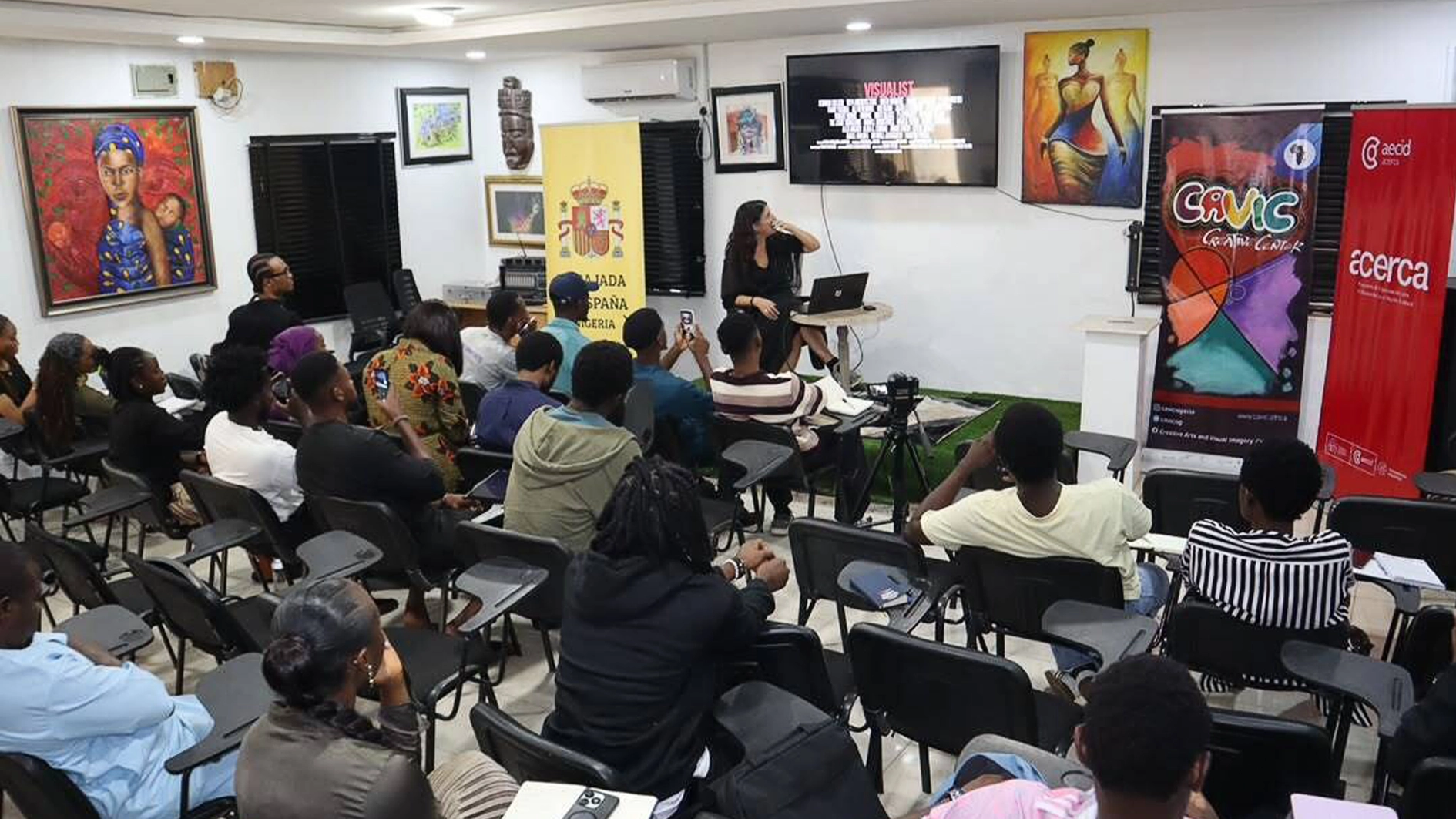
The growing convergence of art and technology is opening new possibilities for Nigeria’s creative sector, as artists, software engineers and other technology practitioners explored ways of combining their skills at a pre-festival workshop organised by the Creative Art and Visual Imagery Centre (CAVIC) in Abuja.
The four-day workshop, held at the CAVIC Centre, Wuse, brought together participants from different creative and technological backgrounds to explore how technology could enhance artistic expression, generate new ideas and create opportunities for collaboration.
The workshop is part of activities preceding the CAVIC Festival of Creativity and Technology, scheduled to be held from November 5 to 7 in Abuja.
Speaking at the workshop, Convener of the CAVIC Festival, Philip Agbese Jnr, said the initiative was conceived from a desire to challenge the longstanding separation between the arts and technology in Africa.
He recalled that when discussions around the concept began about five years ago, the organisers questioned why African societies continued to treat art and technology as competing priorities, particularly in funding, innovation and economic development.
“At CAVIC, when we started having these conversations, we didn’t have a blueprint. We had a conviction,” Agbese said.
According to him, the workshop demonstrated that artists and technology practitioners could develop ideas and projects that neither group might achieve independently.
“We saw a scenario where people came from different backgrounds and people who were artists, creative people, and people who were software engineers and techies and they had no obvious reason to be together in the same room.
“But they came together, started having great conversations that wouldn’t have happened elsewhere, and out of that started building ideas and building stuff that they couldn’t have done alone.”
Agbese said the experience represented more than a training exercise, describing it as evidence that a new creative ecosystem was beginning to emerge.
He disclosed that his ambition was for the CAVIC Festival of Creativity and Technology to become an event that creatives and global partners deliberately plan their calendars around.
“I want the CAVIC Festival of Creativity and Technology to stop being something people discover and start being something people plan their year around,” he said.
He also called for greater involvement from banks, corporations, international festivals and other organisations that recognise culture and technology as drivers of future development.
Speaking on the collaboration, Dr Lanre Phillips, business consultant and resource person, said the workshop had exposed him to a model of creative collaboration he had not previously encountered in Nigeria or Africa.
“I’ve been very impressed with the situation. I appreciate the opportunity and I think it can get better and it will get better,” Phillips said.
He added that increased recognition could lead to more partners, participants and collaborations capable of producing projects beyond the festival.
Also speaking, David Ugochukwu, creative technologist and resource person, said Nigeria possessed enormous talent across both the creative and technology sectors, making collaboration between the two fields increasingly important.
Eva Barta Martin, Cultural Attaché of the Spanish Embassy, said the workshop demonstrated the value of bringing creative practitioners and technology experts together.
She noted that the exchange between both fields could create new possibilities for the creative economy, while encouraging further partnerships around innovation and culture.
“Arts, it’s an amazing thing in Nigeria. Technology is coming, but it’s coming all over the world. It’s here already and we have to interact and find ways of creating these synergies that I think are the future,” she said.
Participants also expressed enthusiasm about the possibilities opened by the workshop.
Titilayo Olode, a multidisciplinary artist, and Kolawole Falade, a spoken-word artist and theatre practitioner, said they discovered the programme through Instagram and were fascinated by how technology could be integrated into artistic practice.
They said the knowledge gained would encourage them to explore technological tools to improve their creative output.
For CAVIC, the workshop appears to have offered a glimpse of a creative ecosystem where the boundaries between the artist and the technologist are becoming less rigid and where collaboration may prove as important as individual talent.

