
 Get Guardian on Google
Men suspected of being gay in Nigeria have faced death sentences, mob attacks and public humiliation, with reported incidents in Bauchi, Abuja, Warri and Ilorin raising concerns about violence, discrimination and access to justice.
In July 2022, a Sharia court in Ningi, Bauchi State, sentenced three men – Abdullahi Beti, 30; Kamilu Ya’u, 20; and Malam Haruna, 70 – to death by stoning over allegations relating to homosexuality.
In early 2014, men suspected of being gay faced arrests and prosecutions in Bauchi amid a crackdown involving Hisbah personnel and local communities. That February, a mob attacked men in Abuja’s Gishiri neighbourhood, beating them with clubs and whips. The New York Times also reported allegations of police assaults on some victims.
In March 2014, five men in Warri, Delta State, were stripped, whipped and paraded publicly after being targeted over their suspected sexual relationships, according to Human Rights First.
Human rights advocates have warned that criminalisation and social stigma can expose people suspected of being gay to violence, blackmail and discrimination while discouraging victims from seeking police protection.
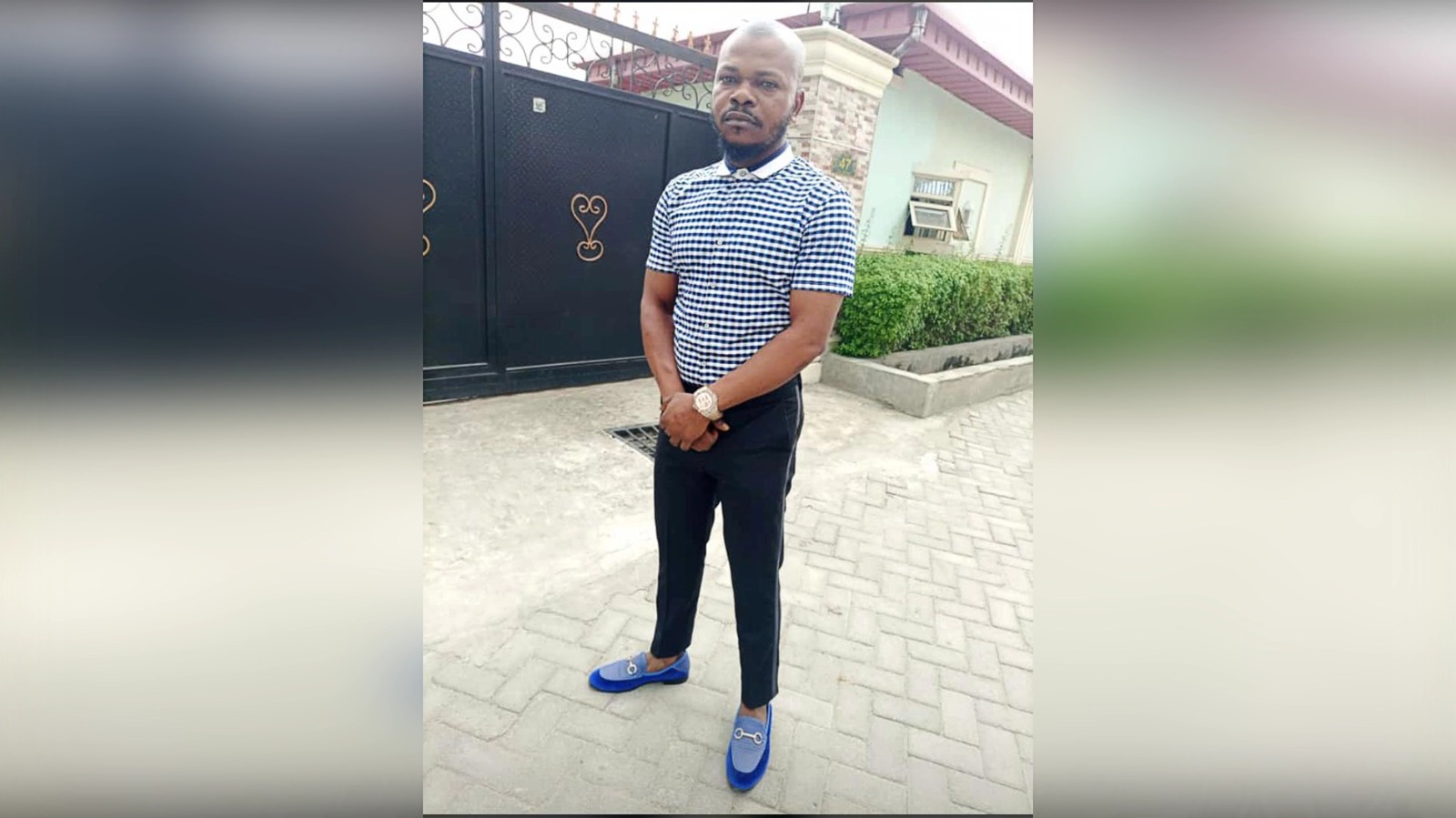
For Ayodele E. Michael the issue became personal after his cousin, Adeola Falabita, was killed by a mob on May 5, 2019, in Ilorin, Kwara State, over allegations that he had been caught with another man.

Michael said Adeola, whom he described as a brilliant student who won several prizes, was killed because he was suspected of being gay. The incident left him shocked and angry and strengthened his resolve to fight discrimination.
“I was really stunned and seriously angered because he was killed simply because he was gay,” Michael said.
“I decided from that moment to add gay rights as part of the injustice I fight for in society.”
A personal loss that changed his outlook
Michael said his opposition to injustice began in childhood. His mother often recalled how he defended children who had been cheated, while his parents believed he would become a lawyer because of his strong sense of fairness.
“I don’t like any form of injustice right from my childhood,” he said. “What I detest is simply cheating.”
As an undergraduate, he said he was known as a freedom fighter among his peers. He also served as a youth leader, connecting young people with influential people who could help them pursue their ambitions.
Although he was aware of student debates about same-sex relationships, Michael said he paid little attention to the issue until Adeola’s death.
According to him, his cousin lived in Ganmo, Ilorin, and was mobbed and killed over allegations that he had been caught with another man. The incident transformed Michael’s general opposition to injustice into a commitment to defend people targeted because of their actual or perceived sexual orientation.
Threats and forced displacement
Michael said his advocacy exposed him to repeated threats and mob attacks, forcing him to flee and hide in different locations.
He stated that people searched for him and offered money for information about his whereabouts. Fearing he could be found and killed, he said he avoided staying in one place for too long.
The situation also separated him from his family. Michael said his relatives went for months without hearing from him because they did not know whether he was alive. When they eventually discovered he had survived, he said, they were surprised and relieved.
He maintained that the danger had not passed and that he continued to fear being found by those seeking to harm him.
He said: “They accused me of encouraging homosexuality in society, and they are after my life. They believed that unless I am eliminated, the practice will not reduce.
“They accused me of introducing and promoting the practice in society simply because I have been speaking out against injustice. I am constantly moving from place to place, unable to properly take care of my family, and many people do not know my whereabouts.
“All this is happening because I chose to stand up against injustice and defend people I believe are being unfairly treated.”
A wider question of human dignity
Human Rights Watch’s 2016 report, “Tell Me Where I Can Be Safe”: The Impact of Nigeria’s Same Sex Marriage (Prohibition) Act, documented allegations of mob violence, extortion, arbitrary detention and other abuses affecting lesbian, gay, bisexual and transgender people in Nigeria. It also highlighted how fear of arrest and social stigma could discourage victims from reporting attacks.
Michael’s account echoes these broader concerns. Allegations about a person’s sexual orientation do not justify assault or killing. Suspected offences should be addressed through lawful procedures, and threats or violence should be investigated regardless of the victim’s identity.
His experience highlights the need to protect people from mob violence and intimidation. Community leaders, religious institutions and public officials also have a role in challenging unverified accusations, discouraging violence and ensuring that disagreements do not become excuses for attacks.
For Michael, Adeola’s death strengthened his determination to defend people suspected of being gay, despite the threats, attacks, repeated displacement and prolonged separation from his family that he says he has endured.
His testimony is ultimately a plea for a society in which allegations do not become death sentences, people can seek protection without fear, and standing up for another person’s dignity does not expose one’s own life to danger.