
 Get Guardian on Google
In commemoration of this year’s International Day to End Impunity for Crimes Against Journalists, Commissioner for Political Affairs, Peace and Security of the African Union Commission, Bankole Adeoye, President of the Federation of African Journalists (FAJ), Omar Faruk Osman, and others have called for mechanisms for the safety of journalists.
In a joint statement, the organisations, noted, “we stand in full solidarity with journalists and other media workers across Africa. We honour those who have been killed, injured, detained, threatened or forced into exile for their commitment to informing the public by upholding the principles of journalism.”
Saying the victims’ families and colleagues are remembered today, they added, “we reaffirm that attacks on journalists are attacks on the fundamental human rights of all peoples of Africa, especially, the right to freedom of expression and access to information.”
Themed, ‘Threats evolve. Impunity endures,’ they said attention to how new technologies and evolving weapons are changing the risks journalists face, particularly, in conflict zones, while those responsible for crimes against them too often continue to evade accountability and justice.
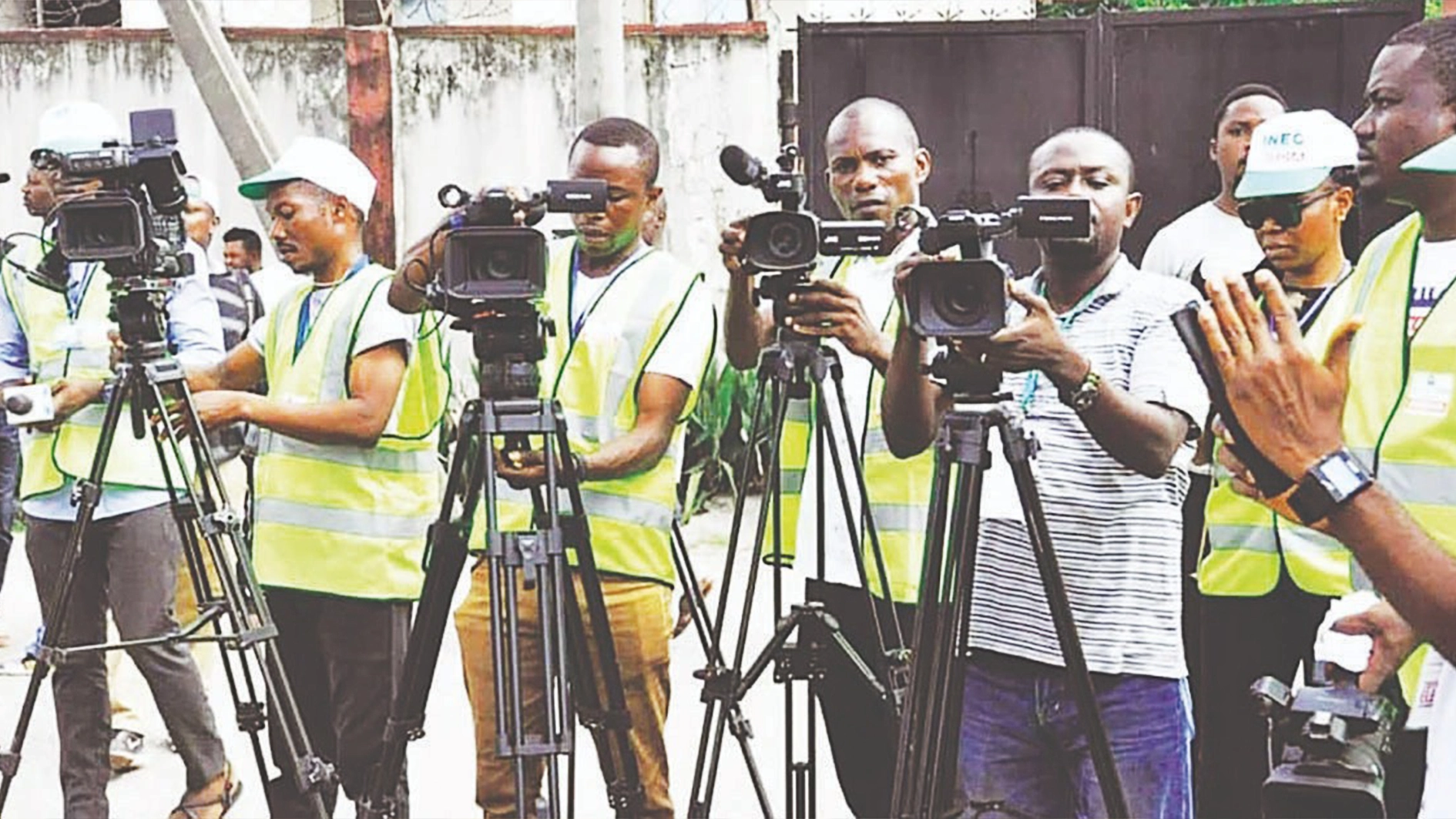
Across Africa and year in year out, they observed journalists face persistent threats, including killings, physical attacks, arbitrary arrest and detention, enforced disappearance, intimidation, legal harassment and digital abuse.
To the organisations, “female journalists are particularly exposed to gender-based threats, harassment and online violence. Journalists reporting from conflict zones, covering elections or investigating corruption and human rights violations often work under severe pressure. When these crimes go unpunished, the perpetrators are emboldened, public-interest reporting is silenced, and communities are denied information they need to participate in public life and exercise their democratic rights.”

The African Union Commission and the Federation of African Journalists (FAJ) recognise the essential contribution of independent media to peace, democracy, accountability and the people-centred development enshrined in Agenda 2063.
Speaking further, Adeoye and Osman said the African Charter on Human and Peoples’ Rights protects freedom of expression and access to information.
The African Union Commission’s Department of Political Affairs, Peace and Security and the AU Peace and Security Council have consistently underscored the importance of media freedom, the safety of journalists and information integrity. They have called for stronger protection of journalists’ rights and for Member States to ensure journalists’ safety, investigate attacks, bring those responsible to justice, punish perpetrators and provide effective remedies to victims.
“This day, we call on African Union Member States to meet, or continue to meet, their obligations under African and international human rights law and to take concrete steps to prevent attacks and bring an end to impunity.
“We also urge governments to establish or strengthen national mechanisms for the safety of journalists, ensure that law enforcement agencies understand and respect the role of journalists, and protect media workers covering protests, elections, emergencies and armed conflict. Laws must not be used to intimidate journalists, obstruct legitimate reporting or curtail the right to responsible freedom of expression. Government must also take effective measures to prevent and address digital threats, including surveillance, harassment and technology-facilitated gender-based violence, while protecting human rights and freedom of expression.”
In conclusion, they called for strengthened cooperation among public authorities, regional and continental institutions, news media organisations, journalists’ unions and civil society. Prevention, protection and accountability must guide this work. “Journalists and their representative organisations must also be meaningfully involved in shaping and monitoring measures intended to keep them safe, including peer review to promote the responsible exercise of the right to freedom of expression.”
According to the Director-General of UNESCO, Khaled El-Enany,global impunity for journalist killings has risen for the first time in more than a decade, while the growing use of drones is an emerging threat for reporters in conflict zones, according to the latest report from UN cultural organisation UNESCO.
“Journalists are increasingly paying with their lives for reporting from the frontlines of war and far too often those responsible for their killings are not held accountable,” said Director-General, Khaled El-Enany.
A confirmed total of 189 journalists and other media workers lost their lives in 2024-2025, or 20 per cent more than during the previous biennium and the highest number since 2014-2015.
More than two thirds, 127, were killed in conflict zones, accounting for 67 per cent of the death toll.
The findings come in the Director-General’s Report on the Safety of Journalists and the Danger of Impunity, which is published every two years to mark the International Day to End Impunity for Crimes against Journalists, observed on November 2.
“Over the past year, at least 34 journalists paid the ultimate price. Six of every seven such killings go unpunished. In conflict settings, the rate of impunity is close to 100 per cent,” UN Secretary-General, António Guterres, said in his message for the Day.
“This is a heinous affront to the victims and their loved ones, as well as all of us who depend on journalists to remain informed and engaged.”
Killings were recorded across all regions of the world during the 2024-2025 biennium, representing “a global scourge”, the report said.
The highest number of verified cases were in the Arab States (97) followed by Latin American and the Caribbean (37), Asia-Pacific (34), Central and Eastern Europe (14), Africa (6) and Western Europe and North America (1).