
 Get Guardian on Google
Rising education costs and the growing pressure on low-income households have underscored the need for stronger private-sector participation in supporting public schools, with insurance operators increasingly being challenged to demonstrate their social value beyond risk protection and claims payment.
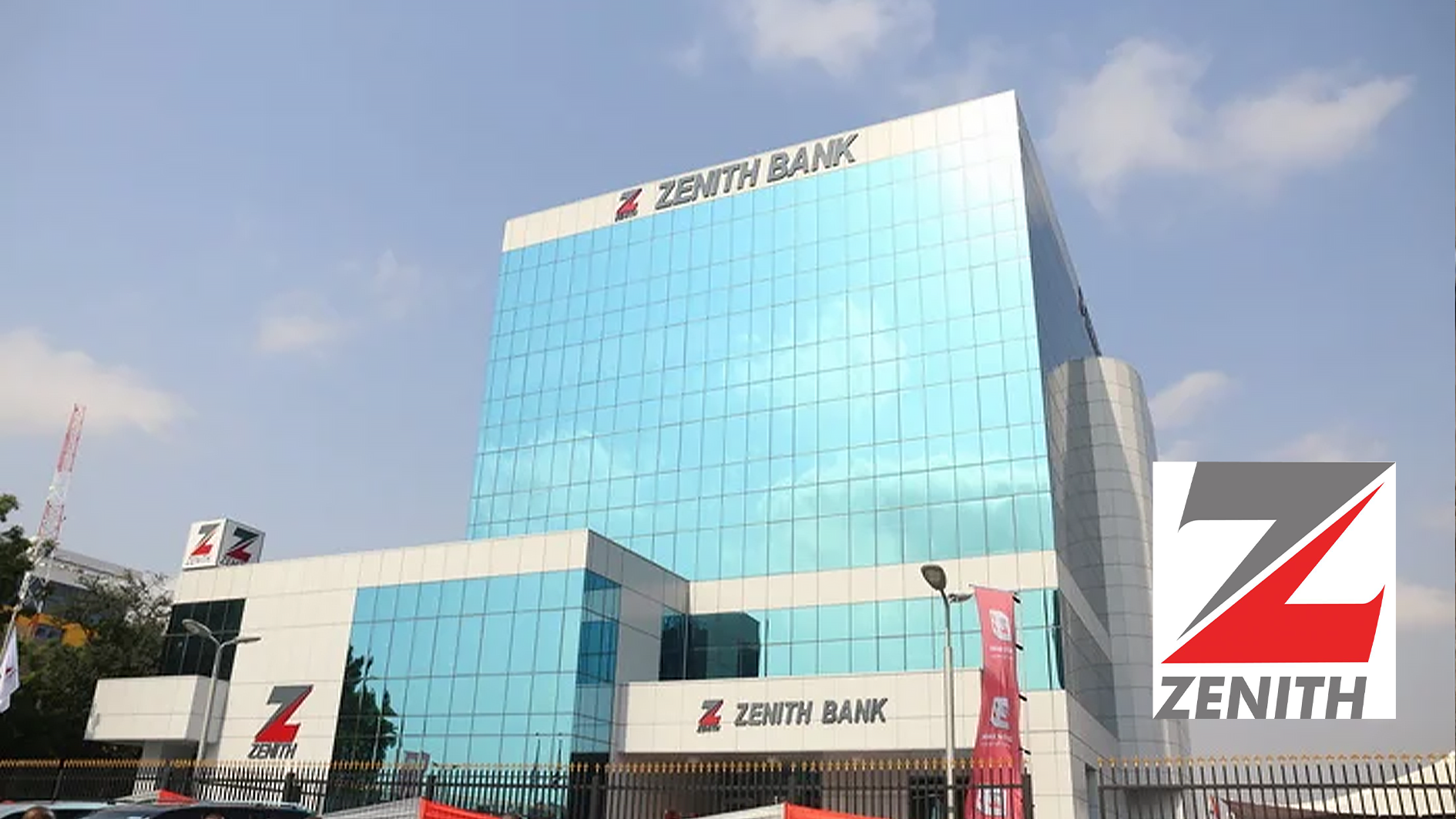
Against this backdrop, Zenith General Insurance has donated school materials, others to pupils in six Lagos schools, under its back-to-school initiative, aimed at easing the cost of basic learning materials for families.
The intervention highlighted the potential role of corporate social investment in addressing gaps in public education, particularly among pupils whose access to essential school materials is constrained by household financial difficulties.
Speaking during the presentation at Alimosho Junior Grammar School, Lagos, the insurer’s General Manager, Dolapo Olatayo Talabi, urged students to embrace preparation, perseverance and discipline as foundations for academic and personal success.
On the theme: ‘Prepared for Success’, Talabi said pupils’ backgrounds and school locations should not determine the limits of their ambitions, urging them to take their education seriously and prepare for future opportunities.
The Head of Corporate Communications at Zenith General Insurance, Hashim Okunbor, said the programme was part of the company’s effort to deploy its resources towards addressing practical needs in communities where it operates.

He explained that the initiative was designed to reduce the financial pressure on parents at the beginning of a new academic session and ensure that pupils had access to basic materials needed for classroom activities.
According to him, the beneficiary schools were selected in consultation with the relevant local government school district to extend the intervention to pupils across different communities.
Okunbor said the company’s social investment activities also included a school library project supported in 2024, adding that periodic assessments were conducted to identify community needs where its resources could make a meaningful difference.
Responding on behalf of the beneficiary schools, the Principal of Alimosho Junior Grammar School, Ige Adekunle Mary, described the donation as timely, noting that financial hardship had made it difficult for some parents to provide their children with basic school necessities.
She said the materials would ease some of the burden on families and help reduce disparities among pupils, while calling on more private-sector organisations to support public schools.
Mary also urged greater investment in school infrastructure and extracurricular activities, saying improved learning facilities and wider opportunities were necessary for students’ overall development.
For the insurance industry, the intervention reflects a broader question of how operators can strengthen public confidence in a market where insurance penetration remains low and awareness of the sector’s social and economic value is limited.