
 Get Guardian on Google
The Nigerian Institute of Building (NIOB), Ekiti State Chapter, has called on the Government to make the use of Quick Response (QR) codes compulsory for building projects as part of efforts to tackle quackery, strengthen professional regulation and prevent building collapse.
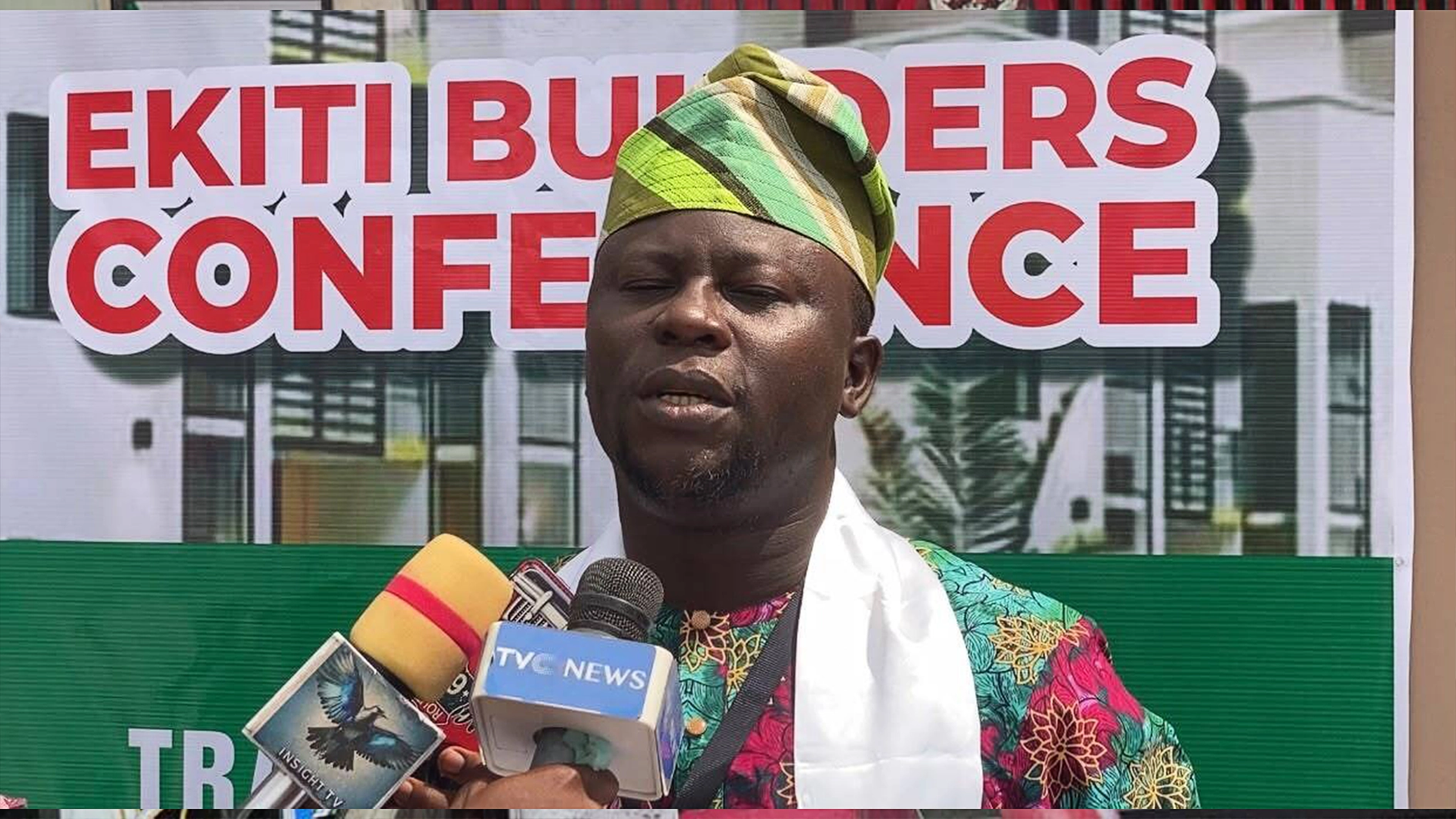
The institute made the call yesterday during its 19th Ekiti Builders’ Conference held at the Builders’ House, Ado-Ekiti.
The conference, themed: “Transforming the Building Profession: Strengthening Advocacy and Policy Influence for Effective Housing Delivery and a Sustainable Built Environment,” brought together professionals and stakeholders to discuss emerging challenges and technological innovations in the construction industry.
Speaking at the event, the Chairman of the NIOB, Ekiti State Chapter, Adebiyi Adeniyi said the proposed QR code system would help monitor construction projects, identify registered professionals and discourage unqualified individuals from engaging in building construction.
He urged the state government to collaborate with the institute and ensure that professional builders were engaged in public construction projects.
Adeniyi explained that the conference was designed to promote modern construction methods and encourage professionals to embrace digital technologies, including Building Information Modelling (BIM), the Internet of Things (IoT) and other digital platforms that could improve construction standards, efficiency and safety.

The chairman also advised young and practising builders to obtain professional registration, update their knowledge and adhere strictly to ethical standards.
He warned against cutting corners and using substandard building materials, stressing that such practices could contribute to building collapse.
He added that regular professional training and participation in conferences would help builders remain relevant in the rapidly evolving construction industry.
The Chairman of the College of Fellows, Builder Timothy Sunday Ojambati, stressed the need for greater public awareness of the importance of engaging registered builders, noting that building collapse often resulted from the activities of unqualified individuals who lacked the necessary technical knowledge and practical experience to handle construction projects.
Ojambati urged the government to strengthen its partnership with the institute and engage professional builders in its construction projects.
In his remark, the Chairman of the Conference Planning Committee, Mr Aladetuyi Adekunle Dele, said the conference theme addressed critical challenges confronting the country, including housing deficits, building collapse, quackery and the urgent need for a technology-driven and sustainable built environment.
He said the institute was also promoting stronger collaboration among built-environment professionals, government institutions and policymakers to improve professional standards, ethical conduct and regulatory compliance.
Delivering his lecture, Professor Olawuyi Babatunde, a Professor of Construction Technology, Materials and Structures, urged builders to move beyond traditional construction practices and embrace digital transformation.
He identified Building Information Modelling, drone technology, digital project management, advanced building materials and industrialised construction as important tools for improving project planning, site monitoring, productivity and quality delivery.
He also supported the adoption of QR codes to monitor construction projects and address the problem of quackery in the industry.