
 Get Guardian on Google
Nigeria has presented its experience in tackling maritime insecurity in the Gulf of Guinea (GoG) with the Deep Blue Project to the International Maritime Organisation (IMO) Council as a model for protecting vital global shipping lanes, improving seafarers’ welfare, strengthening institutional governance and promoting a sustainable maritime industry amid growing security concerns and threats to commercial vessels in high-risk maritime zones.
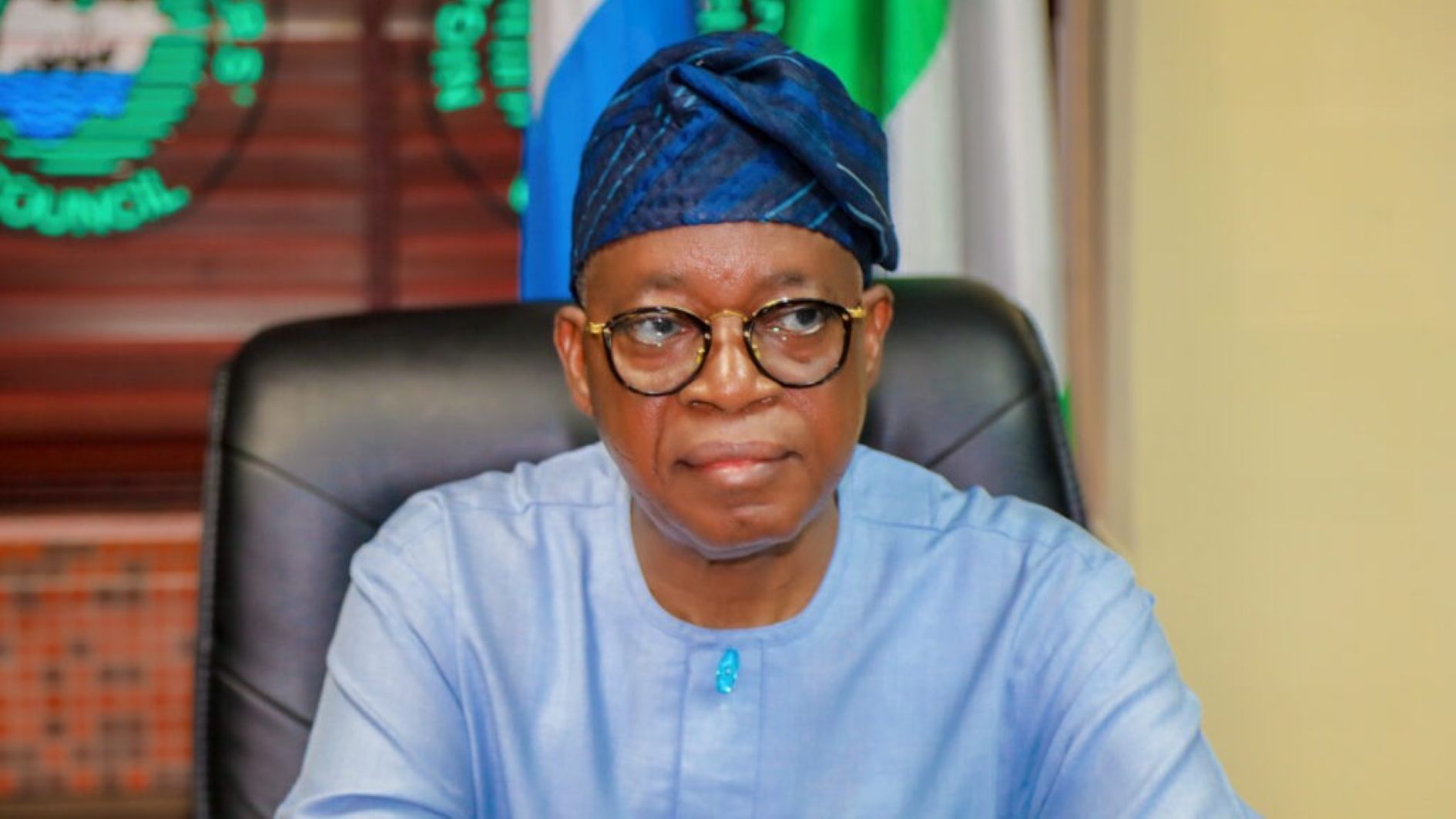
Minister of Marine and Blue Economy, Dr Adegboyega Oyetola, said safeguarding and sustaining international shipping was a major focus at the 138th session of the IMO Council in London, holding from November 2 to 6, 2026.
The minister led a high-level Nigerian delegation to the five-day meeting that brought together member states to deliberate on critical issues shaping international shipping, maritime security and the future of the global maritime industry.
With deliberations under Item 11 of the agenda addressing the protection of vital shipping lanes, Oyetola said, “Nigeria is expected to draw on its experience in combating piracy and maritime crime” in the GoG, using the Deep Blue Project to support stronger international cooperation and coordinated security responses.
In a statement yesterday by the Special Adviser to the Minister, Dr Bolaji Akinola, the minister said Nigeria was contributing meaningfully to solutions to strengthen maritime security, protect seafarers, and promote sustainable shipping.
According to him, Nigeria’s participation, under its Category C membership of the 40-member IMO Council, underscores the country’s commitment to contributing to international maritime policy and advancing the interests of developing maritime nations.

Oyetola said the country’s presence at the meeting was particularly significant as the Council considered measures to protect vital shipping lanes, improve seafarer welfare, strengthen institutional governance and promote a sustainable maritime industry.
He said Nigeria’s progress in improving maritime security demonstrated the importance of sustained collaboration among coastal states, international organisations and maritime stakeholders.
“Our experience in the Gulf of Guinea has shown that maritime insecurity can be addressed through political commitment, effective coordination and cooperation among regional and international partners. Nigeria will continue to support initiatives that safeguard shipping routes and protect seafarers and maritime assets,” he said.
The minister said Nigeria remained committed to working with other maritime nations to promote safe and sustainable international shipping.
Oyetola said Nigeria was backing measures aimed at preventing arbitrary detention and abandonment of seafarers, while promoting their rights, safe repatriation and mental well-being.