 Get Guardian on Google
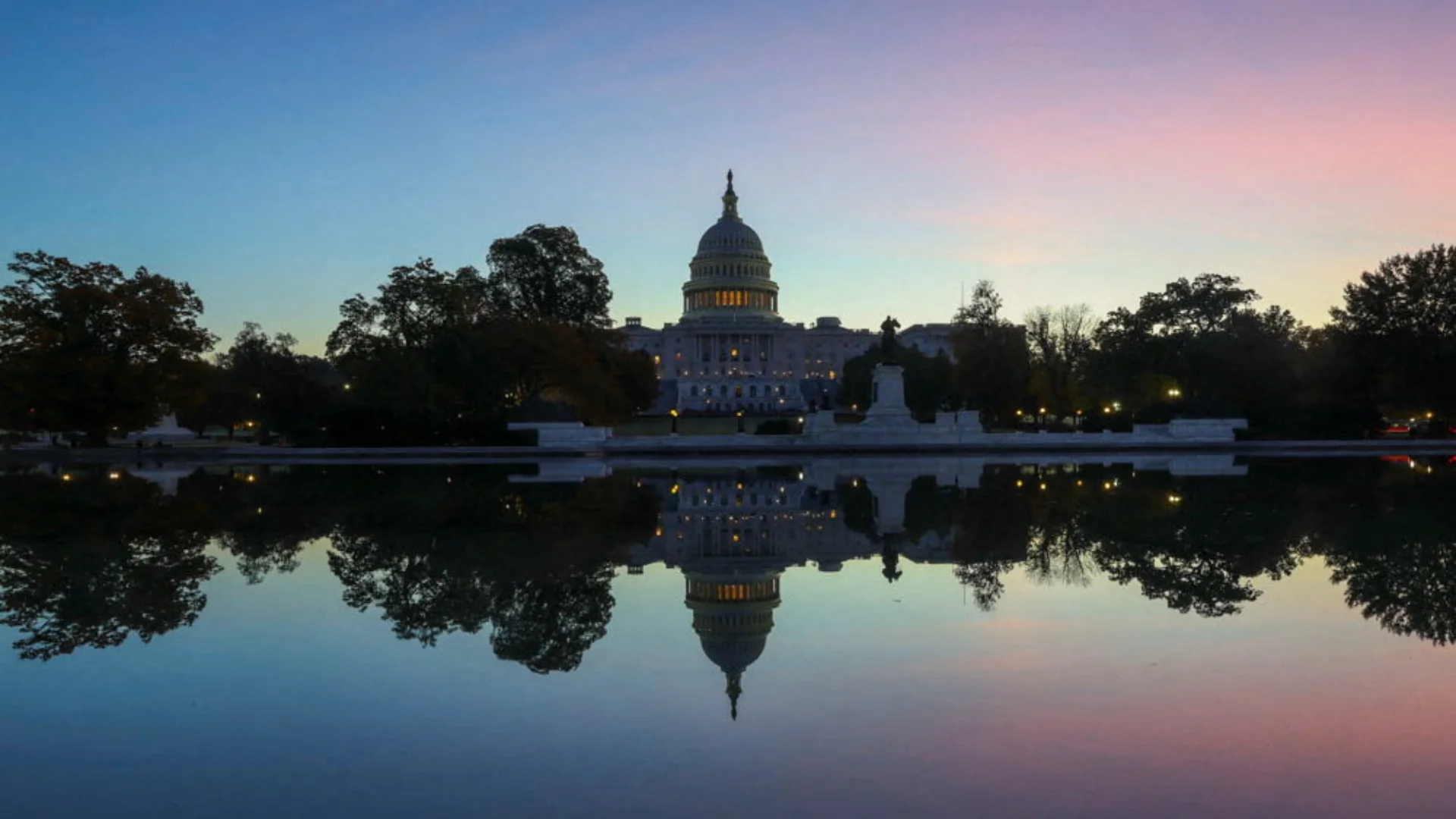
In American politics, midterm elections have long served as an essential constitutional check on executive power, a safeguard the founders designed to keep that power in check. But the 2026 midterms brought a seismic shift, dramatically reshaping power in Washington.
Under President Donald Trump, Republicans lost control of the House of Representatives to Democrats, who won 228 seats — well above the 218 needed for a majority.
The Senate result was even more striking: Democrats captured 54 seats, giving them decisive control. The party flipped at least seven Senate seats in red states and traditional battlegrounds: Kansas — which had not elected a Democratic senator in nearly a century — as well as Iowa, Texas, Ohio, Maine, North Carolina, and South Carolina. In the House, Democrats flipped more than two dozen districts.
While multiple issues influenced the electorate, four major reasons drove this blue wave: the economy, allegations of corruption, the conflict with Iran, and foreign policy, particularly the unconditional support for Israel.
Among these factors, the state of the domestic economy mattered most to Americans.
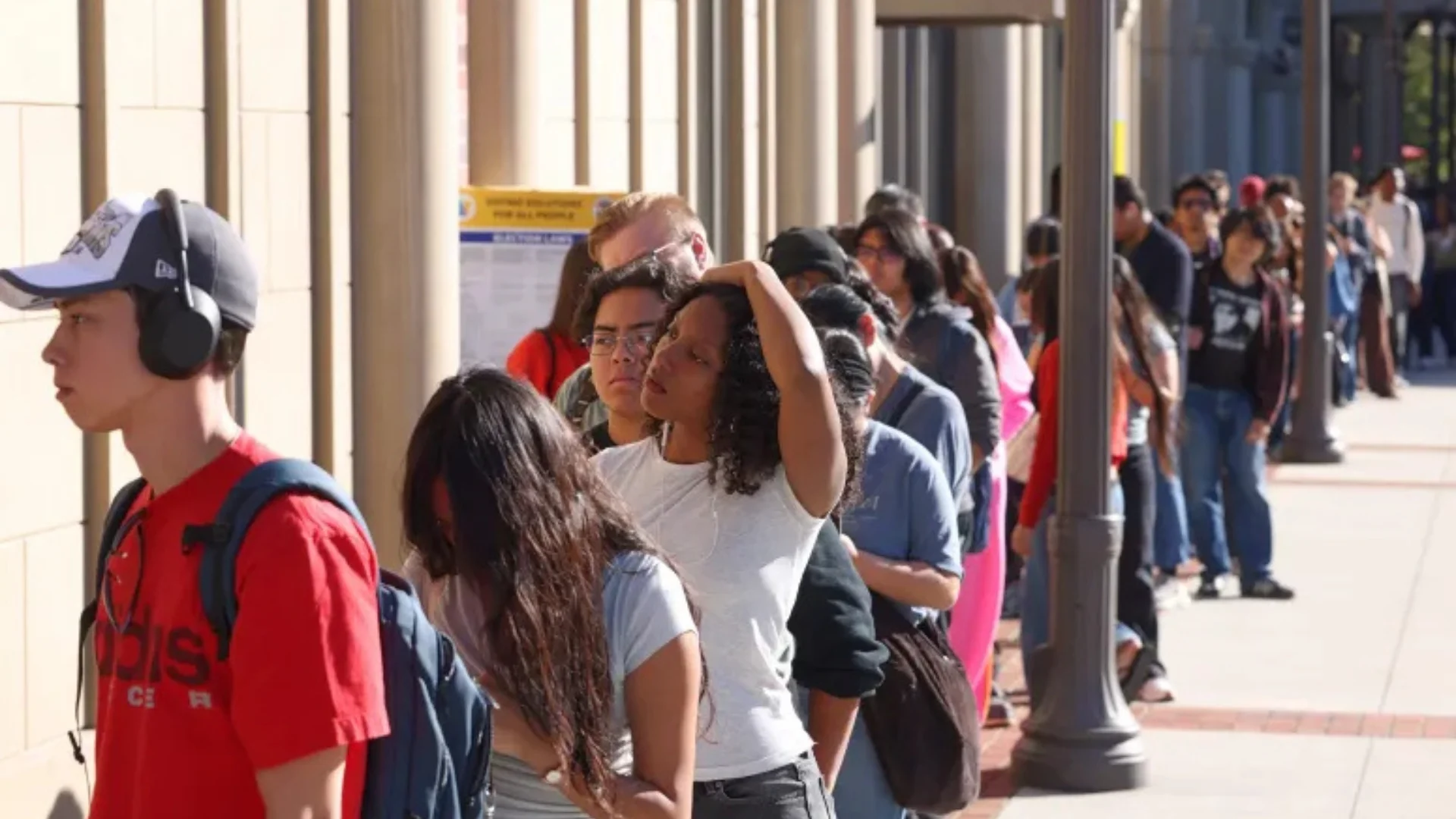
Inflation remains a pressing concern in the United States: the annual rate reached 3.7 percent in the 12 months through September 2026, according to the U.S. Bureau of Labour Statistics.

Several compounding pressures have sustained inflation, particularly rising oil prices, which have increased the costs of gasoline, diesel, and aviation fuel. As a result, many Americans faced higher transportation expenses without a corresponding rise in wages and salaries.
In addition to the ongoing war between Ukraine and Russia, the conflict in Iran became a major driver of higher energy prices. Economic fallout from trade disputes within the global system added further inflationary pressure.
Facing these financial strains, everyday Americans felt compelled to vote for a change in congressional leadership to address the economic challenges affecting their households.
Beyond economic concerns, voters were also deeply troubled by a widespread perception of corruption within the administration. Public concern focused on allegations of market manipulation and insider trading, as well as the financial gains political allies made while ordinary citizens struggled.
In her publication, Pay to Play: Trump’s Record of Corruption, Representative Rosa DeLauro, who represents Connecticut’s Third Congressional District, argued that the country faces unprecedented ethical challenges.
President Trump campaigned on a promise to fight for working and middle-class Americans and lower costs on Day 1. Instead, critics argue, the presidency has been used for personal enrichment.
They pointed to several notable controversies, including reports that the administration received a luxury jet from the Qatari government, valued at hundreds of millions of dollars. The arrangement raised constitutional questions under the Emoluments Clause, alongside reports of substantial personal revenue during his time in office.
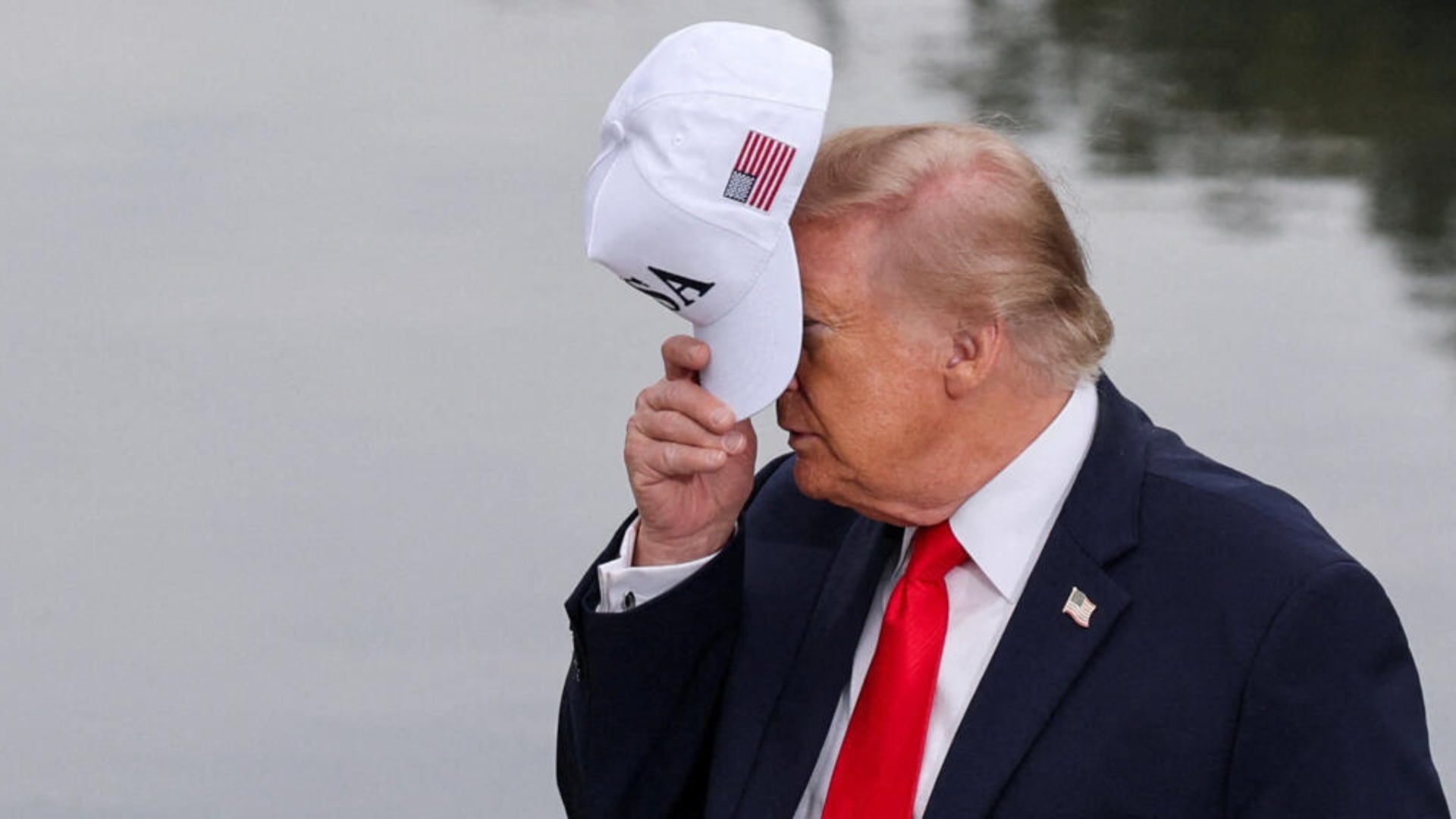
Organisations such as Protect Democracy have likewise warned about executive profiteering, describing it as an outlier in modern presidential politics.
These remain allegations, as President Trump, his family, and his associates have not been convicted of wrongdoing in court. Nevertheless, the perception of impropriety galvanised voters seeking political accountability.
A third major catalyst behind this political realignment is the war with Iran, an event future historians will undoubtedly examine when assessing the Trump 2.0 administration.
The conflict directly drove up domestic inflation as petroleum and fuel prices soared. Much of this economic vulnerability stemmed from the strategic importance of the Strait of Hormuz, through which roughly 20 percent of global oil and petroleum products pass, and from regional hostilities that heavily affected it.
Voters increasingly saw the confrontation as a war of choice launched by Republican leadership, rather than a necessary act of defence, leading them to seek new leadership at the ballot box.
Closely linked to the conflict in Iran is the fourth major factor: a hardline foreign policy marked by unconditional support for Israel. Although backing Israel’s security has long been a cornerstone of U.S. foreign policy, most Americans saw the U.S.-Israeli military action against Iran as an unnecessary entanglement.
Iran is widely regarded as a strategic threat, but making the case for war to the American public proved exceptionally difficult. Many citizens believed the conflict was fought primarily on Israel’s behalf, especially as traditional public support for Israeli policy has shifted among Americans.
Commentators and analysts have also debated the influence of powerful lobbying groups, arguing that unwavering policies have hindered peace efforts, including the two-state solution, and drawn the United States deeper into military engagements in the Middle East.
Although secondary issues — such as immigration policy and a diplomatic posture that was sometimes dismissive of traditional American allies — also played a role, domestic economic strain and inflation remained the decisive factors driving voters toward the Democrats.
The American founders established midterm elections to keep the executive branch accountable to the public will. A divided government can sometimes make it harder for an administration to advance its legislative agenda, but the 2026 elections made one thing clear: when economic pressures mount and foreign entanglements deepen, the American electorate will use its democratic voice to demand a new direction.

Abiodun Ramon Oseni is a Fellow at the Institute of Security Nigeria, a former U.S. police officer, and a U.S. Army veteran. He can be reached at [email protected].