 Get Guardian on Google
All’S Well That Ends Well is one of William Shakespeare’s most popular plays, and it best describes the 2026 Musical Society of Nigeria (MUSON). ‘All’s well that ends well’ is a common English proverb meaning that if the final outcome of a situation is good or successful, any earlier mistakes, stress, or difficulties do not matter anymore, brought together established performers, music students, alumni and other stakeholders in the creative industry. It has also featured 10 major concerts and a symposium.
The 30th edition opened on Sunday, October 25, with a Musical Brunch at the La Scala Hall of the center. The brunch, which started at noon and ended by 3.00pm began the festival ‘s opening day activities before the evening’s theatrical presentation at 6.00pm.
This edition came amid several milestones for the institution including 43 years since the establishment of the MUSON centre, 36 years of its basis school of music and 20 years of its diploma school of music programme sponsored by the the MTN foundation.
The programme reflected MUSON’s longstanding commitment to music education and performance while creating opportunities to examine how emerging technologies are changing the production, teaching and experience of music.
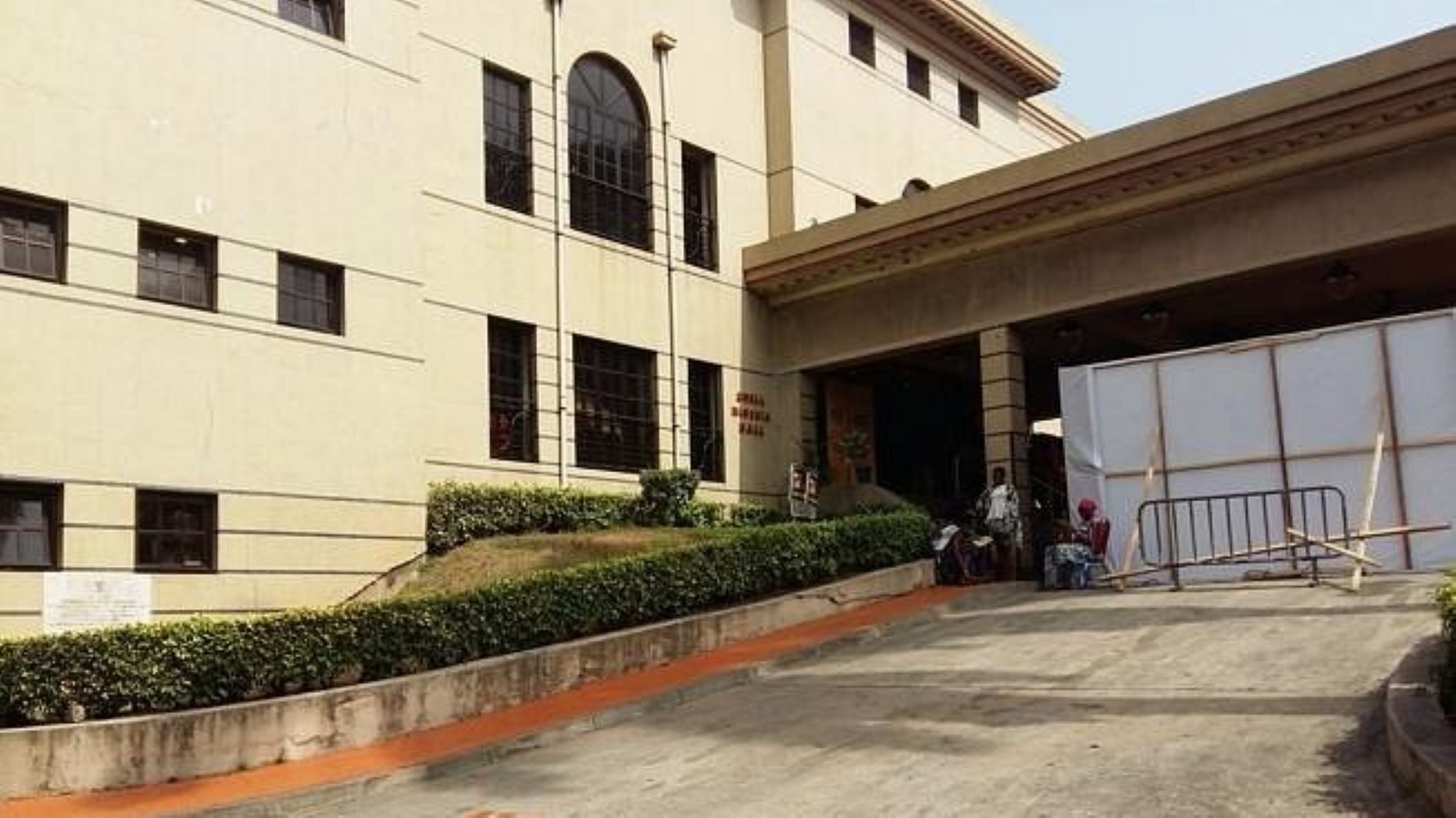
A major highlight was the fourth edition of collabo: Music Meets Technology, which held on November 3 at the Shell Zenith Hall. The project was conceptualised and curated by Sade Doherty.
The symposium examined the growing interaction between musical creativity and technological innovation. The event featured a keynote remark by the Director General of the National Council for Arts and Culture, Obi Asika, who looked at the development of Nigeria’s domestic music economy and the role of innovation in the creative industries.

According to Doherty, chairperson of the 2026 MUSON festival planning committee, previous editions of the symposium had explored artificial intelligence, machine creativity and the implications of AI for music.
This year’s programme considered how automation, artificial intelligence and collaboration are reshaping music creation, performance and audience experience.
Beyond technology, the festival showcased different musical traditions through opera, jazz, classical performances, musical theatre and student productions.
The festival’s emphasis on education remains central to MUSON’s activities. Its school of music provides training in music theory , instrumental performance and singing, equipping students with foundations that can support careers in classical,contemporary and popular music. However, discussions at the briefing also turned to the financial demands of sustaining music education and arts institutions in Nigeria.
MUSON Day, which concided with the institutions anniversary on October 27, featured students solo performances, the Diploma school choir , alumni appearances, the school band and orchestra.
The festival also featured opera performances including The Milkado, an English comic opera, by the composer, Sir Arthur Seymour Sullivan, who is best known for 14 comic opera collaborations with the dramatist W. S. Gilbert, including H.M.S. Pinafore and The Pirates of Penzance.
Directed by Williams Ude and conducted by John Lucien Eclou, the opera blended music and comedy with the cast bringing the characters to life through their acting on stage.
The orchestra was one of the festival’s strongest features. An audience member rated its performance “10 over 10,” praising the musicians’ timing and their ability to harmonize with the singers, saying they worked together ‘to perfection’.
The viewers also described the production as a perfect stage play, praising the costumes as well put together and complementary to the overall presentation.
The festival came alive on Friday, October 30, with a vibrant jazz party held at the Shell Zenith Hall, MUSON Centre, Lagos. The event featured a series of jazz performances by students, alumni and professional musicians, celebrating the festival’s theme, “Music Sustained.”
The programme was anchored by Korede Omopeloye, lead pianist and instructor at the MUSON School of Music, who guided the audience through the evening’s performances.
The Ecletus Band followed with an energetic performance, featuring a lead vocalist who delivered more than four jazz songs, earning a warm reception from the audience.
Next was Pheebian, popularly known as the “Sax Queen,” who led a band of young male musicians. She opened her set with an introduction before performing “Eyo.”
Pheebian revealed that she had been playing the saxophone for more than 20 years and graduated from the MUSON School of Music in 2009.
As a MUSON alumna, she demonstrated the depth of experience acquired over the years, bringing both technical skill and confidence to her performance. She rounded off her set with Fela Kuti’s popular song, “Palava.”
The evening continued with a performance by Imole Ayo, a professional saxophonist, music tutor and lecturer at the MUSON School of Music.
Known for his advocacy for music literacy, Ayo has consistently encouraged musicians to complement their natural talents with a strong understanding of music theory.
He delivered an engaging set, opening with an introduction before performing a Beyoncé song alongside a Fela Kuti composition. He performed four major jazz pieces, bringing a lively energy to the hall before rounding off his set with an upbeat “Dance, Dance, Dance” finale.
Caption: Bunmi Falomo (Chief Administrative Officer), left; Sade Doherty (Member, BOT & Chair, Festival Planning Committee), Chief Femi Adeniyi-Williams (Vice Chairman, MUSON BOT), Louis Mbanefo (SAN, Chairman, MUSON BOT), Kitoye Ibare-Akinsan (Member, BOT), and Gbola Shobande (Member, BOT).