 Get Guardian on Google
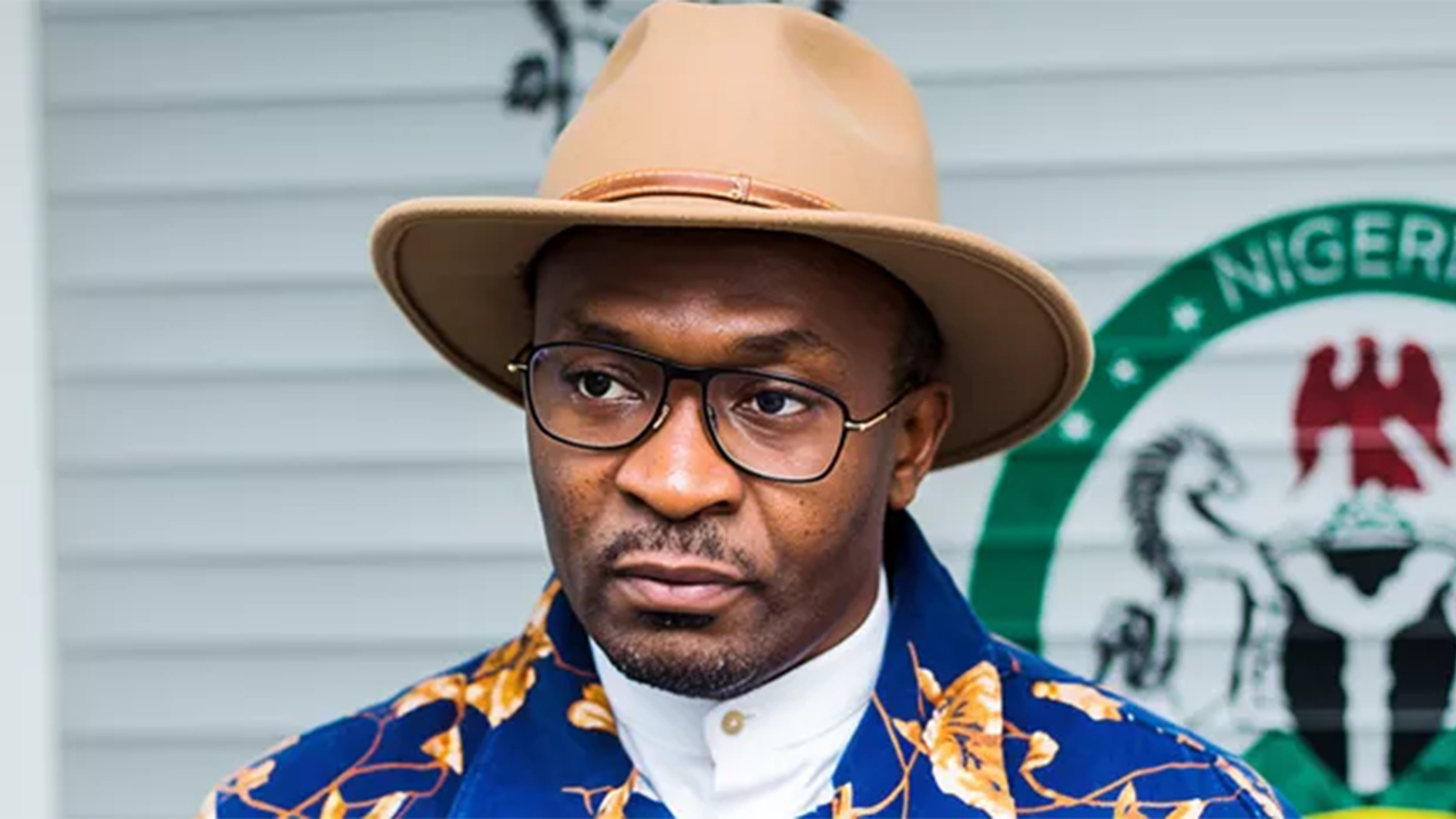
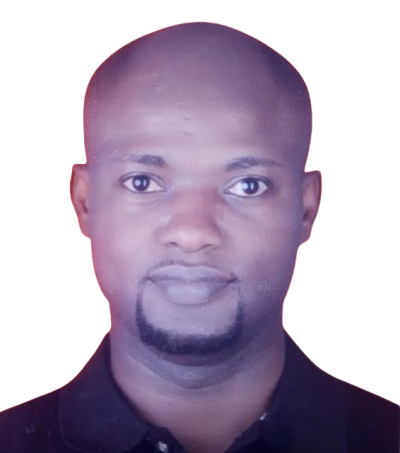
The Human Rights Writers Association of Nigeria (HURIWA) has demanded the immediate and unconditional release of Emenike Okorie, a constituent of the Deputy Speaker of the House of Representatives, Benjamin Kalu, who is reportedly languishing at the Kuje Correctional Centre, Abuja.
HURIWA also demanded N100 million compensation over what it describes as his alleged arbitrary arrest and unlawful detention, insisting that the Nigerian state must take responsibility for any abuse of citizens’ fundamental rights.
The association says it is particularly disturbed that a Nigerian citizen who reportedly questioned his elected representative over the management of public funds should allegedly end up behind bars.
HURIWA alleged that Okorie’s ordeal followed questions he raised about billions of naira reportedly received by Benjamin Kalu from the Bola Ahmed Tinubu-led Federal Government in his capacity as a member of the House of Representatives.
It said: “When did demanding accountability from an elected representative become a criminal offence in Nigeria? Why should a constituent who seeks explanations about public resources allegedly find himself languishing in prison?”
A statement by its National Coordinator, Emmanuel Onwubiko, emphasised that democracy cannot survive where elected officials allegedly deploy their influence to silence critics, intimidate constituents and punish citizens for asking legitimate questions about public funds.

The association specifically appealed to Benjamin Kalu, as Deputy Speaker of the House of Representatives, to intervene immediately and ensure Okorie’s unconditional release.
Onwubiko warned that public office is not a licence for intimidation or political persecution. Nigerians elect representatives to serve them, not to turn public institutions into instruments of personal retaliation against those who demand accountability.
The association expresses additional concern over Okorie’s physical condition, particularly as the young man uses a walking stick. HURIWA said his reported incarceration raises troubling questions about the treatment of vulnerable citizens within the criminal justice system.
The association warns that elected officials who fail to distinguish between public office and personal authority risk deepening public distrust in democratic institutions.