
 Get Guardian on Google
• African, ECOWAS courts seek stronger cooperation, enforcement of judgments
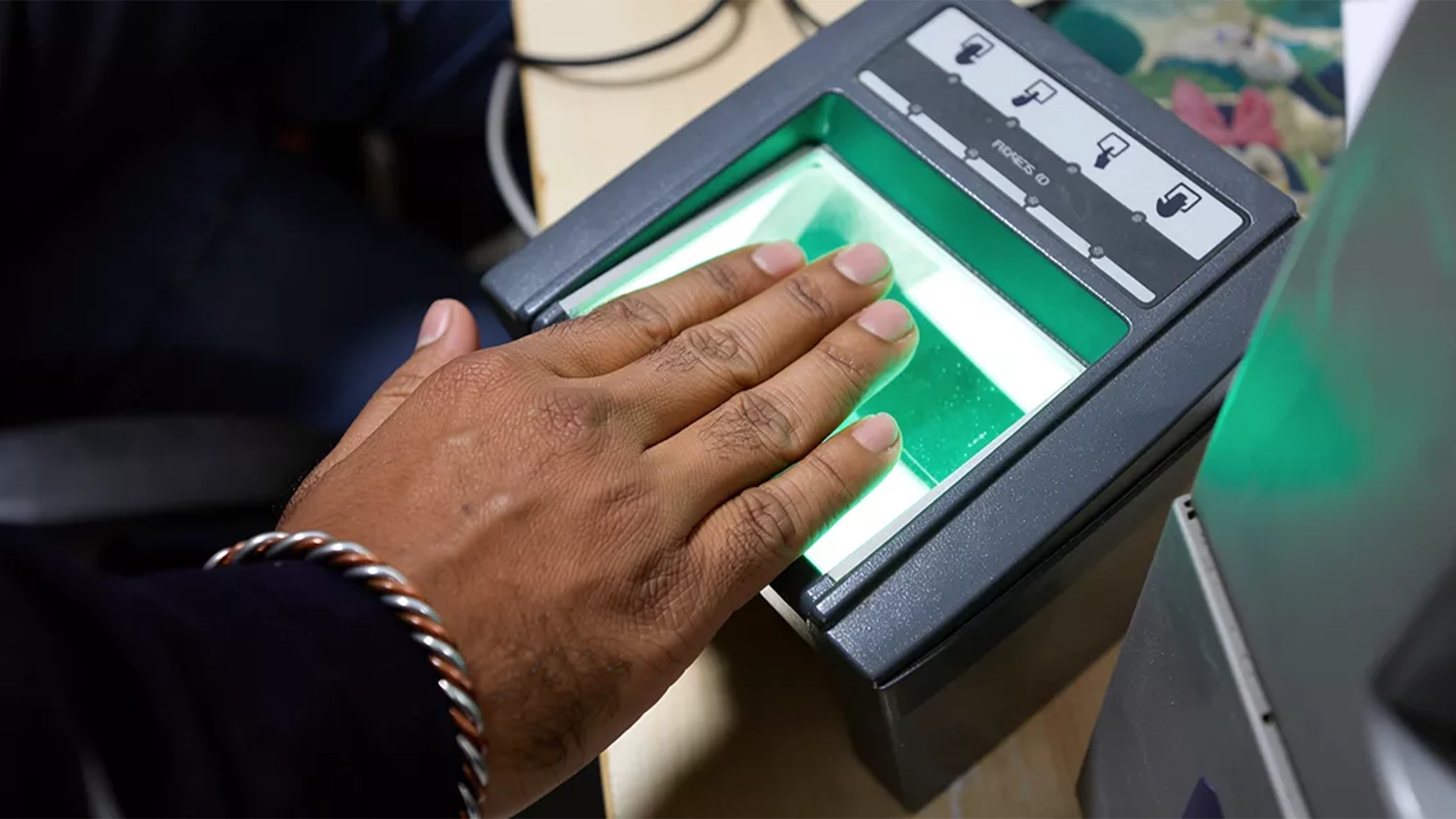
ECOWAS member States have agreed to accept the bloc’s National Biometric Identity Card (ENBIC) at all official border crossing points from January 1, 2027, in a move aimed at easing movement across West Africa and strengthening the implementation of the regional free movement protocol.
The commitment is contained in the Freetown Declaration adopted at the 10th Annual Meeting of ECOWAS Heads of Immigration, held in Sierra Leone from November 3 to 4.
Under the declaration, a valid biometric identity card issued by any ECOWAS member state is to be recognised as sufficient proof of identity and Community citizenship at official border posts, whether or not the issuing country has commenced its own national rollout.
The decision places fresh responsibility on immigration authorities to establish the administrative and technical arrangements required to recognise and verify cards issued by other member states.
For Nigeria, the commitment comes as the Nigeria Immigration Service (NIS) continues work on its national biometric identity card system and the technology required to support border verification.

The Comptroller-General of the NIS, Kemi Nandap, told the Freetown meeting that Nigeria was implementing the ENBIC through its locally developed Border Control and Immigration Management System (BCIMS).
She said mobile verification devices connected to the system were being deployed at border crossing points, while plans were also underway to extend issuance of the card to Nigerians in the diaspora.
The Heads of Immigration further asked the ECOWAS Commission to finalise common technical specifications and a regional verification mechanism, to operationalise an existing monitoring and evaluation committee, and to report annually on the rollout and acceptance of the card.
They also called for the mobilisation of resources and wider public awareness, particularly among citizens, traders and communities living around border areas.
In a goodwill message, Chief of Mission of the International Organisation for Migration (IOM) in Nigeria and ECOWAS, Sharon Dimanche, said regional integration should be measured by the experience of travellers at border crossing points.
She noted that recognition of travel documents, harmonised procedures and efficient border services could facilitate legitimate movement, protect livelihoods and strengthen border security.
The declaration also calls for the card to remain affordable and accessible, with issuance linked to civil registration.
The Heads of Immigration agreed to review implementation of the commitments at subsequent meetings.
The ECOWAS free movement framework provides for the movement of citizens of member states within the region, but the effectiveness of the arrangement depends on how national authorities implement and recognise the agreed travel documents and procedures.
This is as the Community Court of Justice of the Economic Community of West African States (ECOWAS), alongside two other African regional courts, has renewed efforts to address the poor implementation of judicial decisions, identified as a major challenge to the effectiveness of justice institutions across the continent.
The courts made the commitment at their third Tripartite Judicial Dialogue, held in Arusha, Tanzania, from November 9 to 10, where judges, registry officials, and representatives of partner institutions examined ways to improve cooperation and strengthen mechanisms to monitor compliance with their decisions.
The meeting brought together the ECOWAS Court, the African Court on Human and Peoples’ Rights and the East African Court of Justice under the theme, “Strengthening Institutional Cooperation, Implementation of Decisions and the Future of AJUDATA in Africa.”
The discussions built on the outcome of the second dialogue, held in Arusha in September 2024, which identified inadequate human, technical and financial resources, low levels of implementation of judicial decisions and gaps in institutional coordination as major obstacles facing the three institutions.