 Get Guardian on Google
Pottery, a weathered canoe and the experiences of Chibok mothers gave ART X Lagos visitors different ways to engage with Nigeria’s past and present. The fair’s 11th edition also examined the work of sustaining artistic communities and preparing younger generations to participate in them.
Ladi Kwali’s pottery and the traditions of women potters formed a central exhibition at the 11th edition of ART X Lagos, which closed on November 8 after four days of exhibitions, performances, screenings and conversations at the Federal Palace Resort, Lagos.
Held under the theme “A New Chapter, A New Decade”, the fair brought together 15 galleries alongside artists, filmmakers, musicians and educators. Its programme examined how cultural knowledge is preserved, how difficult histories are represented and how artists build spaces for others to work.
The exhibition Ladi Kwali: Beyond the Vessel, conceived and developed by curator Dr Jareh Das, placed the potter’s work alongside the women and traditions that shaped her practice.
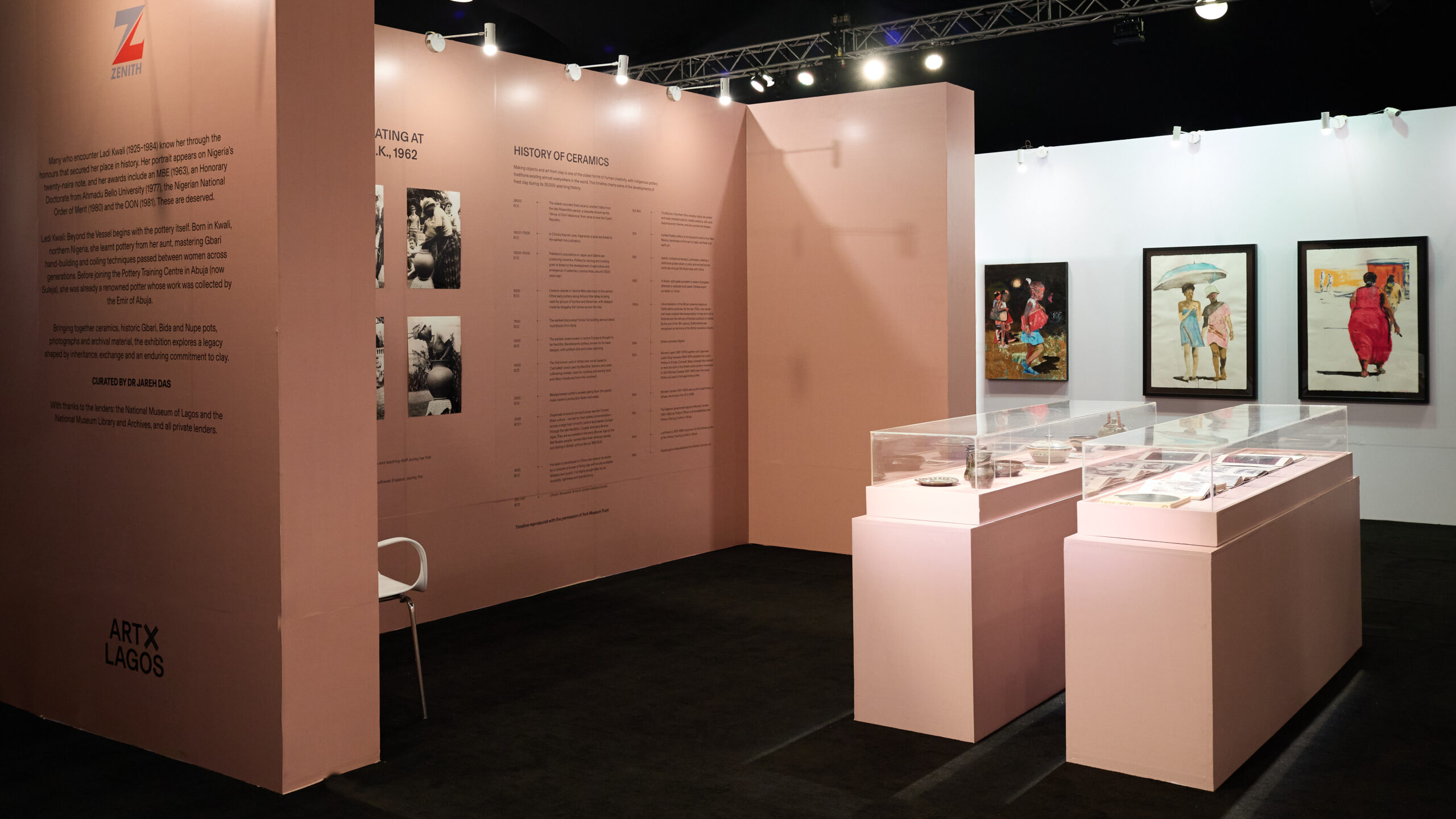
Through ceramics, archival materials and works by different generations of potters, the exhibition offered a fuller account of Ladi Kwali beyond her familiar appearance on Nigeria’s twenty-naira note.
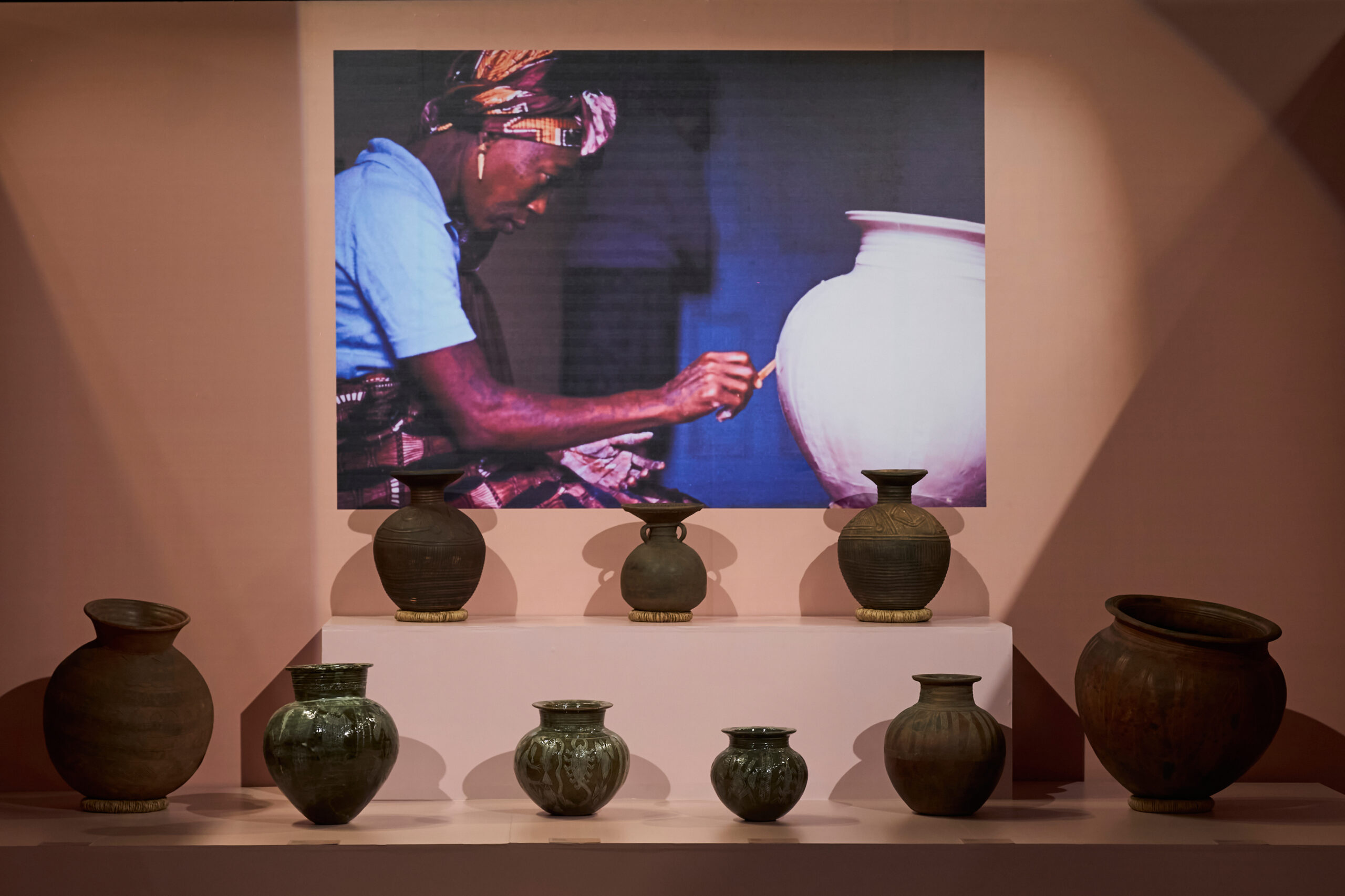
Supported by Zenith Bank, the presentation also informed The Masterclass, which gave 10 emerging artists opportunities to learn from established practitioners. A related ART X Talks session featured a documentary on Kwali, followed by a conversation between Das and ceramic artist Isis Dove-Edwin about her influence, ceramic practice and women’s experiences in the arts.

The attention to teaching extended to the fair’s Schools’ Programme, which organisers said reached more than 750 young Nigerians.
Facilitated by artist and educator Tolulope Ami-Williams, organised with Teach for Nigeria and sponsored by ZTL Liquids Transfer Limited, the programme used clay, storytelling and activities inspired by Kwali’s work to introduce students to artistic expression.
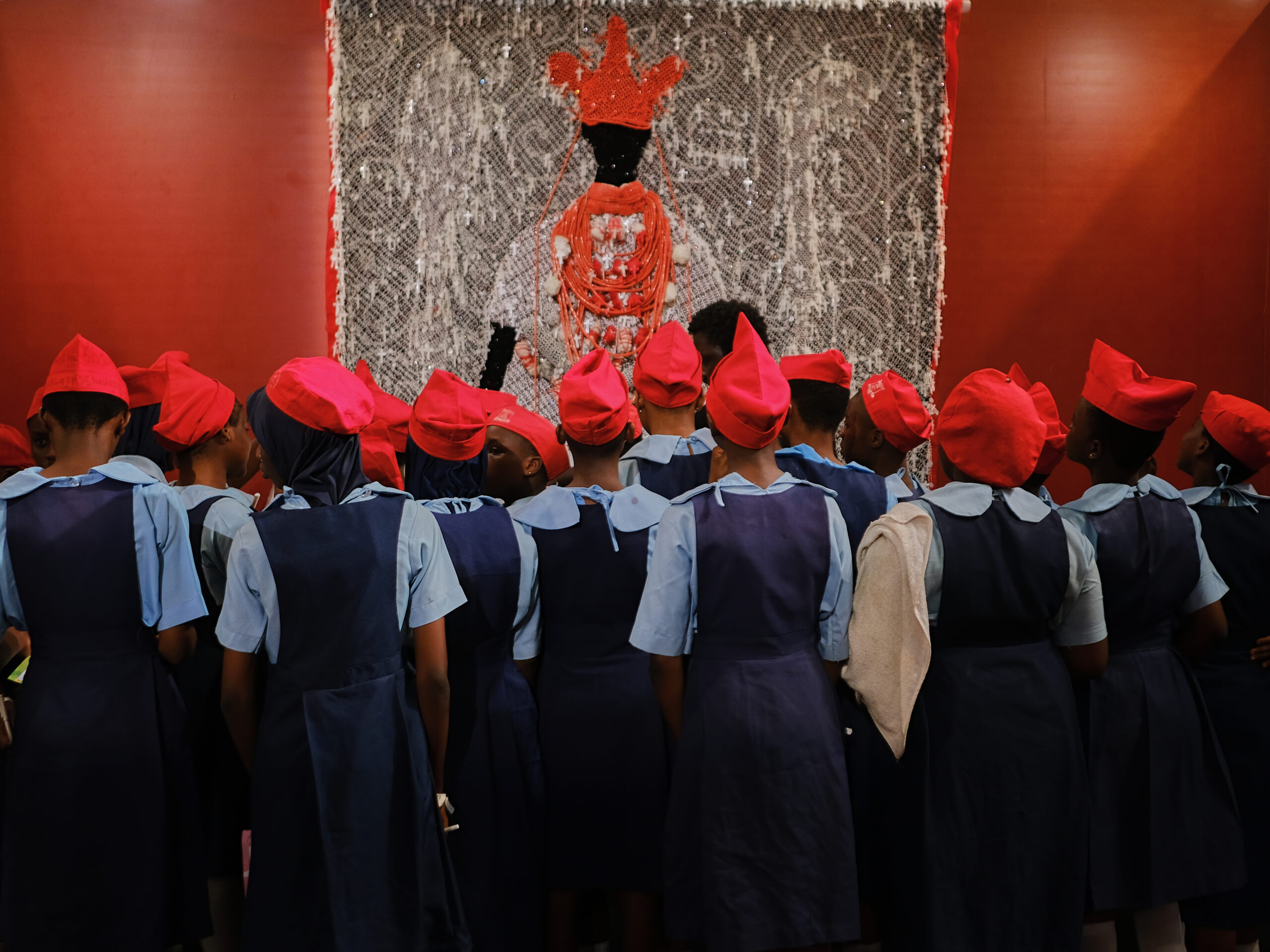
Three students received recognition for their work: Shakirat Ayomide Tijani of Oluwa Memorial Junior Secondary School, Raphael Ozogwue of Boys Junior Academy and Victory Ocheleka of Creek Junior High School.
Elsewhere, a weathered canoe became the central object in Ndidi Dike’s Residues of Past Encounters II, 2026. Curated by N’Goné Fall and supported by Chapel Hill Denham, the installation evoked Badagry’s Point of No Return and addressed the legacies of the transatlantic slave trade.
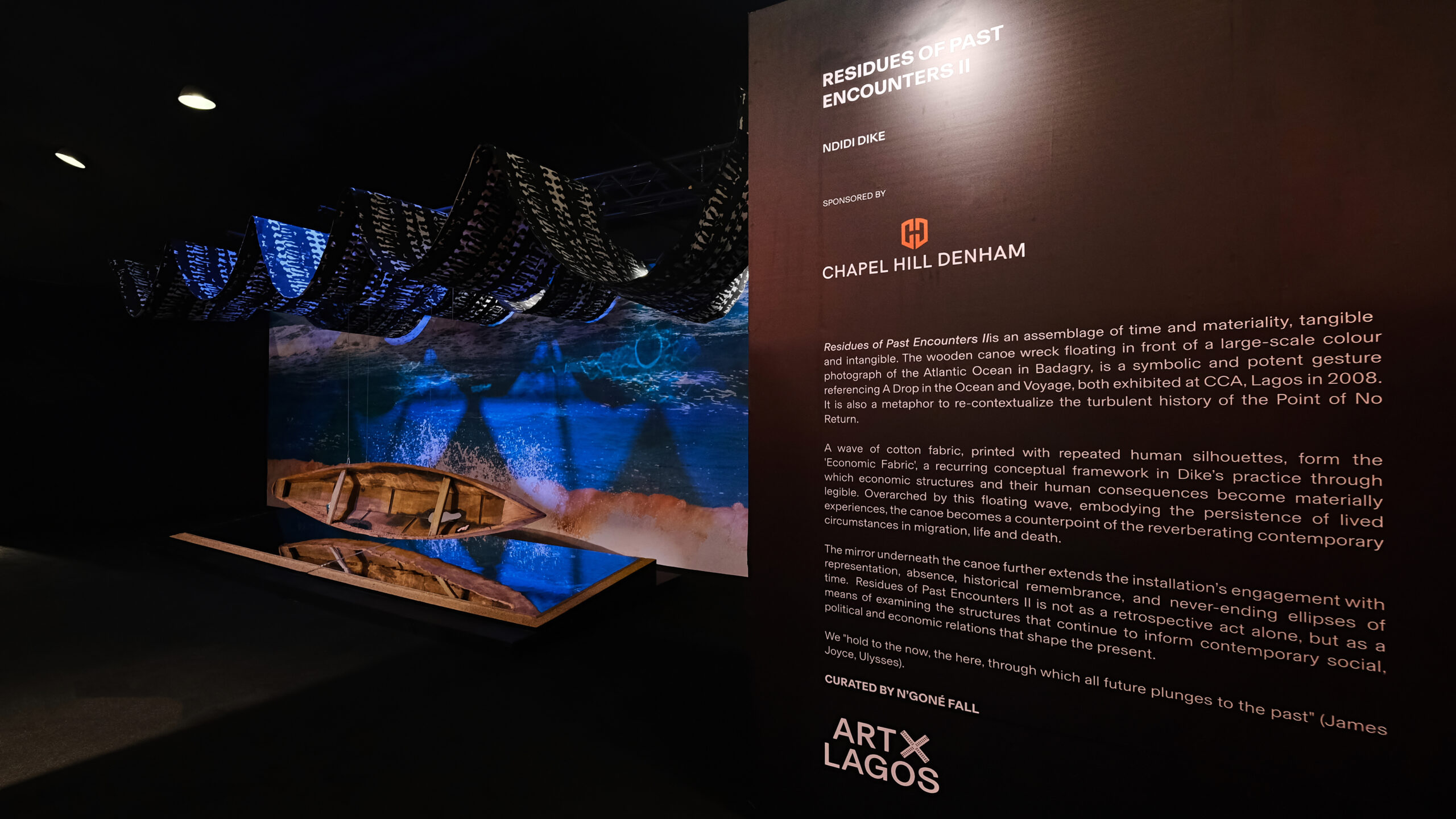
The work connected the fair’s interest in cultural inheritance with histories of displacement, memory and loss. Dike also joined Fall and collector Femi Lijadu for a discussion of her career and the histories informing her practice.
Film provided another means of examining how experiences are recorded and remembered. ART X Cinema presented Mothers of Chibok, directed by Joel Kachi Benson, bringing the experiences of women in Chibok into the programme.
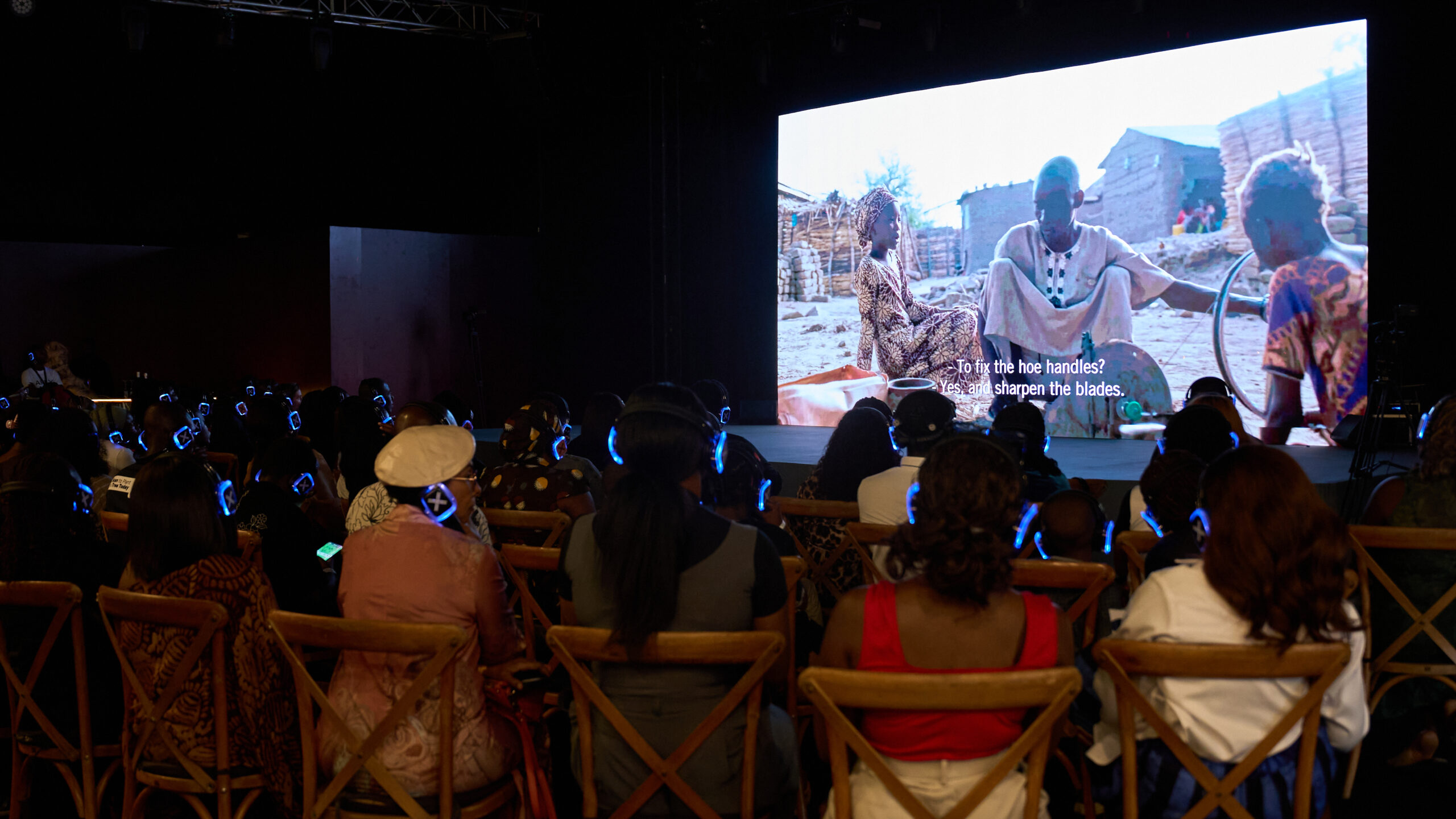
Following the screening, Benson participated in a conversation moderated by singer-songwriter Falana about how film represents tragedy, resilience and humanity.
Historian and curator Ed Keazor also presented a lecture-performance marking 100 years of Nigerian cinema. His presentation traced the development of storytelling through film and Nigeria’s efforts to reclaim its cinematic gaze.
Visitors could contribute their own voices at Speakers’ Corner, where Yinka Bernie’s Moving Parts drew inspiration from Lagos’ pedestrian bridges.
Co-curated by Papa Omotayo and Fikayo Adebajo, the installation combined sound and image. Visitors selected question cards and recorded their responses through a microphone, adding personal accounts to a work concerned with connections between people, places and generations.
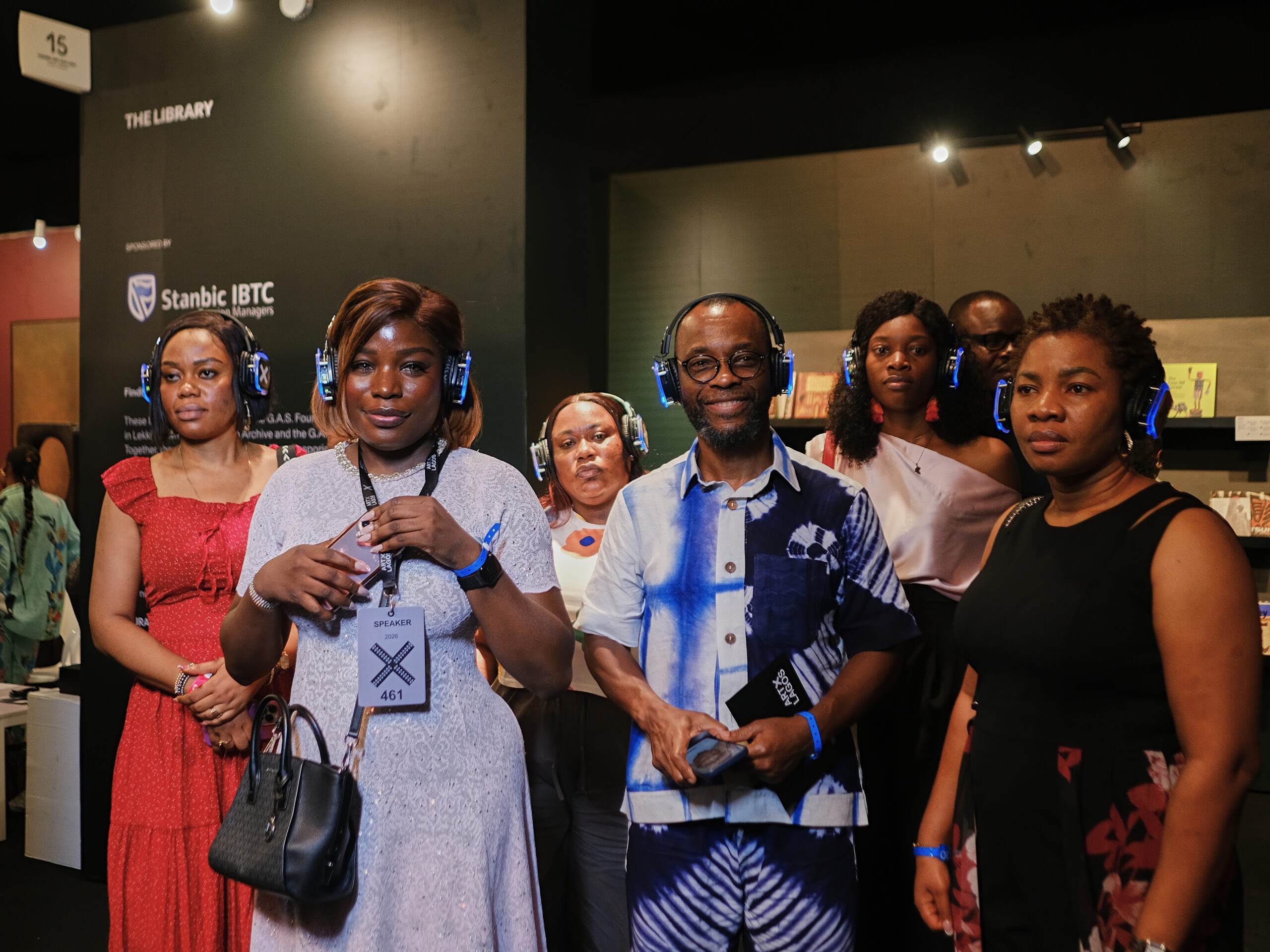
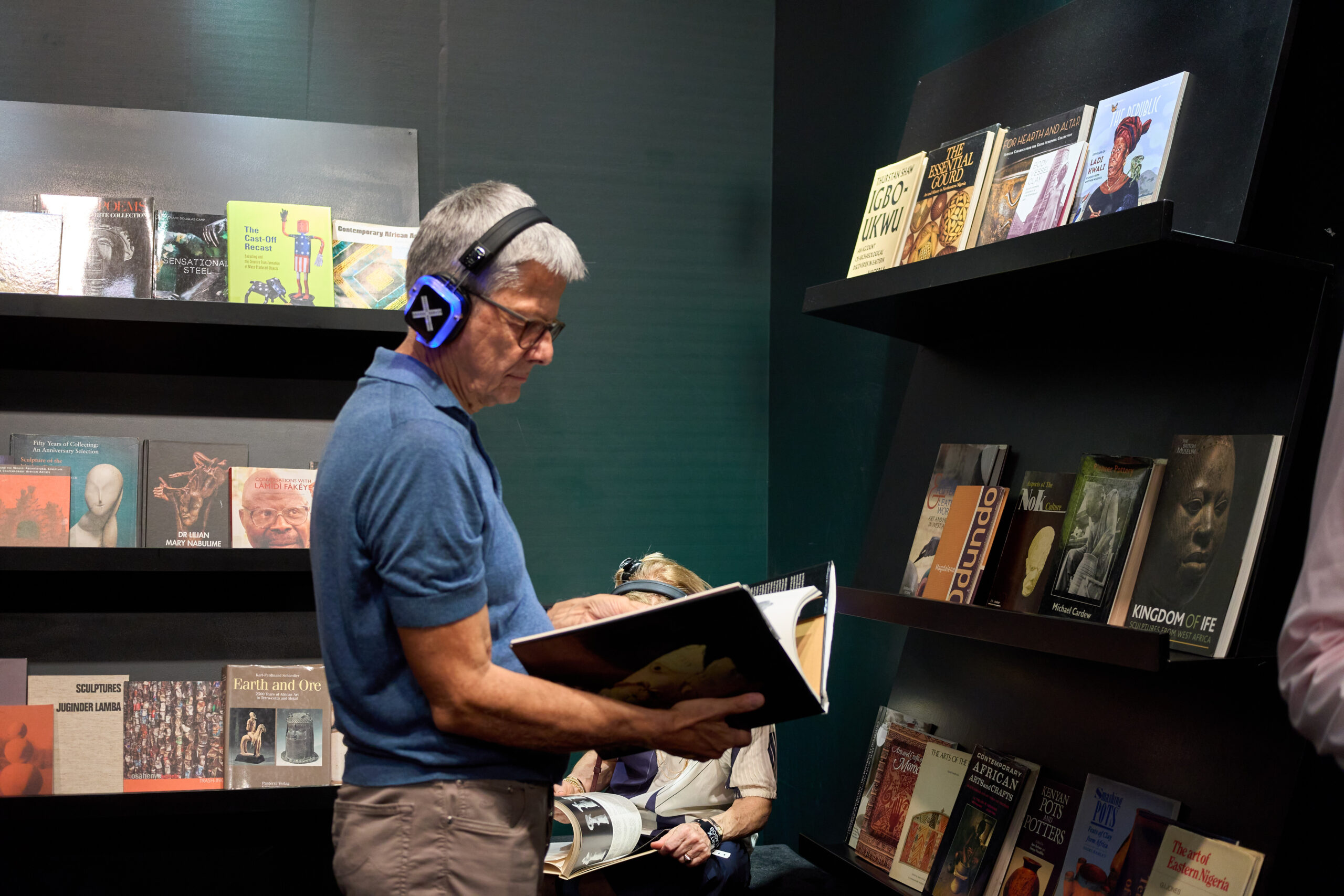
The ART X Library offered a different form of participation through reading and research. Curated by Missla Libsekal and sponsored by Stanbic IBTC Pension Managers, it included books on loan from the G.A.S. Foundation.
Across the Main and Spotlight sections, participating galleries presented work by established and emerging artists from Africa and its diaspora.
The Main section included Affinity Art Gallery, Afriart Gallery, Alexis Galleries, AMG Projects, Gallery 1957, kó, Kokopelli Gallery, Nike Art Gallery, O’DA Art, SMO Contemporary Art, TAFETA and Yenwa. Adegbola Gallery, Nomadic Art Gallery and Windsor Gallery participated in Spotlight.
The Art Across Borders programme, Walkers with the Dawn, brought together African artists whose practices also involve education, community initiatives and cultural infrastructure.
Supported by Afreximbank, it featured Nigeria’s Victor Ehikhamenor, Angola’s Kiluanji Kia Henda, Zimbabwe’s Georgina Maxim, Kenya’s Kaloki Nyamai and Morocco’s Ghizlane Sahli.
That concern with the structures supporting artistic work continued at The Development Forum, titled Laying Ground, Lifting Horizons: African Artists as Builders.
Nyamai, Maxim, Sahli and Kia Henda discussed their initiatives alongside representatives of independent creative spaces in Lagos: Tushar Hathiramani of 16/16, Moni Aisida of G.A.S. Foundation, Wura Natasha Ogunji of Treehouse and Faridah Folawiyo of FF Projects.
Moderated by Fikayo Adebajo and Nelson C.J, the forum considered how such spaces begin, sustain their activities and contribute to their surrounding communities.
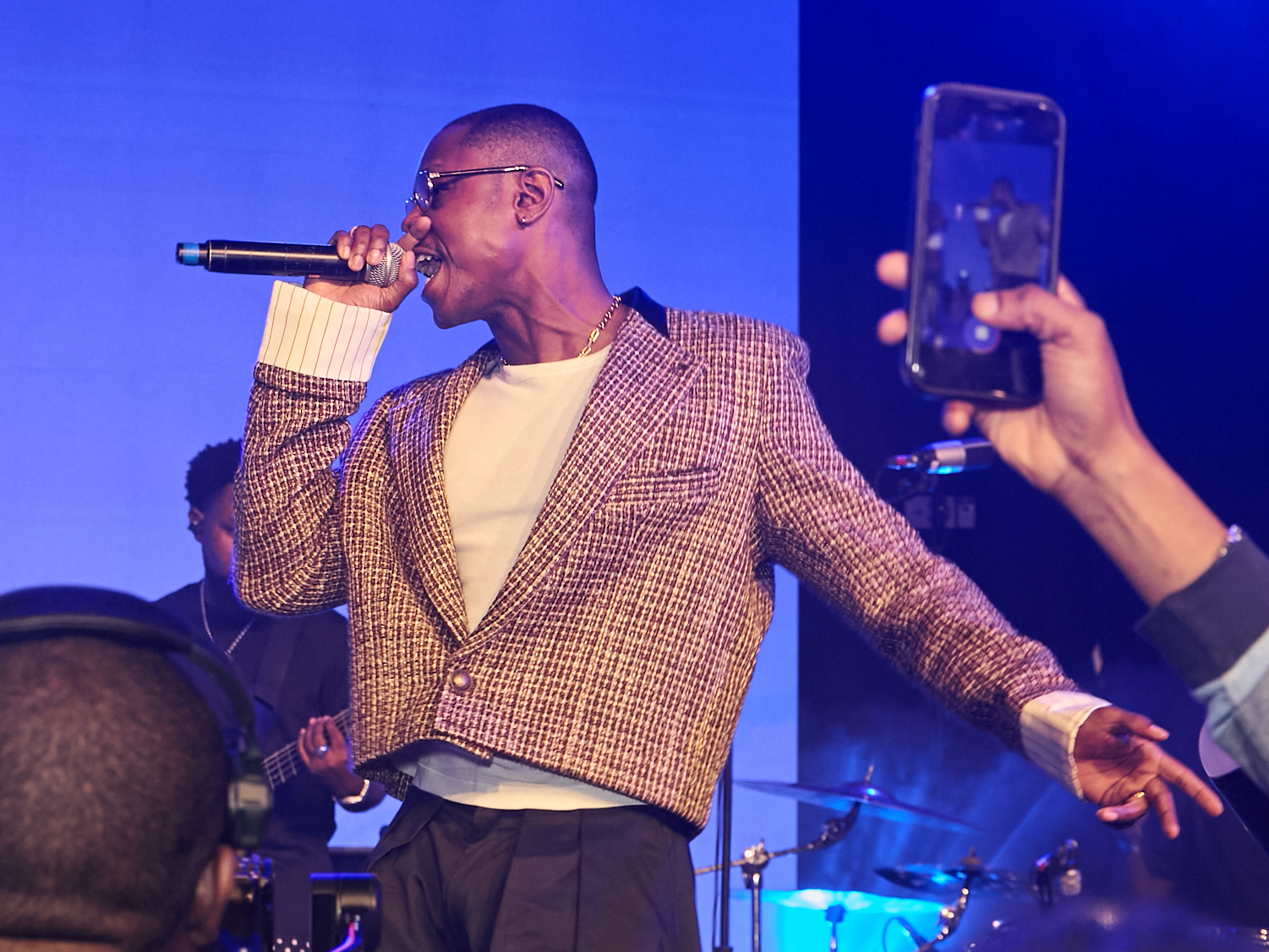
Music formed another part of the programme through ART X Live!, curated by Lanre Masha and sponsored by Champion Brands.
The lineup featured taves, Kunmie, Solana, EKENE, LULU, Lodù, Nora and WEAREALLCHEMICALS, with a special appearance by Ladipoe. Falana also performed at the official VIP after-party at VICI.
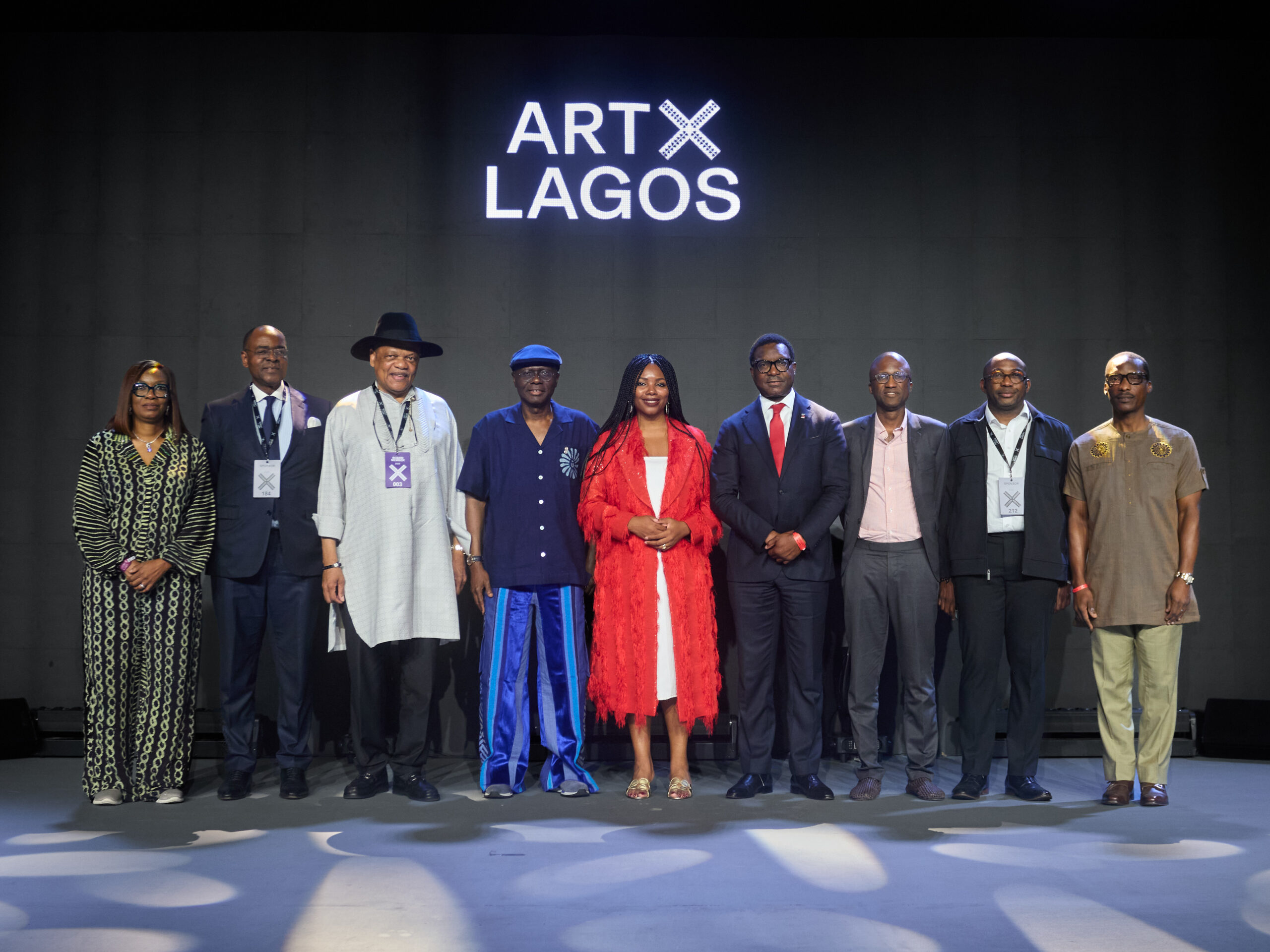
The fair began with a private Collectors’ Preview on November 5, followed by its official opening on November 6. Guests included Lagos State Governor Babajide Sanwo-Olu, government representatives, collectors and members of the fair’s advisory board.
Ahead of the opening, founder and director Tokini Peterside-Schwebig hosted private tours for international delegations, including members of the Tate International Council and a Creative Africa Nexus delegation.
Speaking at the opening, Peterside-Schwebig said the fair’s next phase would require attention to the durability of its work.
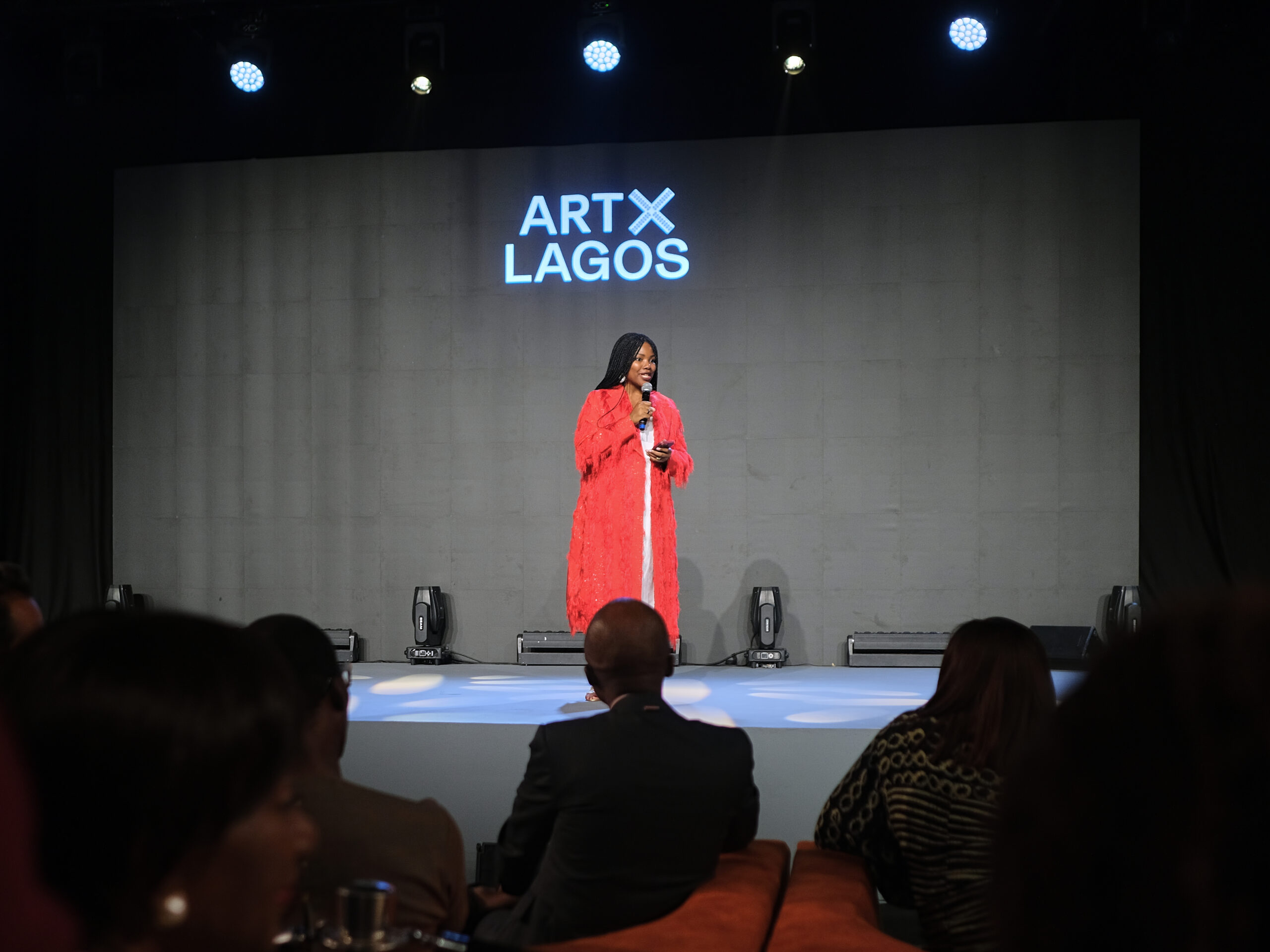
“As ART X Lagos enters this new chapter, I am thinking more about the depth and sustainability of the impact we can create,” she said.
“Over the past ten years, we have demonstrated that an institution conceived and built in Africa can establish itself as an internationally recognised platform, attract global audiences and contribute meaningfully to our creative economy.”
Founded in 2016, ART X Lagos has welcomed more than 700,000 visitors across its editions, according to the organisers.
“The next phase is about building on that foundation with greater ambition and intention. As we look ahead, I want us to continue building a cultural institution that is grounded in excellence, deeply original in its thinking and expression, and unapologetically true to who we are.”