
 Get Guardian on Google
With construction beginning on Kogi International Cargo Airport, the state is seeking to turn its agricultural resources and central location into commercial advantages. Aviation Minister Festus Keyamo sees infrastructure as a catalyst for investment, while the project adds another dimension to President Bola Ahmed Tinubu’s aviation development agenda: connecting regional producers to wider markets.
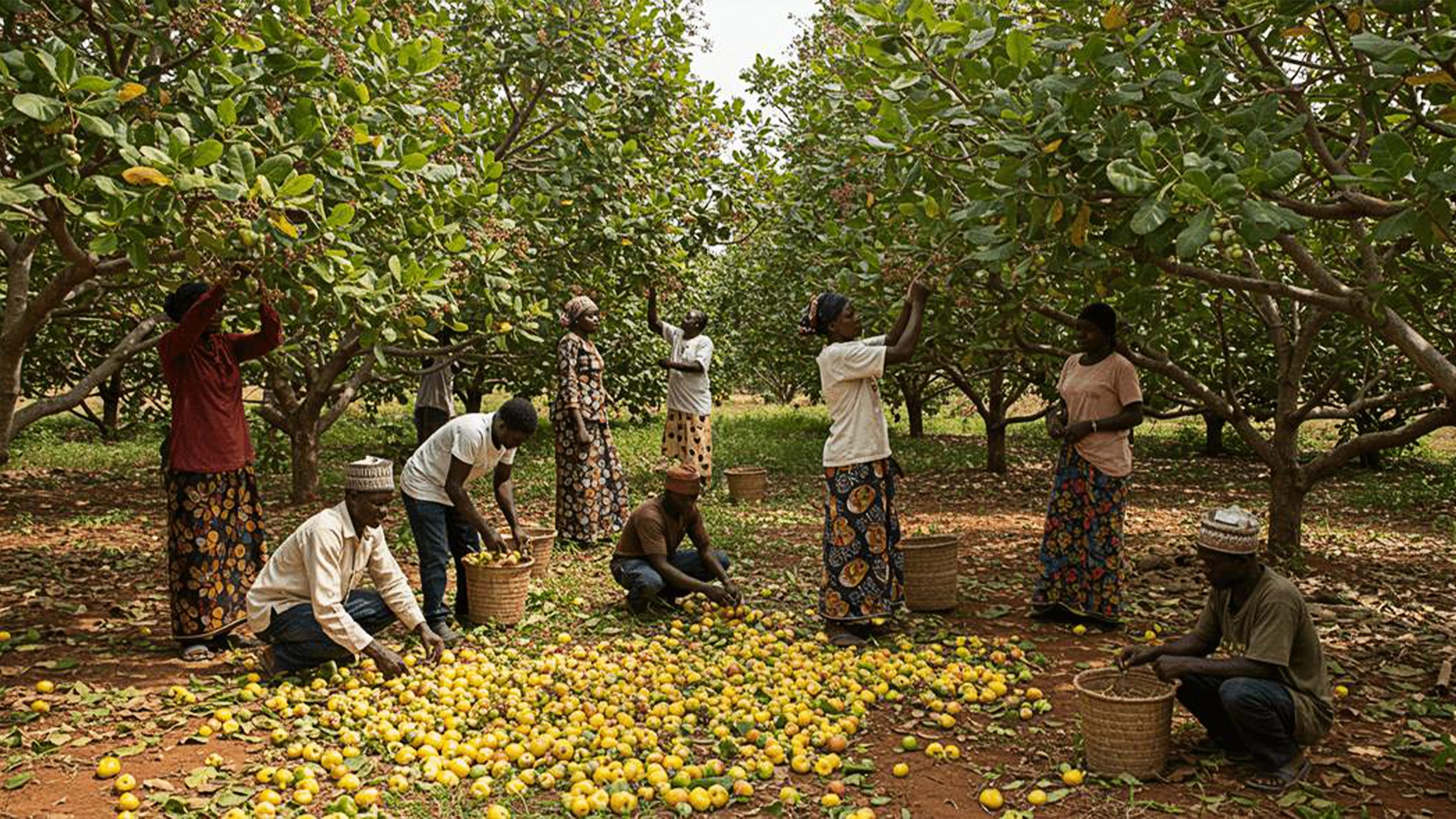
For farmers producing cashew, rice, cassava and other agricultural commodities in Kogi State, one of the greatest economic challenges is not necessarily the ability to grow crops. It is getting those products to markets where they can command competitive prices.
Poor transport connections, inadequate storage, limited processing facilities and expensive logistics can reduce the commercial value of agricultural production long before goods reach their final buyers.
Kogi State is now betting that aviation infrastructure can become part of the solution.
On November 10, 2026, the Federal Government formally flagged off construction of the Kogi International Cargo Airport at Zariagi in Adavi Local Government Area.
President Bola Ahmed Tinubu was represented at the ceremony by Aviation Minister Festus Keyamo, who linked the project to national economic reforms and Governor Ahmed Usman Ododo’s infrastructure development ambitions.

The airport is intended to improve connectivity, attract investment and support the movement of passengers and goods.
But its most interesting commercial proposition lies in cargo logistics: whether a centrally located Nigerian state can use aviation infrastructure to develop new markets for agricultural products and other high-value goods.
The Agricultural Opportunity
Kogi possesses a diverse agricultural economy.
Cashew, cassava, rice, maize and palm produce feature prominently among its commercial crops, while the state also has substantial mineral resources.
Its position between northern and southern Nigeria offers opportunities for collecting, processing and distributing goods across regional markets.
Yet agricultural output does not automatically translate into export earnings.
Farmers and processors must meet buyers’ requirements concerning quality, packaging, storage, traceability and delivery schedules.
For perishable products, time is particularly important.
Fresh vegetables, flowers, selected fruits and temperature-sensitive products can lose substantial value when transportation and handling are delayed.
Air freight offers one solution, especially where goods are valuable enough to justify its higher transportation costs.
A cargo airport supported by appropriate handling facilities could reduce reliance on distant aviation gateways for some exporters.
However, not every agricultural commodity is commercially suited to air transportation.
Bulk products such as rice, cassava flour and many mineral commodities are generally better transported by road, rail or sea because of their weight, volume and relatively low value per kilogram.
For Kogi’s aviation strategy, the opportunity will therefore be strongest in selected high-value, time-sensitive or specialised products.
Keyamo’s Infrastructure Argument
Speaking at the groundbreaking, Aviation Minister Keyamo argued that governments must sometimes provide essential infrastructure before major commercial investment can emerge.
“It is the airport that attracts these developments,” he said, defending the decision to construct the facility ahead of an established international aviation market.
PRESS RELEASE NAIJA
His argument reflects the government’s view that infrastructure can help unlock economic opportunities currently constrained by limited connectivity.
Keyamo also linked the project to President Tinubu’s economic policies, particularly changes in subsidy expenditure and foreign exchange management.
According to the minister, increased allocations to state governments have created greater fiscal capacity to undertake major development projects.
He maintained that the combination of national economic policy and state-level leadership had made the airport initiative possible.
For the aviation sector, the significance extends beyond Kogi.
The project illustrates growing interest in using regional airports to support trade, investment and commercial activities outside Nigeria’s principal aviation centres.
Whether that strategy succeeds will depend on the business networks and supporting infrastructure developed around the new facilities.
Why Cargo Airports Need More Than Runways
A cargo airport is not simply an ordinary airport with additional storage space.
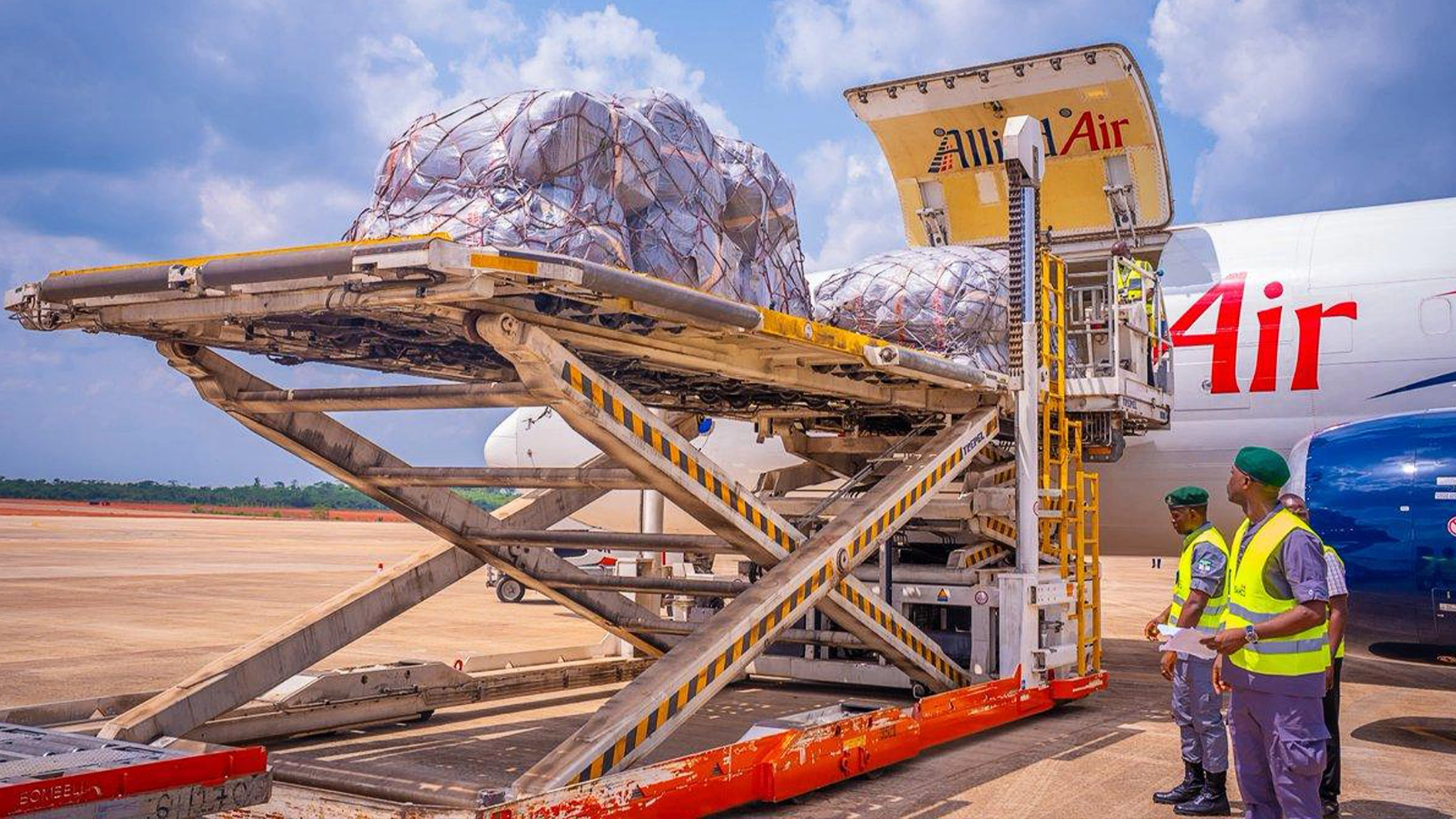
Successful air freight operations require an integrated logistics system capable of moving goods efficiently from producers to aircraft and onwards to final markets.
For agricultural exports, that system may begin at collection centres and processing facilities far from the airport.
Products must be graded, packaged and transported under appropriate conditions.
Fresh produce often requires uninterrupted temperature-controlled storage and handling, commonly described as the cold chain.
Without adequate cold-chain facilities, perishable cargo can deteriorate before it reaches the aircraft.
Exporters also require efficient customs processing, product certification, veterinary or phytosanitary documentation where applicable, and reliable air freight services.
These requirements are particularly important in international markets with strict food safety and quality standards.
For Kogi, the proposed airport will need to operate within a larger commercial system involving agricultural producers, processors, logistics companies, regulators and airlines.
Building the runway creates physical capacity.
Building the cargo ecosystem creates the possibility of sustainable business.
Learning from Africa’s Cargo Leaders
Across Africa, aviation cargo has become an important component of agricultural export development.
Ethiopia provides a prominent example.
Ethiopian Airlines has invested in dedicated cargo aircraft, modern freight facilities, international distribution networks and temperature-controlled logistics.
Its operations support the movement of flowers, fresh produce, pharmaceuticals and other goods to international markets.
Kenya’s horticultural export industry similarly depends on coordinated relationships between growers, freight operators, cargo handlers and international buyers.
These experiences demonstrate that successful air cargo industries require more than airport infrastructure.
They depend on reliable production, efficient logistics and commercially viable international connections.
Nigeria possesses significant agricultural resources and a substantial domestic market, but many exporters face constraints in accessing competitive freight services.
A strategically developed regional cargo network could help address some of those limitations.
However, it would require careful coordination between national aviation authorities, state governments, private investors and export development agencies.
A New Role for Regional Airports
Nigeria’s aviation industry has traditionally concentrated significant international passenger and cargo activity in Lagos and Abuja.
That concentration reflects the commercial importance of both cities, but it also creates logistical challenges for producers located elsewhere.
Agricultural businesses may need to transport goods over considerable distances before reaching an airport with international freight connections.
Such journeys increase costs, particularly where products require refrigeration or rapid delivery.
Regional cargo facilities could improve the system by serving as collection and consolidation centres.
For Kogi, this could mean developing relationships with producers in neighbouring states and creating logistics services capable of handling cargo destined for larger domestic or international aviation hubs.
Direct international cargo flights would represent another possibility, but their viability would depend on sufficient freight volumes and sustained airline demand.
An international airport designation alone does not guarantee scheduled international cargo operations.
The business model must establish where the freight will originate, which destinations it will serve and whether the revenue can support the cost of aviation services.
The Tinubu Aviation Development Agenda
The Kogi project comes as the Tinubu administration pursues several aviation infrastructure and regulatory initiatives.
These include the reconstruction of Murtala Muhammed International Airport’s Terminal 1 in Lagos, improvements to aviation safety oversight and measures intended to strengthen international aircraft financing.
The Federal Airports Authority of Nigeria has also pursued cargo infrastructure development.
In May 2025, FAAN commissioned a domestic cargo processing facility at Lagos’s General Aviation Terminal, describing it as part of efforts to improve freight handling and domestic trade logistics.
News Focus
These initiatives reflect the importance of treating aviation not only as passenger transportation but also as infrastructure supporting broader commercial activity.
The challenge is to establish practical connections between aviation investment, agricultural development and manufacturing.
For states such as Kogi, the opportunity lies in identifying industries capable of generating sufficient demand for cargo services.
That requires private-sector participation from the earliest stages of project development.
From Ambition to Export Capacity
The Kogi State Government expects the airport to create employment opportunities, attract investment and strengthen commercial connectivity.
Officials have projected between 2,000 and 3,000 direct and indirect jobs from the initiative.
Kogi State Government
Those benefits remain prospective.
The project must progress from construction to regulatory certification and sustainable operations before its commercial impact can be measured.
For agricultural producers, success would mean more than having an airport nearby.
It would involve lower logistics costs for suitable products, reliable access to buyers, reduced spoilage and improved opportunities for value-added processing.
For investors, it would mean a credible business environment supported by dependable infrastructure and access to markets.
Kogi’s central location provides an advantage, but geography alone cannot establish a successful cargo industry.
The airport must become part of a network connecting production, processing, storage, distribution and international trade.
That is the larger economic opportunity behind the groundbreaking at Zariagi.
If Kogi can turn its agricultural potential into commercially viable freight demand, the proposed airport could become more than another regional aviation facility. It could help demonstrate how targeted transport infrastructure supports local production and creates new connections between Nigerian businesses and international markets.
By Onome Amawhe
Onome Amawhe is a Nigerian journalist, writer and editorial strategist, and Founder of Africa Executive, an editorial advisory specialising in executive content, corporate storytelling and strategic publishing.