

 Get Guardian on Google
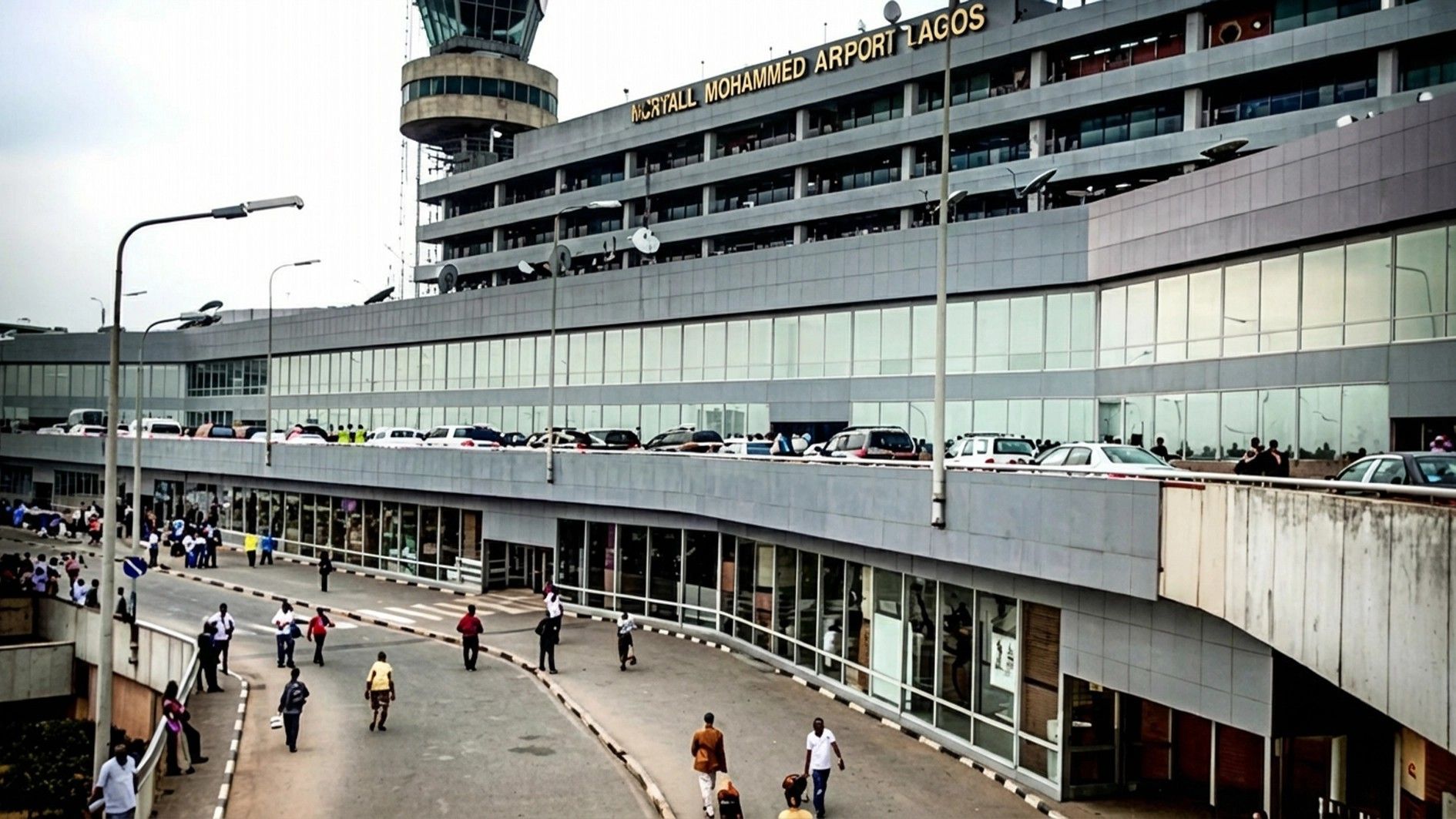
The Managing Director of Topbrass Airlines Ltd, Roland Iyayi, has said that Nigeria will require an estimated $50 billion over the next decade to address its airport infrastructure deficit.
The Federal Government has also been told to institute a Board of Directors for the Nigerian Airspace Management Agency (NAMA) for seamless growth of the agency and the entire aviation industry in the country.
Speaking as a panellist yesterday at the 55th yearly general meeting of the Nigerian Air Traffic Controllers’ Association (NATCA) with the theme: ‘Beyond Silos To Synergy: Shaping the Future of Nigerian Air Traffic Management ‘, Iyayi warned that the Federal government could not shoulder the financial burden through the yearly budgetary allocations.
Iyayi insisted the industry generated sufficient revenue to finance its development, but lamented the disconnect between revenue generation, infrastructure investment and policies aimed at supporting the growth of domestic airlines.
He identified poor planning, institutional rivalry among aviation agencies and the failure to optimise existing facilities as some of the major challenges limiting the industry’s growth.
According to him, Nigeria’s aviation infrastructure became increasingly inadequate following the emergence of private operators and the expansion of the domestic airline market, which placed additional pressure on facilities that were already struggling to meet demand.

He said: “The country will be coping with over the next decade a minimum of $50 billion worth of infrastructure deficit. And that itself is not something the Federal government can appropriate a budget to cover, not even in the next decade.
“The aviation sector has the capacity to generate sufficient revenue to meet its infrastructure requirements if resources were properly managed and reinvested.”
Besides, Iyayi blamed the sector’s poor performance on the evolution of aviation institutions, noting that the separation of agencies from the former Federal Civil Aviation Authority (FCAA) created rivalries and unhealthy competition among organisations that should ordinarily work together.
He cited the longstanding disagreements between the Federal Airports Authority of Nigeria (FAAN) over the control and management of airfield lighting as an example of institutional rivalry.
He stated the situation had created an entrenched culture of competition, rather than cooperation, adding that the agencies needed to embrace a common vision for the industry’s development.
The aviation expert further expressed concern over discrepancies in passenger traffic figures provided by NAMA, FAAN and the Nigerian Civil Aviation Authority (NCAA), despite the agencies operating within the same industry.
According to him, the absence of reliable and harmonised data was affecting effective planning and investment decisions.
He also lamented the underutilisation of secondary airports, some of which, according to him, had become virtually inactive because of inadequate manpower and operational limitations.
Also, the Managing Director of Aero Contractors, Ado Sanusi, urged the Federal government to immediately constitute the board of NAMA.
He posited that the operators should have a platform to contribute to decisions on the agency’s operations, investments and service delivery.
Sanusi also advocated regular consultations between NAMA and airline operators to identify operational challenges and determine the facilities and services required by the industry.
He maintained that such engagement would improve accountability, ensure value for money and create a more sustainable funding model for the agency.
The former NAMA boss further advocated the adoption of a model similar to Canada’s air navigation management system, where professionals manage operations and services are provided on a cost-recovery basis.
He commended the leadership of NATCA for initiating discussions on the challenges confronting the country’s airspace management system, but warned that sustained reforms were necessary to prevent Nigeria from falling further behind in global aviation development.
He also called for reforms in the governance and funding structures of aviation agencies.
Sanusi maintained that changing the leadership of an organisation alone would not necessarily resolve the problem of poor collaboration.







