 Get Guardian on Google
The African Regional Organisation of the International Trade Union Confederation (ITUC-Africa) has condemned the growing global arms race, warning that escalating military expenditure and declining humanitarian assistance are worsening economic hardship, threatening jobs and undermining workers’ welfare across Africa.
The organisation said governments were committing trillions of dollars to military spending while cutting development and humanitarian funding needed to protect vulnerable populations, provide essential services and support economic development.
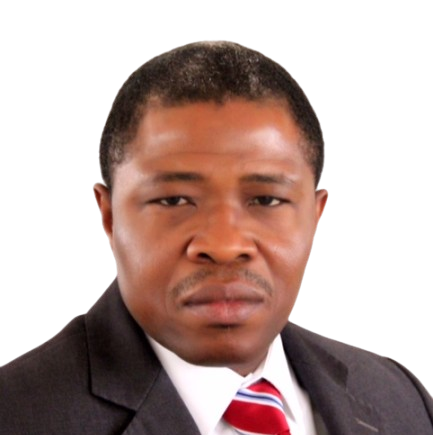
ITUC-Africa, which represents more than 18 million workers across the continent, raised the concerns in a statement signed by its General Secretary, Joel Odigie, amid continuing conflicts in the Middle East and other parts of the world.
Citing figures from the Stockholm International Peace Research Institute (SIPRI), the organisation said global military expenditure reached a record $2.887 trillion in 2025, representing a 41 per cent increase over the preceding decade.
Military spending in Africa also rose by 8.5 per cent to $58.2bn, while the world’s 100 largest arms-producing companies generated $679 billion in revenue in 2024.
In contrast, official development assistance fell by 23.1 per cent in 2025, its sharpest annual contraction on record, according to the Organisation for Economic Co-operation and Development, with further declines projected for 2026.

The organisation described the trend as a dangerous imbalance in global priorities, arguing that governments were increasingly financing military expansion while reducing resources for humanitarian assistance and development.
It warned that the consequences extended beyond geopolitical tensions, with workers and their families bearing the economic costs through rising prices, job losses, declining purchasing power and reduced public investment in essential services.
Highlighting the humanitarian crisis in Sudan, ITUC-Africa cited a November 6, 2026, United Nations warning that 15.4 million people urgently needed emergency shelter and essential household items, but available resources could support only about one in 10.
The organisation questioned the justification for increasing military spending while humanitarian agencies struggled to provide necessities, including food, shelter and medicine, to populations devastated by conflict.
It further warned that conflicts in the Middle East, particularly disruptions to energy and fertiliser shipments through the Strait of Hormuz, posed additional risks to African economies through higher production costs, food insecurity, employment disruptions and declining household incomes.
The International Labour Organisation has also warned of wider implications for jobs, wages, working conditions and migrant workers.
ITUC-Africa also expressed concern over the exploitation and illicit trafficking of natural resources and military equipment, which it said continued to sustain armed groups and insurgencies across the continent.
It identified the mineral-rich eastern Democratic Republic of Congo and the Sahel as areas where natural resources that should finance development were instead contributing to financing violence.
The organisation warned that illicit weapons proliferation was enabling insurgent groups to terrorise communities, displace workers and undermine legitimate economic activities.
Against this backdrop, ITUC-Africa called for an immediate cessation of hostilities, protection of civilians and migrant workers, unhindered humanitarian access and stronger international action against illicit arms trafficking and the exploitation of natural resources in conflict zones.
It also urged governments to renew diplomatic negotiations, restore humanitarian financing and increase investments in decent work, social protection and sustainable development.
The labour organisation maintained that pursuing peace should not be interpreted as indifference to legitimate security concerns, but insisted that lasting security could not be achieved through military confrontation at the expense of human dignity and economic stability.
It called on workers to sustain peaceful collective action, international solidarity and social dialogue to demand accountability and press governments to prioritise human welfare over military expansion.