
 Get Guardian on Google
The Federal Government plans to establish a National Care Fund and develop a digital platform through a public-private partnership to formalise Nigeria’s childcare and elderly-care sector, creating new investment opportunities and employment for Nigerians.
The initiative is part of the National Care Policy and Implementation Plan approved by the Federal Executive Council, as the government moves to address the economic burden of unpaid care work, estimated at $111 billion yearly.
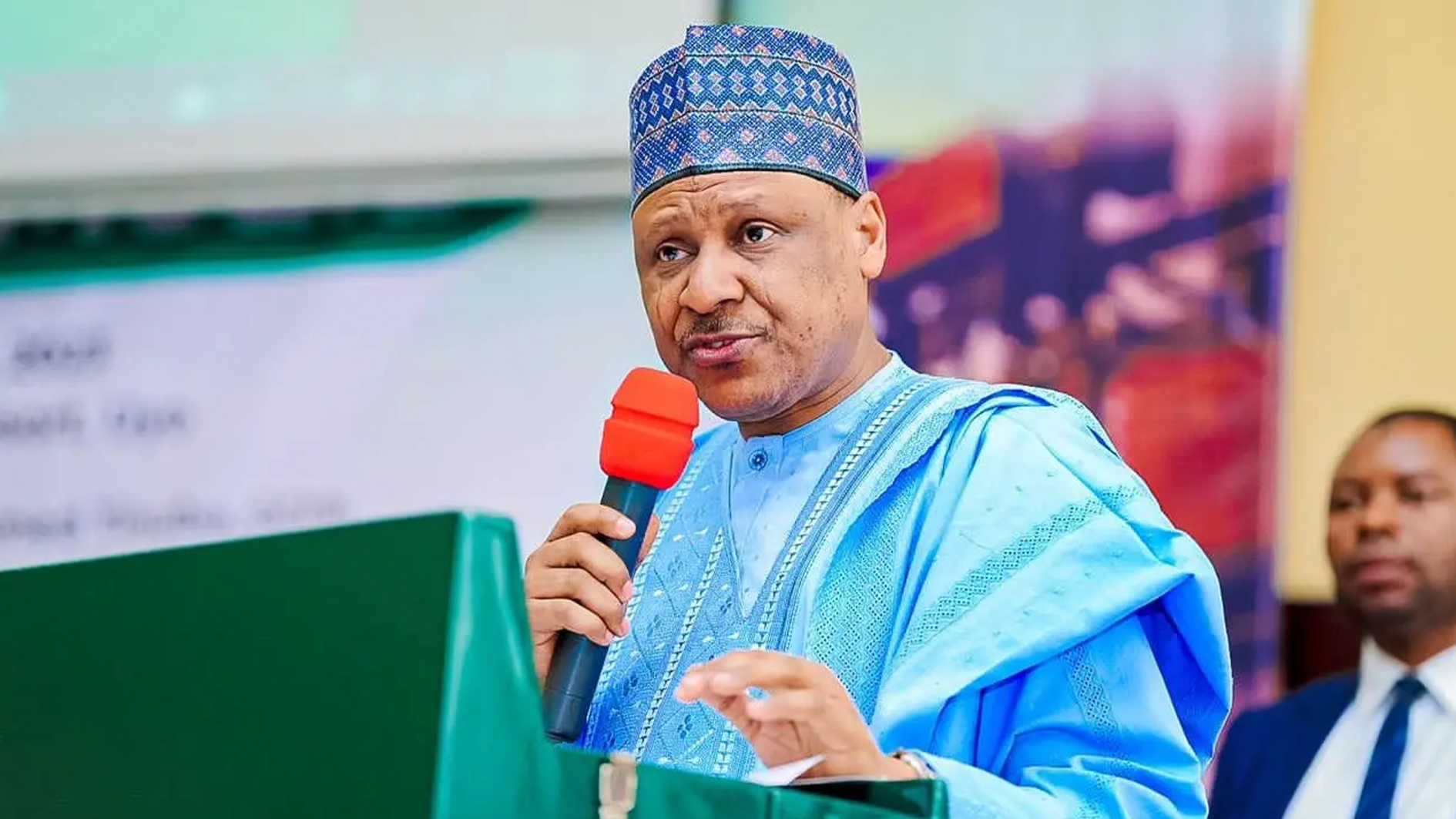
The Minister of Women Affairs and Social Development, Imaan Sulaiman-Ibrahim, disclosed this while outlining the policy’s implementation framework at the Top50 Global Economic Forum 2026, held in Lagos.
She said the policy would introduce standards for childcare and elderly-care services, establish a National Care Fund and provide for a National Care Digital Platform to be developed through a public-private partnership.
According to her, the initiative is designed to move care responsibilities, which are largely performed by women without payment or formal recognition, into the formal economy.
She said the policy would create opportunities for investors, financial institutions, technology companies and service providers to participate in the emerging care sector.

Sulaiman-Ibrahim described the care economy as a significant but largely untapped area of economic activity, noting that unpaid care work, carried overwhelmingly by women, costs Nigeria up to $111 billion yearly.
The minister urged investors to take advantage of the opportunities presented by the policy, particularly in developing childcare and elderly-care facilities and providing technology-driven services.
She also called on businesses to partner with the government in developing the National Care Digital Platform, which is expected to support the organisation and delivery of care services.
Beyond the care economy, the minister highlighted the National Policy on Menstrual Health and Hygiene Management as another intervention designed to combine social protection with industrial development.
She disclosed that Nigerians spend up to N184 billion yearly on sanitary products, almost all of which are imported.
Under the policy, the government is seeking to promote local manufacturing through women-owned enterprises, a move she said would create factories, strengthen domestic supply chains and generate employment.
The minister said the initiative offered investors opportunities to support local production while improving access to affordable menstrual hygiene products.
She also outlined the government’s efforts to improve women’s access to finance through the Nigeria for Women Programme Scale-Up, under which participating women have mobilised more than N8.1 billion in savings and accessed over N8.2 billion in loans.
Through the GuaranteeHer window of the National Credit Guarantee Company, she said, the government now provides guarantees covering 60 per cent of the risk on loans to women-owned businesses.
She added that women farmers were accessing financing at below 10 per cent through the Bank of Agriculture.
Sulaiman-Ibrahim said the government was also strengthening social protection by establishing the National Council for Social Work, which President Bola Tinubu had approved.
She explained that the council would provide an institutional framework for training, certifying and licensing social workers to support vulnerable individuals and families.
She further disclosed that the Federal Executive Council had approved a costed National Action Plan on Ending Violence Against Children, which would extend prevention and protection interventions across the 36 states and the Federal Capital Territory through a Pathfinder State Model.
She said the government’s broader objective was to ensure that women, children and vulnerable groups were not excluded from economic growth and social development.