
 Get Guardian on Google
Industry stakeholders at the 11th Nigerian Entertainment Conference (NECLive) have called for stronger business structures, practical collaboration, and sustainable financing to translate Nigeria’s global entertainment appeal into commercial value and increased revenue.
They said that although Nigerian entertainment enjoys significant international recognition, its commercial potential remains largely untapped because of weak industry structures, limited access to funding and inadequate follow-through on ideas generated at conferences.
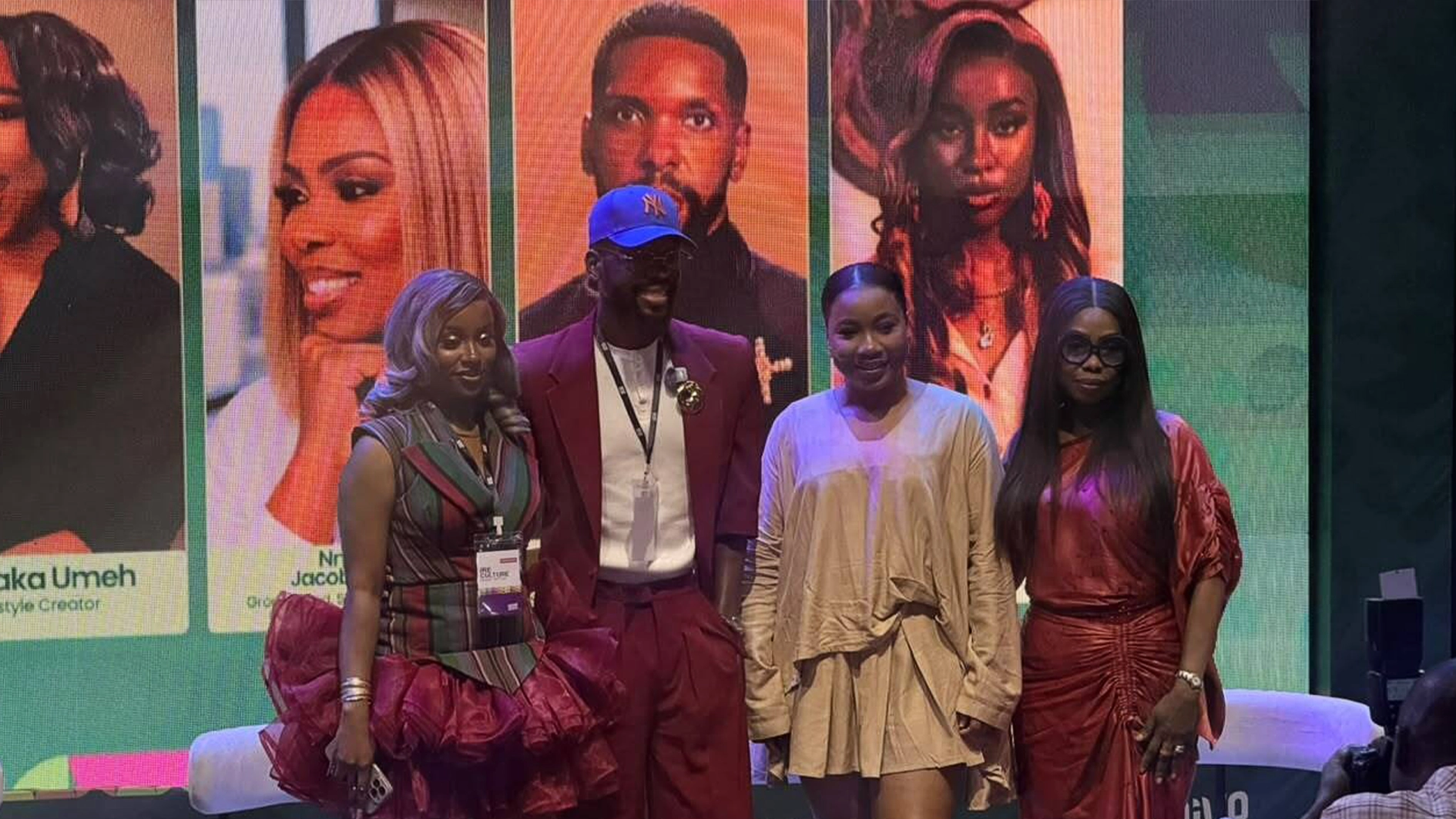
The stakeholders made the call at the opening session of NECLive 2026, held at Alliance Française de Lagos, Ikoyi, under the theme, “Home Advantage: Transforming Local Demand into Global Power.”
The conference brought together actors, filmmakers, music executives, entrepreneurs, DJs and other players in the creative economy to explore opportunities for strengthening the industry and expanding its global influence.
Hosted by comedian and compere Babatunde Adewale, popularly known as Tee A, the event focused on the need to recognise the value of Nigeria’s domestic creative market and build the structures required to convert local demand into sustainable business opportunities.
Discussions covered the creative economy, music, film, fashion and live events, alongside performances and networking opportunities aimed at connecting industry players with potential collaborators and investors.
During the opening panel, lifestyle creator Amaka Umeh joined other speakers to examine the industry’s potential, global appeal, challenges and prospects for growth.
Nigerian actor Charles Born said that despite repeated conversations about developing the entertainment industry, actionable steps and practical implementation remained inadequate.
He urged conference organisers and industry leaders to move beyond discussions by establishing follow-up programmes that would provide participants with opportunities for internships, mentorship and practical industry experience.
“Beyond the conferences, organisers need to follow up with the people. Beyond the talks, speakers should have programmes where attendees can intern, have conversations, and develop a system where people come back for more practical and valuable ways to implement and not just talk,” he said.
Born, who commended NECLive’s contributions to the industry, said its track record informed his decision to accept the invitation to participate in the panel.
“NECLive has been amazing with its track record, and that’s why I honoured the invitation to join the panel,” he added.
Also speaking, Group Head, SheVentures and Impact Sectors at First City Monument Bank (FCMB), Nnenna Jacob-Ogogo, stressed the need for structures that would convert creative output into commercially viable businesses.
She said the industry must move beyond producing entertainment content to building systems that guarantee commercialisation and sustainable returns from music, films and other creative products.
According to her, many players in the industry struggle to secure bank financing because they lack the business structures and financial records required to attract institutional support.
“We need to put structure in place such that we are not just doing entertainment, but structure that makes sure that our entertainment, music, and films are translated into commercialisation for the industry.
“There are few persons in the entertainment industry who can go into a bank and ask for backing for the next project they want to do. Many do not have the structure. We need to have a third-party organisation in place to take care of the risk,” she said.
On the willingness of commercial banks to finance emerging talents, Jacob-Ogogo explained that financial institutions were constrained by the need to protect shareholders’ funds and could not readily assume the risks associated with funding new entrants.
She said Development Finance Institutions (DFIs), such as the Bank of Industry (BOI), were better positioned to provide such funding, adding that FCMB works with DFIs to support projects in the creative sector.
“Commercial banks are not going to take risks on upcoming acts. A Development Finance Institution (DFI) such as the Bank of Industry (BOI) could offer that, but commercial banks cannot take such risks with shareholders’ funds, so in FCMB, we only work with DFIs that can provide that,” she said.
She recalled that some banks had previously financed creative industry projects but suffered losses, making them more cautious about returning to the sector without adequate safeguards.