
 Get Guardian on Google
The Nigerian Ports Authority (NPA) has said its $1 billion Port Modernisation Drive is creating significant investment opportunities for local and international investors as part of efforts to reposition Nigeria’s maritime sector for greater efficiency and global competitiveness.
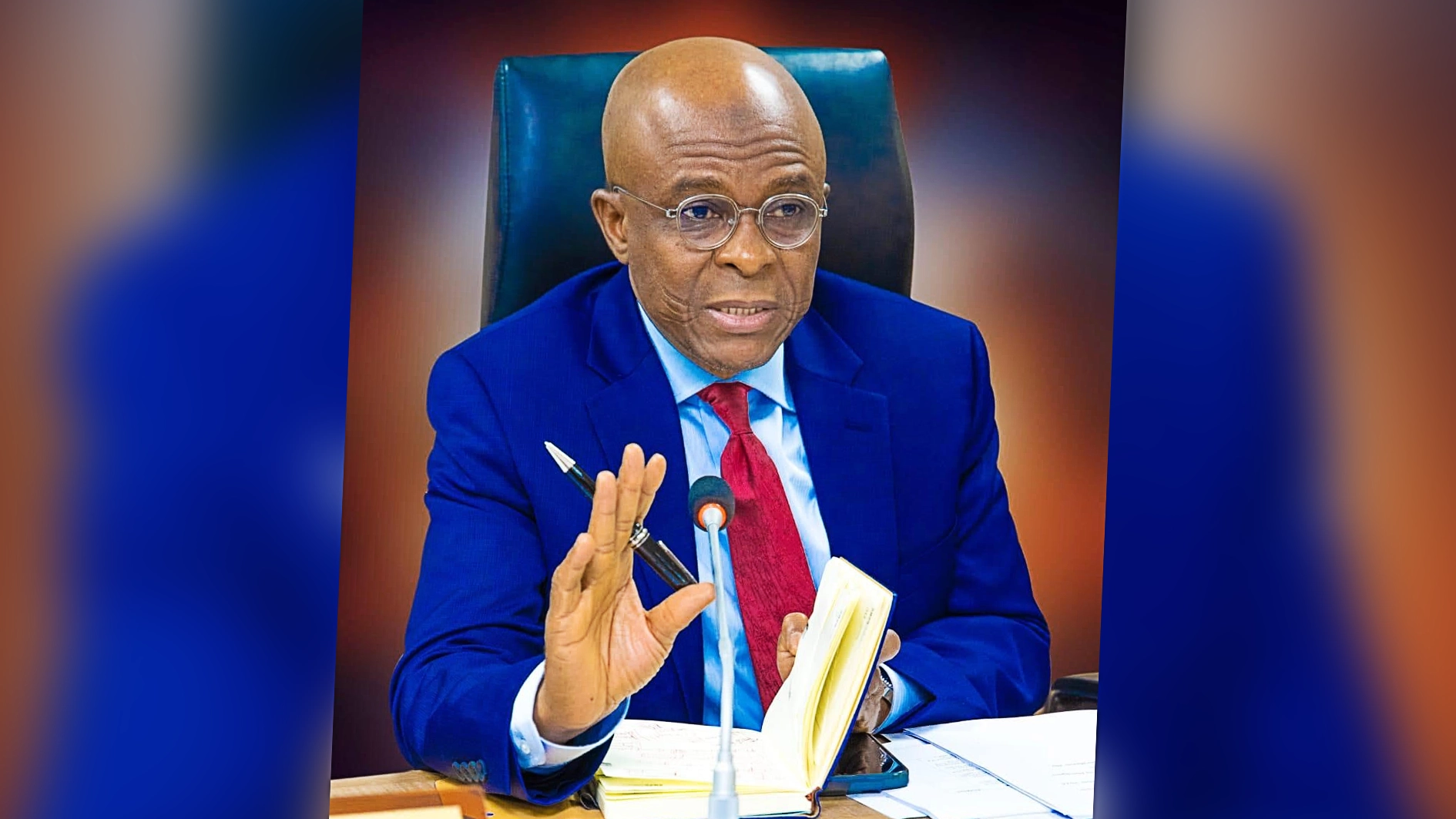
The Managing Director of the NPA, Dr Abubakar Dantsoho, disclosed this while addressing participants at the 40th edition of the Lagos International Trade Fair, where he highlighted the Authority’s ongoing reforms to improve port operations, strengthen trade facilitation and boost the country’s non-oil export trade.
Dantsoho said the modernisation programme offered investment opportunities in port infrastructure rehabilitation and expansion, digital technology, multimodal logistics infrastructure and green port development.
He identified Apapa, Tin Can, Calabar, Rivers, Delta and Onne ports as key areas requiring strategic partnerships and private sector investment to upgrade infrastructure and improve operational efficiency.
The NPA chief also disclosed that the Authority had deployed Export Processing Terminals and dedicated cargo transit corridors to eliminate logistics bottlenecks, reduce export cargo turnaround time and strengthen Nigeria’s non-oil export capacity.
He explained that the Export Processing Terminals had been designated and integrated to provide one-stop processing, documentation and pre-gating services for export cargo, thereby reducing delays and streamlining export operations.
According to him, the Authority had also operationalised dedicated transit corridors in collaboration with security and traffic management agencies to facilitate the seamless movement of export cargo to the ports.
He said the initiatives were designed to improve non-oil export logistics, empower small and medium-scale enterprises (SMEs) to expand their businesses, enhance the competitiveness of Nigerian products in international markets and increase the country’s foreign exchange earnings.
Dantsoho described non-oil exports as a national priority as Nigeria intensifies efforts to diversify its economy, stressing the need for the country to move from being predominantly a consuming nation to becoming a manufacturing and exporting powerhouse.
He maintained that the transformation of the maritime sector was the outcome of purposeful policy execution and strategic leadership, noting that the NPA occupied a strategic position as the gateway connecting Nigerian businesses with international markets.
On the investment opportunities under the modernisation programme, NPA managing director Dantsoho listed digital and smart port solutions, including automated gates, Port Community Systems, Vessel Traffic Management Systems (VTMS) and artificial intelligence-driven logistics.
He also identified the development of dry ports and multimodal logistics infrastructure, including inland container depots, rail-port linkages and cold-chain systems, as areas open to investment.
According to him, green port initiatives, particularly renewable energy, eco-friendly equipment and sustainable waste management, also form part of the modernisation programme in line with global decarbonisation goals.
The NPA managing director assured prospective investors of the Authority’s commitment to maintaining a transparent and business-friendly environment, supported by regulatory stability and attractive returns on investment.
He said the modernisation programme, with the support of the Federal Government and the Ministry of Marine and Blue Economy, would position Nigerian ports for improved efficiency, export-led prosperity and greater global competitiveness.
Dantsoho urged participants, international trade delegations and investors at the Lagos International Trade Fair to explore the investment opportunities available in Nigeria’s Blue Economy.
He said the theme of the 40th edition of the fair, “40 Years of Trade, Growth and Global Connection,” reflected the NPA’s mandate of connecting domestic enterprises with international markets.
He reaffirmed the Authority’s commitment to keeping Nigeria connected to the world through sustained port modernisation, improved trade facilitation and the development of an efficient maritime sector.