
 Get Guardian on Google
The report that more than 235,000 people die every year from cardiovascular diseases (CVDs) is alarming, highlighting a strained health sector and citizens’ low awareness of the link between individual lifestyles and increased deaths from CVDs. Together, the toll is an embarrassment to Nigeria, a country well-endowed with human and material resources yet unable to summon the right attitude to solve problems, including avoidable deaths.
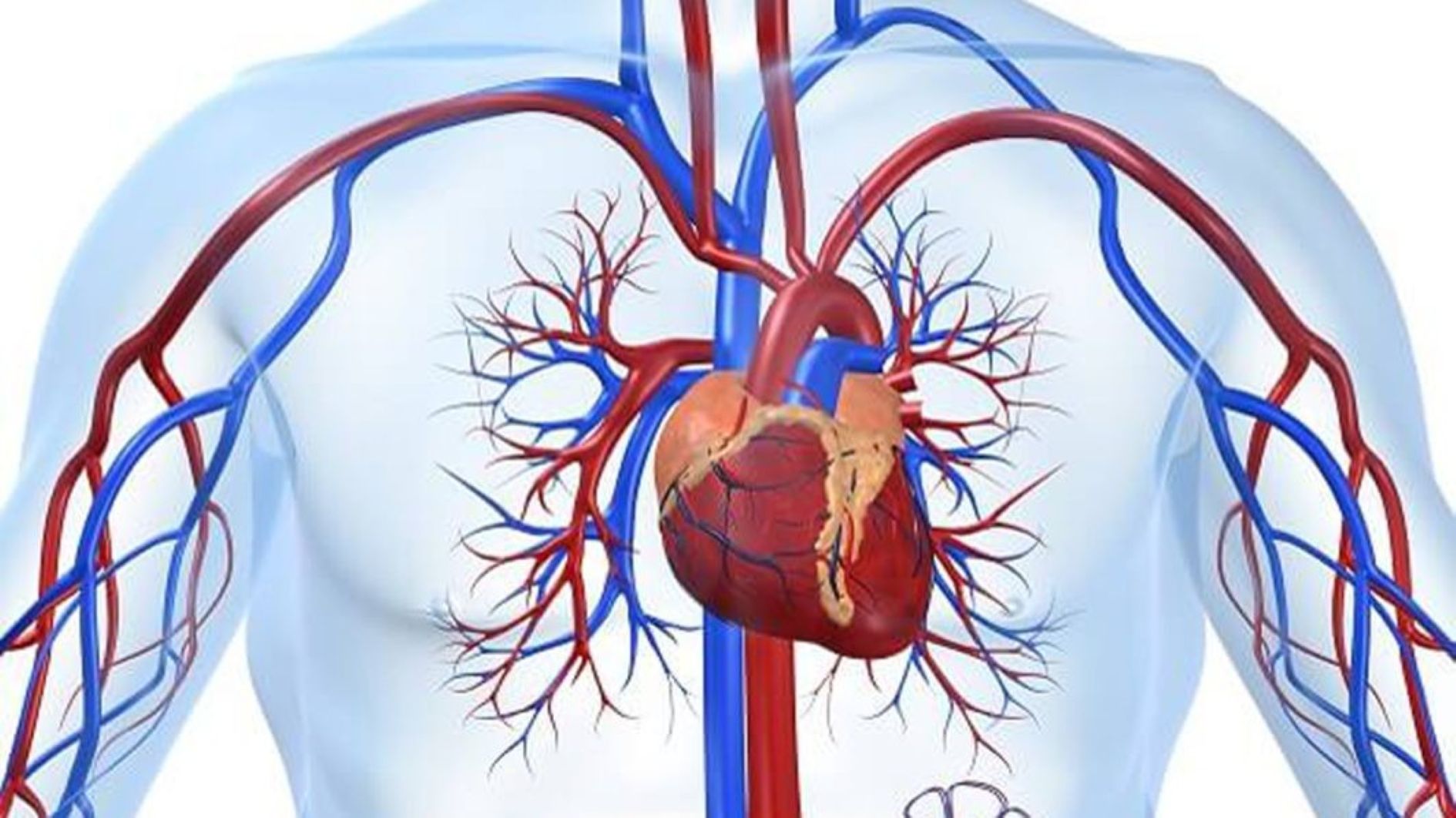
Cardiovascular diseases are a group of medical disorders that affect the heart and blood vessels, often leading to heart attacks, strokes and other ailments. They are the leading cause of death in many countries. The primary drivers are hypertension (high blood pressure), poor diets, careless lifestyles, physical inactivity, alcohol use, obesity, among others. The fatality rate is higher in countries with low health budgets, reflected in poor healthcare services, a lack of specialist cardiovascular care, high costs and the general absence of a quality healthcare system.
This year’s World Heart Day should serve as an opportunity for governments to take cardiovascular healthcare more seriously than they have. To this end, the Nigerian Cardiac Society (NCS) deserves support in its call for the government to strengthen cardiovascular disease prevention. The Nigerian Heart Foundation (NHF) has done well to raise awareness of the disease at the grassroots. The theme of the 2026 World Heart Day is ‘Healthy Hearts: From the Classroom to the Families.’ The Executive Director of NHF, Dr Kingsley Akinroye, stated that the promotion of healthy values should begin in schools. Getting young Nigerians to understand the importance of cardiovascular health is a good way to sustain the advocacy. The message will remain with them for a lifetime.
Equally commendable is the Foundation’s emphasis on prevention and timely screening. There are not more than 28 cardiovascular laboratories nationwide, which are largely absent in rural areas. Whereas international standards recommend about one laboratory per million people, Nigeria is very far from the benchmark. This calls for the availability of more diagnostic and testing facilities, as well as more laboratories in the country. The sub-sector needs more investment.
Routine health tips are important to sustain good hearts. Experts recommend routine and moderate body movement, including cycling, swimming or walking briskly. Citizens are advised to avoid sitting in one position for long periods. Keep walking, they say.
For feeding habits, people need to eat healthy: consuming whole, plant-based meals; avoiding unhealthy fats; reducing excessive salt intake; resting well; and avoiding harmful habits like smoking and heavy alcohol consumption.
There is a vital role for the National Agency for Food and Drug Administration and Control (NAFDAC) in keeping hearts healthy. NAFDAC must ensure that citizens are protected from harmful food items that can harm the heart, for example, unhealthy oils. NAFDAC has regulations on fats, oils and foods containing fats and oils that are fit for the human system. The agency’s recommendation on trans-fatty acids is limited to less than two per cent of total fat content. This is to prevent the clogging of arteries that leads to strokes and heart attacks.
Unfortunately, enforcement is poor and all manner of oils are sold in the markets. There should be firmer controls and regular audits of food outlets and markets, especially bakeries and fast-food retail chains and snack manufacturers.
Faulty and deceptive labelling of packaged products often conceals the objective details of salt, sugar and fat levels that are deceptively sold to consumers. There should be a transparent display of essential information by manufacturers and fast-food companies.
More efforts should be made to expose counterfeit products, which pose a danger to unsuspecting consumers. There should be more enforcement of standards on food and beverages.
Research has shown that hustle and bustle in some urban centres poses health risks. Stress is associated with long hours in traffic. Chronic and repeated stress situations are risk factors in cardiovascular diseases. City and town designers and planners should ensure that stress is reduced. Let there be lay-bys where commuters can park and get relief for brief moments.
Government must invest in the health sector. There is a shortage of cardiovascular specialists in the country, just around 500 cardiologists for a population of well over 200 million. It is a well-known fact that health budgets fall far short of global standards. The World Health Organisation (WHO) advocates Universal Health Coverage (UHC) and increased funding. The African Union targets 15 per cent funding for health. But this is hardly achieved by countries in Africa.
In Nigeria, the capital component of the health budget is poorly disbursed. The government should spend more on health and ensure that budgetary allocations are adequate and released on time. This would make funding available to invest in diagnostic facilities for timely screening and prevention of CVDs.
Cost is another major challenge. Routine and advanced tests and treatment for CVDs run into millions of Naira. This is compounded by the substantial out-of-pocket payment system. Health insurance should no longer be for a select few. Let it be universal to curb CVD fatalities.