
 Get Guardian on Google
The Netherlands has expressed readiness to deepen its trade and investment relations with Nigeria, with a focus on agriculture, renewable energy, infrastructure, water management and the circular economy.
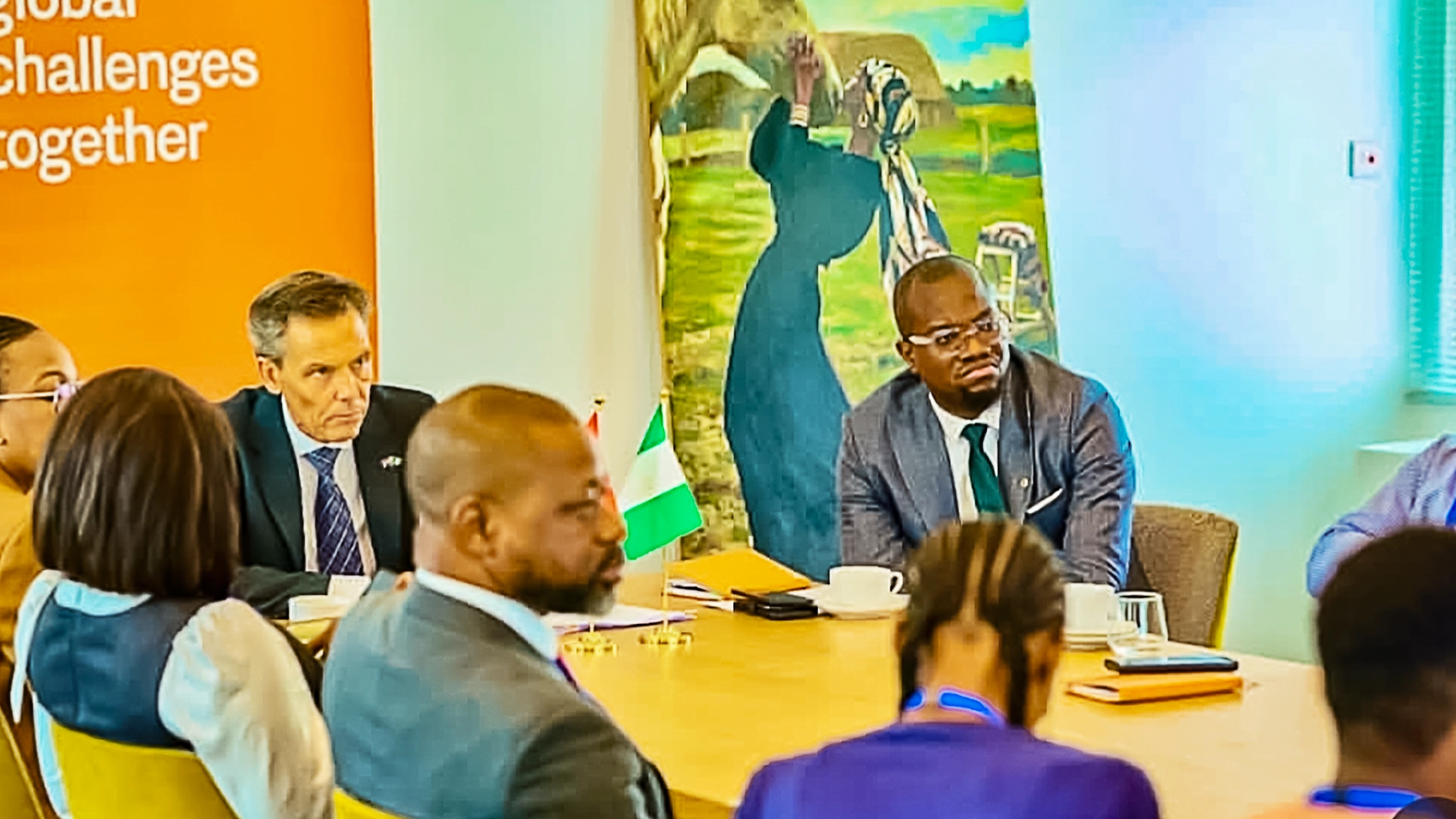
The new Consul-General of the Kingdom of the Netherlands in Lagos, Frank Keurhorst, who has been in the country for seven weeks, said the two countries had significant opportunities to expand economic cooperation, particularly through private-sector partnerships and investments in critical sectors.
Speaking during an introductory meeting with journalists in Lagos, the diplomat described Nigeria as the Netherlands’ largest trading partner in Africa, ahead of South Africa, while noting that the Netherlands was Nigeria’s second-largest trading partner.
He said bilateral trade between both countries averaged €6bn, approximately $7bn, over the last four years, driven largely by oil, cocoa, agricultural products and frozen fish.
The consul-general said the Netherlands was interested in expanding its participation in Nigeria’s agro-industrial value chain, particularly horticultural production and agricultural exports, noting that the sector aligned with the Nigerian government’s economic diversification priorities.
Keurhorst disclosed that the Netherlands had invested €47m in Nigeria’s agricultural sector over the last four years and trained 70,000 farmers in the past three years, while improving access to seeds and planting materials.
According to him, the country will continue to support sustainable agricultural production through partnerships between Nigerian and Dutch companies, particularly in vegetable and potato value chains.
On renewable energy, the diplomat said the Netherlands was exploring opportunities in Nigeria’s solar energy market, drawing on its experience as the European country with the highest number of solar installations per capita.
He disclosed that the Netherlands had launched an initiative in Lagos known as Polar Store, which uses solar-powered technology to improve cold-chain infrastructure for preserving agricultural produce and pharmaceutical products.
He added that the country was also exploring opportunities in solar-powered irrigation pumps, cold storage and other financial instruments to encourage the adoption of renewable energy.
On infrastructure, the consul-general said the Netherlands was interested in participating in the modernisation of Nigeria’s ports, particularly in Lagos, through its expertise in dredging, coastal engineering, port logistics and shipbuilding.
Keurhorst commended the Nigerian government’s decision to renovate the Lagos ports, noting that some Dutch companies, were already active in Nigeria and working with port authorities.
On the circular economy, he said the Netherlands was supporting the development of Nigeria’s circular economy roadmap and had funded the establishment of a circular business platform in Lagos.
According to him, the waste-to-energy project is expected to generate between 60 and 75 megawatts of electricity daily by processing 2,500 tonnes of waste, with the capacity to supply about 40,000 homes.
The diplomat also highlighted the Netherlands’ contributions to job creation and entrepreneurship in Nigeria, disclosing that Dutch-backed initiatives had supported the creation of more than 20,000 direct and indirect jobs through partnerships with Nigerian businesses.
Keurhorst further disclosed that the Orange Corners incubation programme had supported 280 Nigerian startups, generating about 3,000 verified jobs.
Similarly, he said the Challenge Fund for Youth Employment, which co-invested with private-sector partners in employment initiatives, had created 28,000 verified jobs before the programme ended.
The consul-general stressed the importance of youth employment, saying Nigeria’s demographic composition made job creation and youth empowerment critical priorities.
He also acknowledged the challenges confronting Nigeria’s investment climate, including inadequate electricity supply, lack of transparency and insecurity, saying these factors continued to constrain economic growth and investment.
While commending the Federal Government for undertaking economic reforms, including the removal of petrol subsidies, he said sustained macroeconomic reforms were necessary to strengthen the economy and improve the business environment.
He added that the Netherlands was willing to support Nigeria’s economic diversification agenda through partnerships involving businesses, government agencies, knowledge institutions and civil society.