
 Get Guardian on Google
Vice-President Kashim Shettima has challenged state governments across Africa to translate investment opportunities into viable projects, insisting that the continent’s economic transformation depends largely on effective implementation, strategic partnerships and accountability.
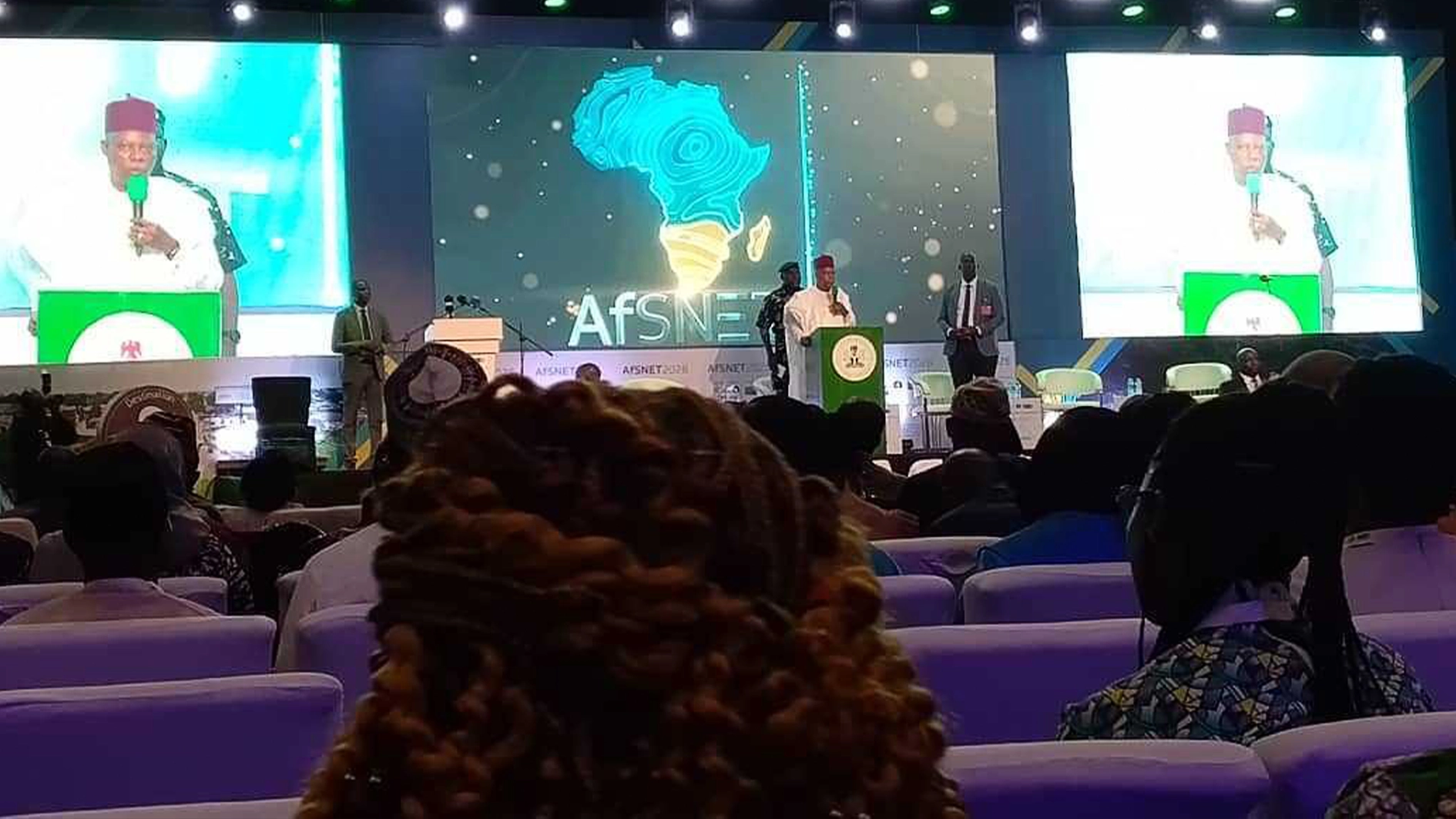
Shettima gave the charge in Calabar Friday while declaring open the 6th African Sub-Sovereign Governments Network Investment Conference (AfSNET 2026), hosted by the Cross River State Government.
The Vice-President said Africa could no longer afford to rely solely on its abundant natural resources without developing the institutional capacity, infrastructure and investment frameworks required to convert them into economic prosperity.
He described the conference theme, The Role of Sub-Sovereigns in Catalysing Development through Trade and Investment, as particularly relevant, noting that economic development is ultimately experienced at the state, provincial and municipal levels.
According to him, roads, electricity, agricultural processing, industrial development and employment opportunities are largely driven by activities at the sub-national level, making state governments critical actors in Africa’s economic transformation.
Shettima said the investment pipeline presented at the conference contained 134 opportunities across 14 sectors, with an estimated value of $9.5 billion.
He identified agriculture, agro-industry, digital technology, energy, healthcare, tourism, manufacturing and infrastructure as some of the sectors offering significant investment opportunities across the continent.
The Vice President urged participating governments to ensure that discussions and investment presentations at the conference translated into concrete partnerships, financial agreements and projects that would create jobs and improve livelihoods.
He also highlighted the importance of the African Continental Free Trade Area (AfCFTA), describing it as a major opportunity for expanding intra-African trade, strengthening regional value chains and building a more integrated continental market.
Shettima noted that achieving the objectives of the trade agreement would require functional ports, reliable electricity, efficient transportation networks, digital infrastructure, industrial parks and competitive businesses.
He maintained that African governments must work together across national boundaries to identify complementary economic strengths and create opportunities for businesses to thrive.
Commending Cross River State for hosting the conference, the Vice President described the state as strategically positioned to contribute to Nigeria’s economic diversification through its agricultural resources, tourism industry, hospitality sector and geographical location.
He particularly highlighted the proposed Bakassi Deep Seaport project, for which Afreximbank has been appointed financial adviser, expressing optimism that its successful development would strengthen maritime connectivity, promote logistics and industrial activities and expand regional trade opportunities.
Shettima urged the Cross River Government to use the conference to deepen investor engagement and advance its priority projects.
He also pointed to Nigeria’s youthful population as a major economic advantage, observing that the country’s relatively young demographic structure positions it to supply a significant proportion of the future global workforce.
According to him, Africa must seize emerging global economic opportunities rather than depend on external assistance, stressing that the continent has the capacity to engage other nations and businesses through mutually beneficial economic partnerships.
The Vice-President outlined three priorities for African governments: investing in projects that generate real economic value, strengthening partnerships between governments and financial institutions, and ensuring accountability through clear implementation timelines and measurable outcomes.
He further stressed that Africa’s development challenges were not simply the result of inadequate resources but also weaknesses in organisation, coordination and resource management.
Shettima cited the Democratic Republic of Congo as an example of a resource-rich country whose enormous natural wealth has not translated into corresponding prosperity because of decades of exploitation and instability.
He expressed confidence that the conference would strengthen investment cooperation, stimulate economic activities and advance Africa’s quest for sustainable development.