
 Get Guardian on Google
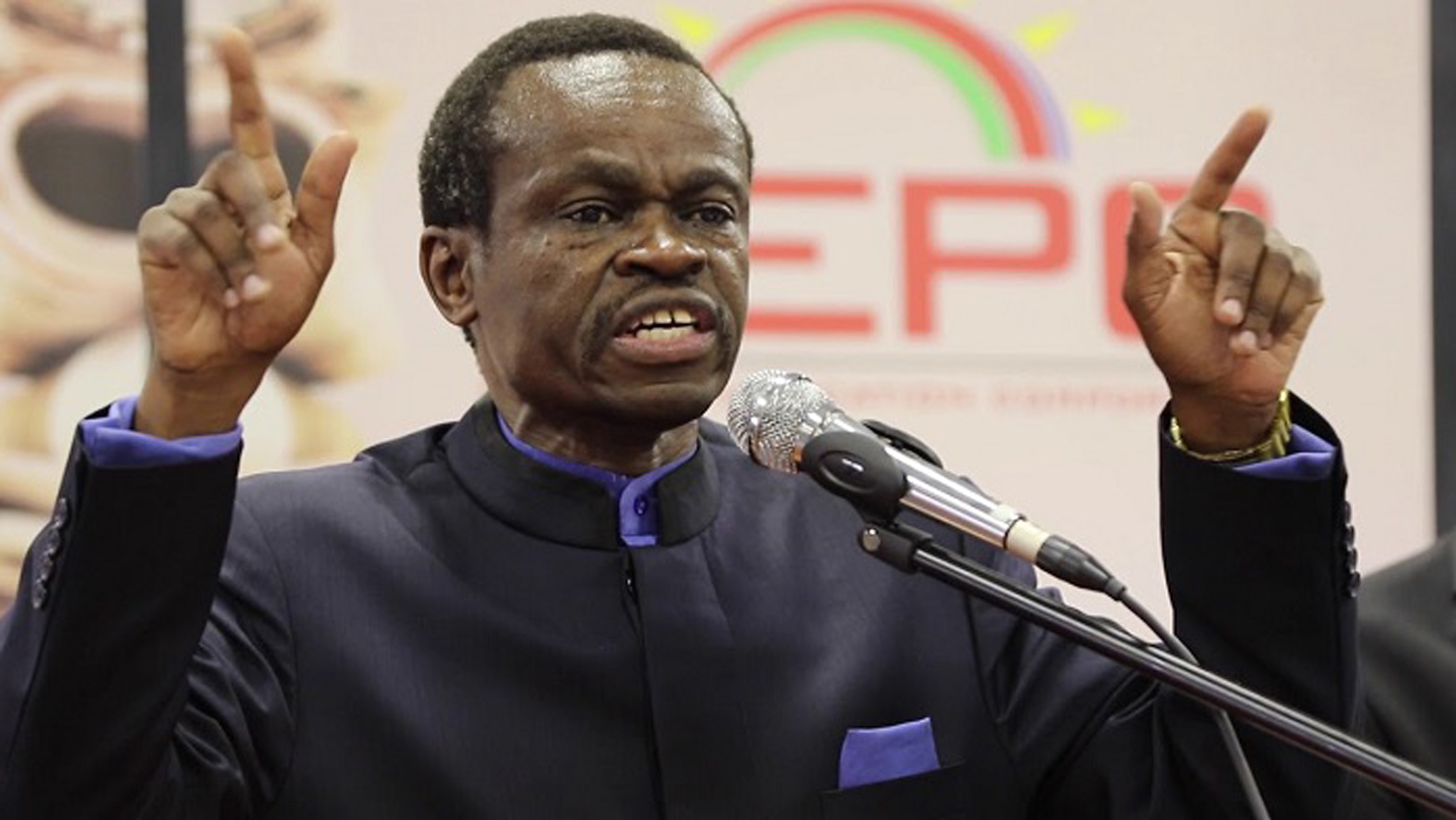
A renowned Kenyan scholar and statesman, Prof. PLO Lumumba, has warned that Africa risks betraying its Pan-African ideals if countries continue to treat fellow Africans as foreigners across colonial borders.
Lumumba disclosed this while delivering a keynote address titled, ‘Africa Must Not Become Foreign to Itself: Xenophobia, Pan-Africanism and the Future of African Belonging,’ at the invitation of The Bridge Club on Thursday in Lagos.
He said the contradiction between the continent’s call for unity and the hostility African migrants face in other African countries threatens the vision of a united continent, stressing that national identity should not undermine solidarity among African people.
He described xenophobia as an ideological contradiction, saying Africans who were once divided by strangers had learnt to regard one another as strangers.
“The great tragedy of African xenophobia is that a people once divided by strangers have learnt to regard one another as strangers,” he said. “Pan-Africanism will remain an unfinished promise for as long as an African can cross a colonial border and suddenly cease to be regarded as a brother or sister.”
He recalled that African leaders, including Kwame Nkrumah and Julius Nyerere, had championed continental unity and declared that colonial boundaries were artificial divisions that should not prevent Africans from coming together.
Lumumba said the African Continental Free Trade Area (AfCFTA) represents the continent’s commitment to integration, but noted that the experiences of African migrants often contradict that ambition.
He cited the treatment of Ghanaians in Nigeria, Nigerians in South Africa, Zimbabweans in Johannesburg and Congolese in other African countries, saying continental brotherhood often collapses under the pressures of nationality, employment and economic competition.
He said Pan-Africanism should not be limited to diplomacy but must be reflected in solidarity among ordinary Africans.
“A Nigerian need not cease being Nigerian in order to recognise a Ghanaian as a fellow African,” he said.
“A healthy patriotism can coexist comfortably with Pan-African solidarity; it is insecure nationalism that requires an outsider against whom national identity may constantly be defined.
He cited Ghana’s 1969 Aliens Compliance Order, which displaced hundreds of thousands of West African migrants, many of them Nigerians, and Nigeria’s expulsions of 1983 and 1985, which forced an estimated two million people, including about 1.2 million Ghanaians, to leave the country.
“The nationality of the stranger had changed, but the political logic had not,” he observed. “Economic difficulty produced fear. Fear searched for an explanation. The migrant provided an easy target.”
On South Africa, Lumumba recalled the support African countries gave the country during its struggle against apartheid, expressing concern that African migrants continue to face hostility.
He referred to attacks on migrants and the activities of Operation Dudula. He also cited a November 2025 ruling by the Gauteng High Court restraining the group from demanding identity documents, intimidating foreigners or blocking their access to healthcare and schools.
He distinguished between xenophobia and the right of countries to regulate migration, enforce immigration laws and control their borders, noting that Pan-Africanism does not mean open borders or immunity from the law.
However, he warned against blaming entire nationalities for unemployment, crime and pressure on public services.
“The danger begins when legitimate concerns acquire a nationality,” he warned. “When unemployment is high, the migrant becomes the face of unemployment. When clinics are overcrowded, the foreign patient becomes the explanation for the weakness of the health system. It is easier to identify a stranger than to repair an economy.”
Lumumba linked xenophobia to Africa’s economic challenges, including the export of raw materials, dependence on imported finished goods, weak industrialisation and the failure to create enough dignified jobs for young people.
Citing Afrobarometer surveys, he said a majority of Africans support freer movement across the continent in principle, while a substantial number prefer fewer foreign job seekers in their own countries.
He said the struggle against xenophobia could not be separated from the need to address Africa’s development challenges.
“The struggle against xenophobia is inseparable from the struggle for African development. A continent that creates too few jobs will continuously generate political temptation to fight over the jobs that exist. The border must cease to be the place where Pan-Africanism ends. It should become the place where Pan-Africanism is tested,” he said.