 Get Guardian on Google
Competitive esports is creating new opportunities for Nigeria’s gaming centres, drawing more customers to local venues while helping players build audiences and commercial identities beyond tournament prizes.
A newly released impact report by Cade Esports on the National eSoccer League and its extension, the Rivalry Series, highlights how organised gaming competitions are connecting neighbourhood gaming communities to a growing regional audience.
The report identifies increased foot traffic at participating gaming centres during competition periods, while its figures point to the growing reach of players and tournaments.
The figures in the report suggest that competitive gaming is creating value beyond the players who compete. Local gaming centres, which serve as entry points for many participants, are also finding a role in the developing esports economy.
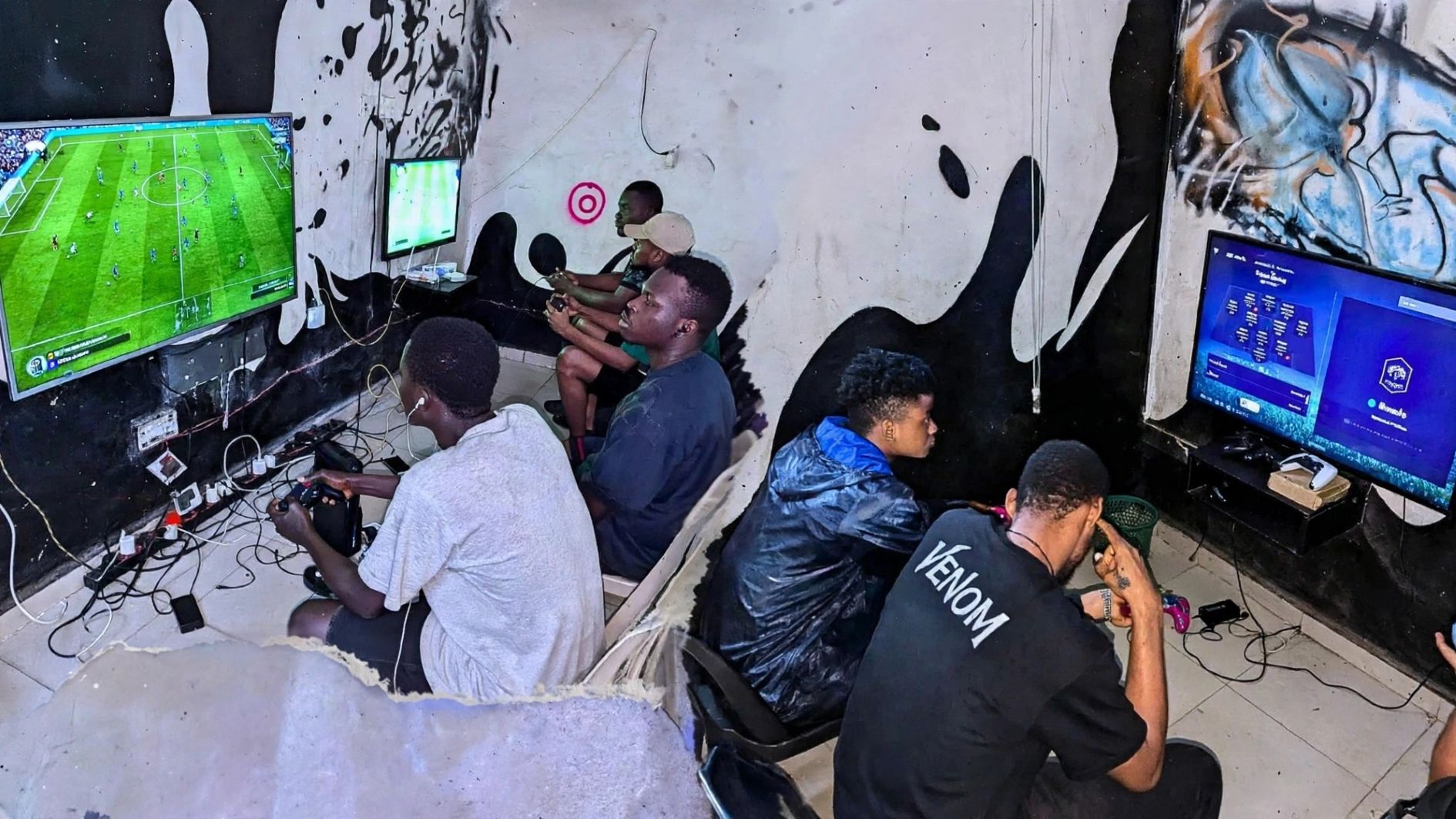
Cade’s Onile system integrates these centres into the league’s qualification structure, allowing players compete from their local communities before progressing to higher levels of competition.
The arrangement also gives supporters a reason to visit the venues, follow fixtures and rally behind players representing their communities.
According to Cade, participating centres experienced increased foot traffic during competition periods as players and supporters gathered around matches.
For centre operators, the potential benefits include more gaming sessions, repeat visits and additional spending on refreshments and other services. It also gives them an opportunity to build stronger communities around players who progress through the competition.
Chief Executive Officer, Cade Esports, Chima Paulson Chima, said the goal is to ensure the growth of Nigerian esports creates value across the entire pathway.
Beyond the gaming centres, the report points to the emergence of player brands as another area of commercial opportunity.
With recurring fixtures, rivalries and player-focused content, the league gives audiences reasons to follow competitors beyond individual matches. This continued visibility can help players develop recognisable identities and attract followers across social media platforms.
Such followings can create opportunities for sponsored content, brand endorsements, appearances and merchandise, giving players potential sources of income beyond tournament winnings.
The league’s regional extension has also widened the platform for emerging talent.
The second season of the Rivalry Series, held on September 4 and 5, 2026, at The Celebr8 Centre in Ikeja, Lagos, brought together competitors from across the region.
Kenya’s Prorate won the competition unbeaten, recording four victories from four matches. Cade’s results deck reported a 500 per cent increase in his following during the series.
The event also received Kenyan television coverage, while esports platforms in Ghana and Senegal amplified its reach. It recorded 1,400 free ticket claims, pointing to interest in experiencing the competition beyond its online audience.
Head of League Structure at Cade Esports, Kunmi Adenipebi, said the league’s development depended on providing players with a clear progression route and giving fans reasons to remain invested.
For potential commercial partners, the structure provides access to different levels of the esports audience, from local gaming communities and online viewers to supporters of individual players and regional tournament followers.
It also creates opportunities for businesses to support talent from grassroots competitions and maintain relationships with players as they progress to bigger stages.
The wider economic chain includes gaming centre operators, event venues, production teams, commentators and content creators who contribute to delivering competitions and sustaining audience interest.
However, the extent to which growing audiences will translate into consistent revenue for gaming centres, sustainable earnings for players and long-term sponsorship deals remains a key measure of the league’s progress.
For now, the report offers an indication of how organised esports could connect local gaming activity to a wider commercial opportunity, with grassroots centres playing a role in identifying and developing the next generation of regional competitors.