
 Get Guardian on Google
The Nigerian Conservation Foundation (NCF) plans to mobilise Nigerians to plant one billion indigenous trees in a single day in a bid to set a new Guinness World Record and restore the country’s forest cover.
The initiative, known as the Asiodu One Billion Indigenous Trees Legacy Project, honours Philip Asiodu, immediate past President of NCF’s Board of Trustees, for his 25 years of leadership and contributions to environmental conservation.
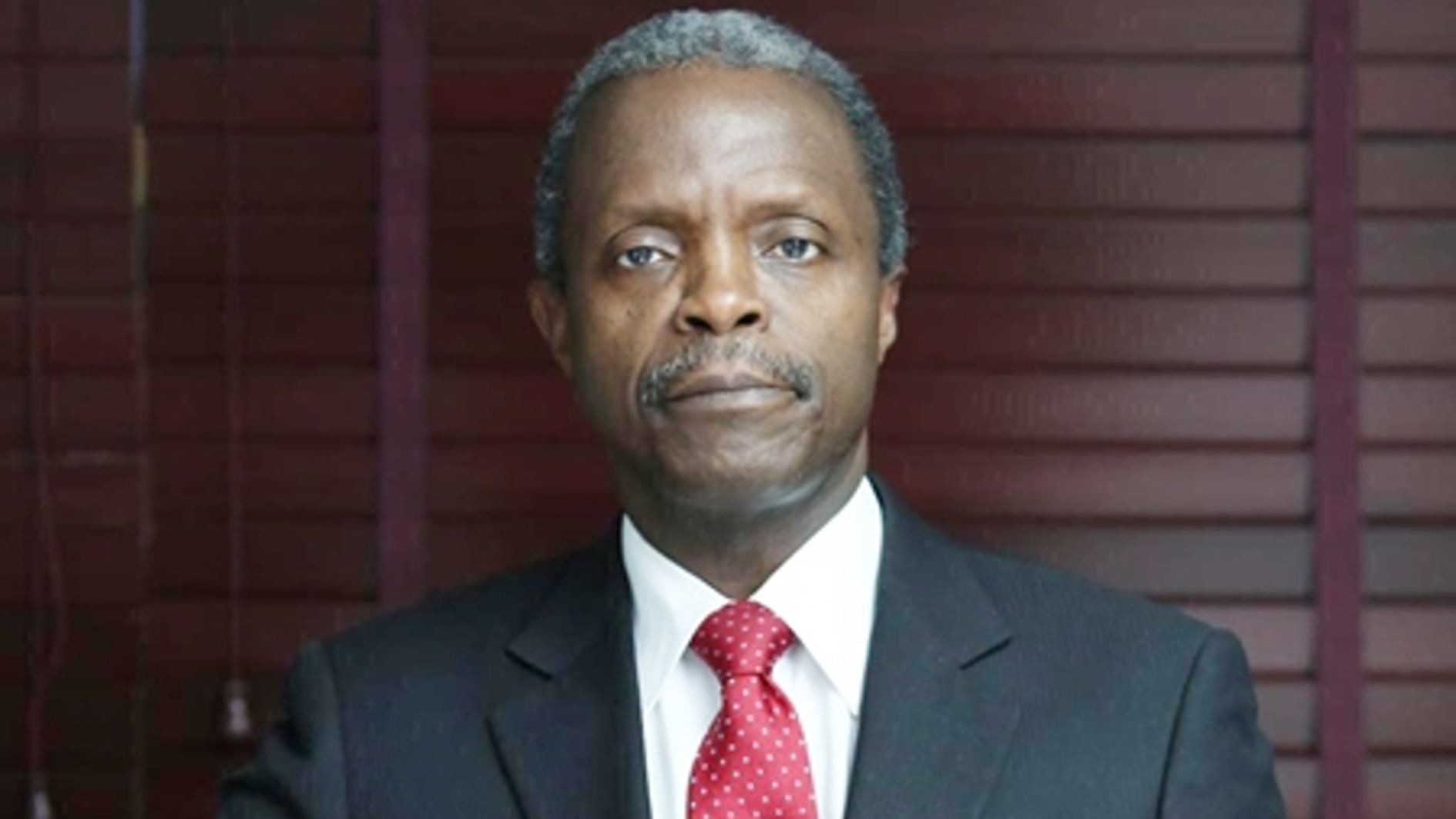
The project was unveiled at NCF’s 2026 Special Celebratory Green Ball and Appreciation Dinner in Lagos, where former Vice President Yemi Osinbajo was formally welcomed as the new President of the foundation’s Board of Trustees.
Speaking at the event, Osinbajo said achieving the target would require the participation of federal and state governments, businesses, development partners, civil society organisations, schools and communities.
He said the foundation deliberately set the target at one billion trees to give the campaign national significance and secure a place for Nigeria in the Guinness World Records. “We decided that we were going to plant one billion trees in one day. Now, some will say, how is that even possible? But we looked at this very carefully,” he said.
Osinbajo cited Ethiopia’s record of planting 385 million trees in one day, noting that the country was planning to raise the figure to 800 million. He said Nigeria would work with Guinness World Records officials from the planning stage to ensure the exercise was verified.
The project will focus exclusively on indigenous tree species, which Osinbajo said were better adapted to Nigeria’s environment and would support the restoration of natural ecosystems. The initiative also supports NCF’s Green Recovery Nigeria vision to increase the country’s forest cover from about seven per cent to 25 per cent by 2047.
Osinbajo recalled Asiodu’s role in conservation, particularly his leadership of the Green Recovery Nigeria initiative launched in 2016 and opposition to the proposed Cross River State superhighway in 2017 over concerns about its impact on forest reserves.
Lagos State Governor, Babajide Sanwo-Olu, commended the initiative, describing forest restoration as a responsibility that should extend beyond individual government administrations.
Represented by the Secretary to the State Government, Bimbola Salau-Hundeyin, he said the project must prioritise the survival of planted trees, protection of indigenous species and restoration of natural habitats.
“Restoration must be more than an aspiration. It must be a deliberate and sustained national commitment that transcends the tenure of any government,” Sanwo-Olu said.
He urged businesses, development partners, community leaders and Nigerians to support the campaign, adding that its success should be measured by restored ecosystems and community participation.
Responding, Asiodu thanked the foundation for the recognition and urged greater attention to nurturing and protecting planted trees. He expressed hope that the project would strengthen efforts to restore Nigeria’s forests.