

 Get Guardian on Google
Faces 613 vessel deficit by 2030
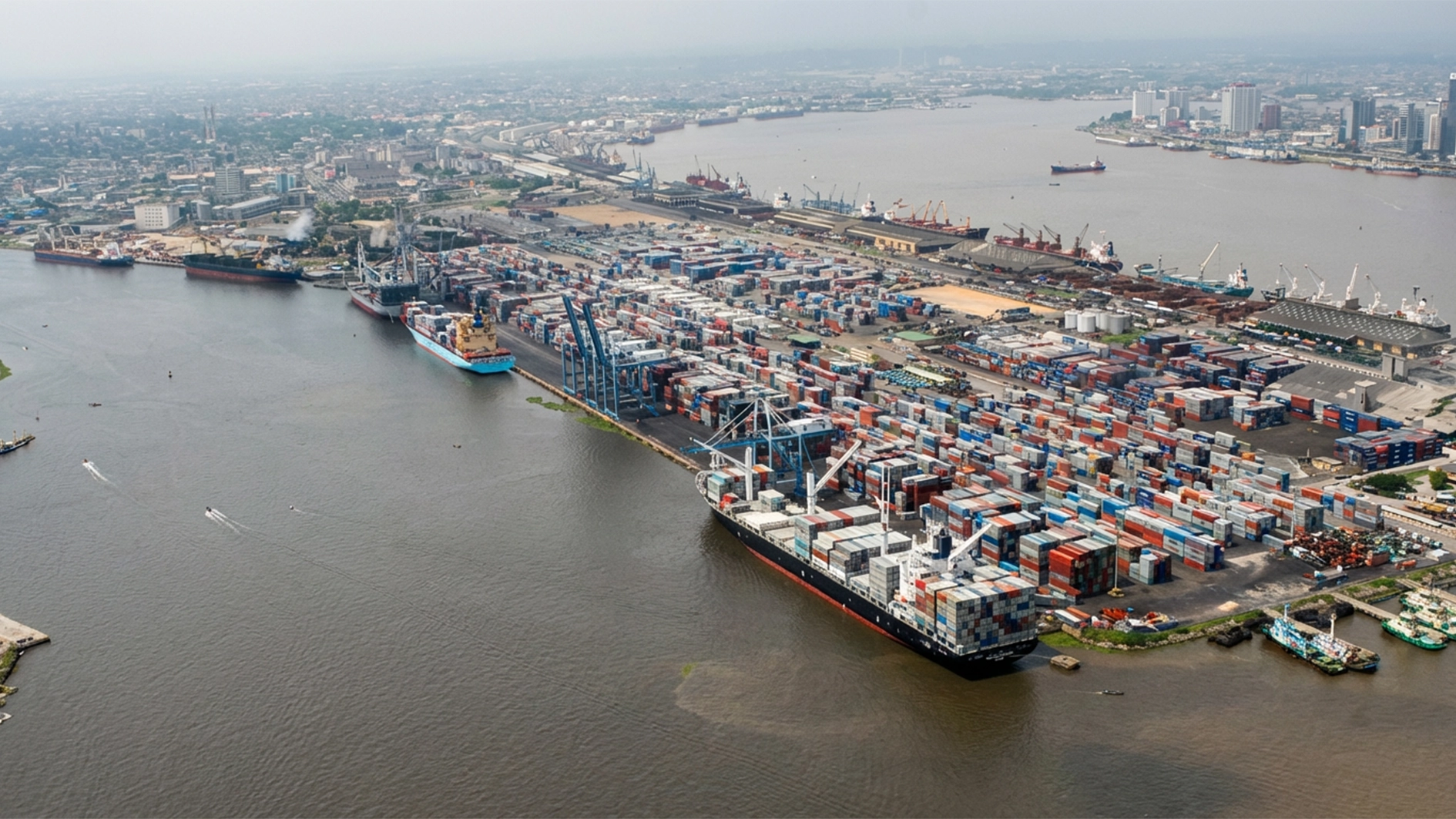
Nigeria loses about $4.5 billion in net transport payments because it relies heavily on foreign shipping services.
The country’s indigenous fleet also faces a shortfall of 613 vessels needed to support the Federal Government’s ambition of building a $1 trillion economy by 2030.
This was disclosed at the national conference of the Network of Nigeria Maritime Journalists, held in Lagos on Friday under the theme, “Seaport Modernisation, Trade Facilitation and Revenue.”
In his paper titled “Can Nigeria’s Seaports Carry a $1 trillion Economy by 2030?” Maritime lawyer and Principal Partner at Akabogu & Associates, Dr Emeka Akabogu, disclosed that Nigeria had 307 indigenously owned ships as of 2025, up from 284 in 2022.
He said the figure was against the estimated 920 vessels needed to support the maritime requirements of a $1 trillion economy by 2030, which leaves a deficit of 613 vessels.
According to the data presented by Akabogu, the number of indigenous ships, at the current growth rate, is projected to reach only 348 by 2030, leaving a deficit of 572 vessels and a shipping capacity significantly below the demands of its economic growth target.
Similarly, he said Nigeria’s flag fleet has a combined capacity of 7.12 million deadweight tonnes (DWT), representing roughly one-third of the 21.4 million DWT estimated to be required to support the targeted economic expansion.
The maritime lawyer further highlighted the financial implications of Nigeria’s dependence on foreign shipping services, putting the country’s yearly net transport payments at about $4.5 billion.
He said the figures raised concerns over Nigeria’s capacity to handle the anticipated increase in cargo volumes as the economy expands, and whether indigenous shipowners would have the capacity to capture a significant share of the projected growth in international trade.
Akabogu’s presentation put seaborne non-oil exports at 6.1 million tonnes in 2024, highlighting the need to expand volumes through more competitive freight services, efficient port operations and predictable regulations.
Akabogu’s recommendations come amid rising activity at the country’s seaports. Cargo throughput increased from 103.6 million metric tonnes in 2024 to 129.3 million tonnes in 2025, while container traffic rose from 1.745 million to 2.193 million over the same period.
Also speaking, former Director General of the Nigerian Maritime Administration and Safety Agency (NIMASA), Temisan Omatseye, cautioned that investments in port development would yield limited benefits without corresponding improvements in road and rail infrastructure to ensure efficient cargo evacuation.
Omatseye said the country’s maritime industry could not function effectively in isolation from other modes of transportation, stressing that delays in upgrading port facilities could undermine the country’s competitiveness in the regional maritime industry.







