
 Get Guardian on Google
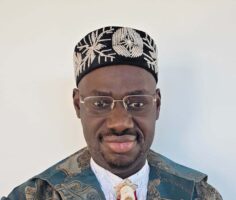
The President of the MAAUN Group of Universities, Professor Adamu Abubakar Gwarzo, has congratulated the Executive Secretary of the Tertiary Education Trust Fund (TETFund), Sonny Echono, following his recognition with The Sun Public Service Personality Award.
Echono received the award at a ceremony in Lagos, where Governor Babajide Sanwo-Olu presented him with the honour.
In a congratulatory message, Gwarzo described the recognition as an acknowledgement of Echono’s contributions to public administration and the development of Nigeria’s tertiary education sector.
He particularly commended the TETFund chief for his involvement in programmes supporting infrastructure, research and academic development in public tertiary institutions.
According to Gwarzo, the recognition should encourage continued attention to the challenges facing higher education in Nigeria.
Speaking on behalf of the MAAUN Group of Universities, Gwarzo said Echono’s work at TETFund had attracted attention because of the agency’s role in supporting tertiary education.
“On behalf of the MAAUN Group of Universities, I wish to warmly congratulate Arc. Sonny Echono on this well-deserved recognition,” he said.
“This award is a testament to his dedication, commitment and outstanding contributions to the development of Nigeria’s education sector and public service.”
Gwarzo said the agency’s interventions under Echono had contributed to efforts to strengthen academic institutions and improve their capacity to deliver teaching and research.
He also referred to institutional reforms and policies introduced during Echono’s tenure.
“His leadership at TETFund has continued to attract commendation across the country, particularly in view of the remarkable interventions, institutional reforms and strategic policies introduced under his administration to strengthen tertiary education, research, innovation and infrastructural development,” he stated.
The university administrator expressed the view that continued investment in education would be important to Nigeria’s long-term development.
TETFund is a federal government agency responsible for providing intervention funding to eligible public tertiary institutions in Nigeria.
Its activities cover areas including physical infrastructure, academic staff development, research, library resources and institutional capacity building.
The agency’s funding interventions are intended to complement other sources of support available to public universities, polytechnics and colleges of education.
Nigeria’s tertiary education system continues to face challenges associated with infrastructure, research funding, access to modern learning facilities and the development of academic personnel.
These issues have increased attention on the management and effectiveness of intervention programmes.
TETFund’s role is particularly significant because it provides dedicated support for projects and activities that institutions may otherwise struggle to finance through their regular budgets.
However, the effectiveness of such interventions depends on factors including project selection, implementation, monitoring and the maintenance of completed facilities.
The agency’s performance is therefore assessed not only by funding approvals but also by the extent to which supported projects improve teaching, learning and research.
The award was presented during an event organised by The Sun newspaper to recognise individuals for achievements in different areas of public and professional life.
Gwarzo said the recognition reflected the importance of public service leadership in addressing national development priorities.
He also expressed hope that it would encourage Echono to sustain efforts aimed at improving higher education.
“This recognition by The Sun is not only a celebration of his achievements but also an encouragement to sustain the good work,” he said.
“I sincerely hope that he will continue to serve our dear country with the same level of sincerity, dedication and commitment towards advancing the education sector and national development.”
Beyond congratulating Echono, Gwarzo’s message drew attention to the relationship between tertiary education and national development.
Universities and other higher institutions contribute to the training of professionals, scientific research, technological development and the preparation of graduates for employment.
Their ability to perform these functions depends partly on the availability of qualified personnel, adequate facilities and sustained research support.
For Nigeria, strengthening tertiary education remains relevant to efforts to develop a more productive economy and expand opportunities for young people.
Research funding is particularly important because it can support investigations into problems affecting agriculture, healthcare, engineering, technology and other sectors.
Similarly, investment in academic infrastructure can improve the conditions under which students and lecturers undertake educational activities.
Gwarzo said Echono’s commitment to research and academic development had contributed to efforts to improve the quality of higher education.
“His commitment to improving the quality of higher education and creating opportunities for research and academic advancement has made a significant impact on the nation’s educational landscape,” he said.
Gwarzo, who heads the MAAUN Group of Universities, said recognition of public officials should also serve as an opportunity to encourage continued service.
He expressed optimism that Echono would remain committed to programmes intended to strengthen Nigeria’s tertiary education institutions.
The university administrator also emphasised the importance of developing a knowledge-driven society, adding that sustained attention to educational development would contribute to the country’s broader economic and social progress.
He concluded his message by congratulating Echono on the award and wishing him continued success in public service.
The recognition comes amid continuing discussions about the funding and development of Nigeria’s tertiary education system, including the need to improve research capacity, infrastructure and the quality of academic training.