
 Get Guardian on Google
The Federal Government is seeking to unlock the employment potential of Nigeria’s automotive industry through a proposed amendment of the automotive industry law aimed at expanding local vehicle production, improving access to funding and strengthening the domestic market.
The reform is expected to stimulate investments in vehicle manufacturing and assembly, develop local supply chains and create employment opportunities across the automotive industry and related sectors.
The Minister of Industry, Trade and Investment, Dr Jumoke Oduwole, disclosed this at the opening of the 26th Abuja International Motor Fair in Abuja, describing the automotive industry as a major platform for industrialisation, job creation and economic growth.
She said the government was committed to ensuring Nigeria maximises opportunities in the automotive sector, particularly through improved legislation, access to finance, and stronger integration into the African market.
According to her, reviewing the existing automotive industry law is necessary to align the sector with contemporary realities, address funding constraints facing manufacturers, and improve citizens’ capacity to purchase locally produced vehicles.
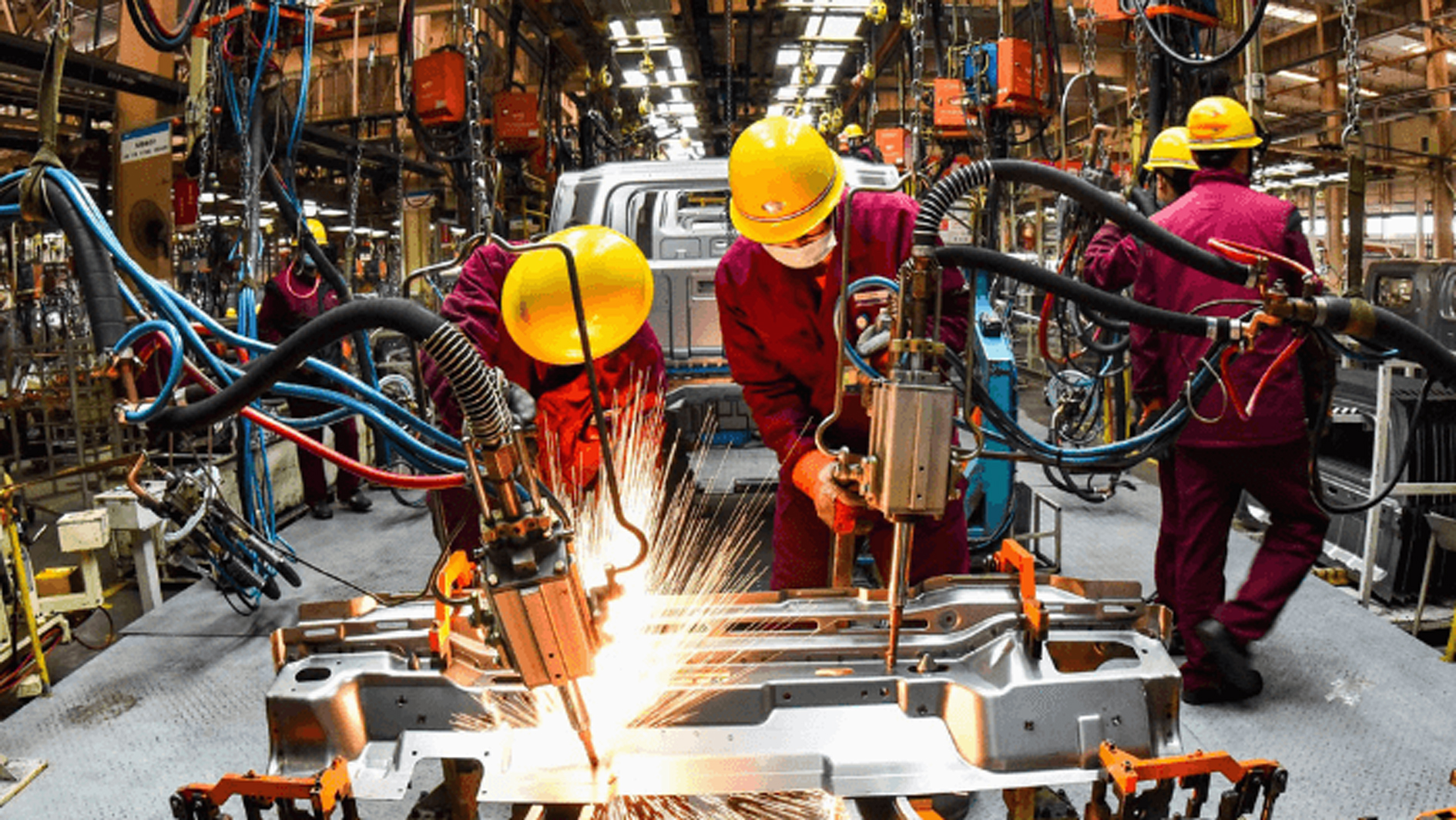
Oduwole noted that expanding domestic vehicle production would generate employment beyond vehicle assembly, creating opportunities across the solid minerals, iron and steel industries and other segments of the manufacturing value chain.
She said the government was also working to leverage the automotive industry agenda under the African Continental Free Trade Area (AfCFTA) to provide Nigerian manufacturers with access to a wider continental market.
“Beyond the Nigerian market, we are also going to support you to interconnect with the African market and the value chains that exist on the continent, so that Nigeria can take a prominent role,” she said.
The minister added that the government wanted Nigerians to have access to quality vehicles while creating an enabling environment for the automotive industry to become more sophisticated and competitive.
Earlier, the Director-General of the National Automotive Design and Development Council (NADDC), Oluwemimo Osanipin, called for a modern legal framework to address the industry’s emerging challenges, expand local production, and improve access to vehicles manufactured in the country.
He said the sector also required policies that would enable Nigerians to purchase locally produced vehicles and encourage the development of a sustainable spare-parts market to meet the needs of ageing vehicles.
Osanipin reaffirmed the council’s commitment to developing Nigeria’s automotive industry to its full potential, commending the Federal Government for supporting efforts to strengthen domestic production capacity and meet the country’s vehicle demand.
The 26th Abuja International Motor Fair attracted vehicle manufacturers, assemblers, investors, policymakers, government representatives and other industry stakeholders to showcase innovations, explore investment opportunities and strengthen partnerships for the growth of Nigeria’s automotive sector.