

 Get Guardian on Google
Why opposition may struggle to unseat Tinubu in 2027, by ex-Gov Fayose
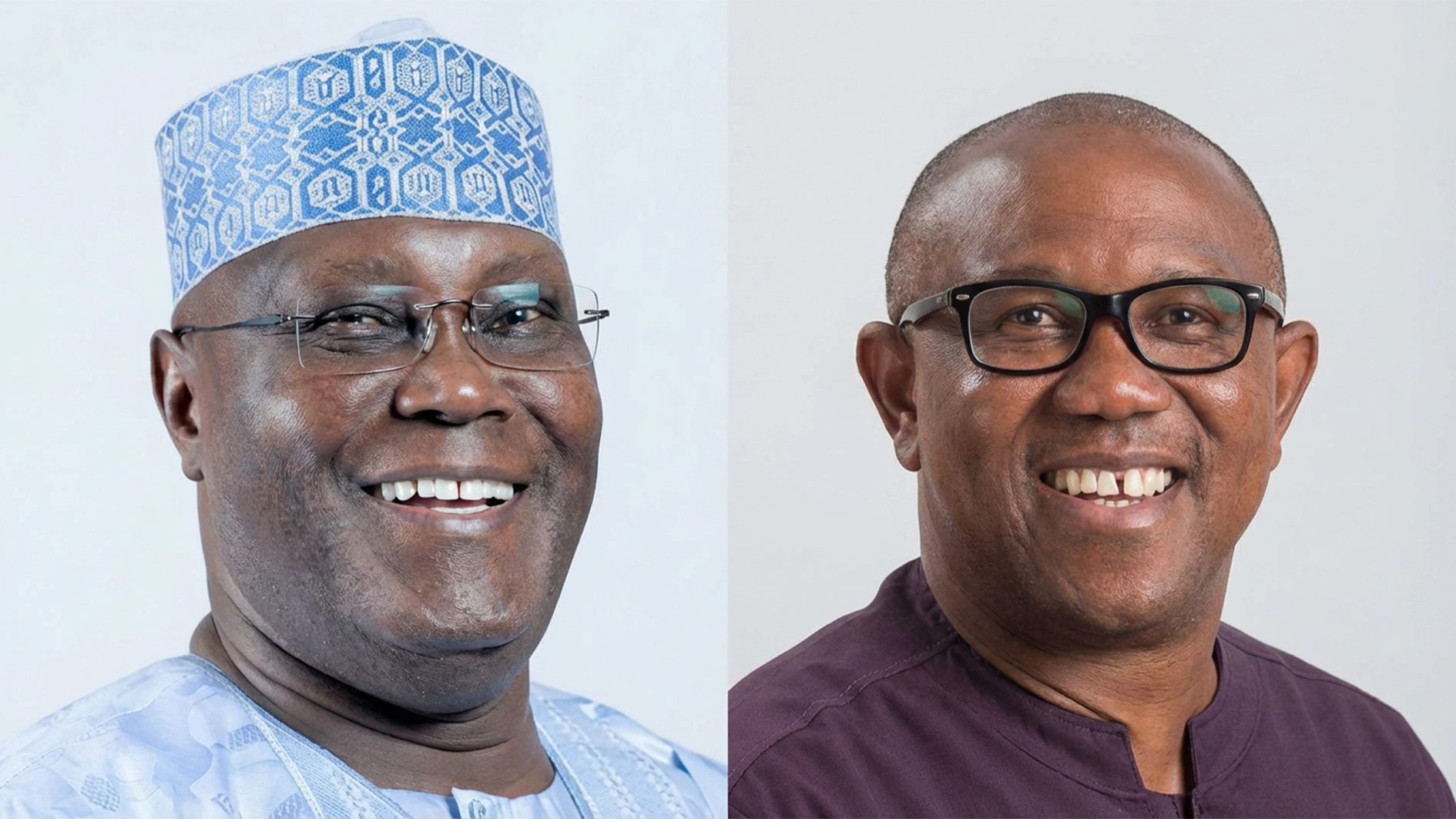
Presidential candidates of opposition parties, including Atiku Abubakar of the African Democratic Congress (ADC), Peter Obi of Nigeria Democratic Congress (NDC) and Seyi Makinde of Allied Peoples Movement (APM) are expected to meet again in Abuja on Monday, November 23, to sign a Covenant for Democratic Renewal.
But former governor of Ekiti State, Ayodele Fayose, doubts opposition parties’ ability to defeat President Bola Tinubu in the 2027 general election, arguing that an incumbent administration could not be easily removed from power.
The Coalition for Democracy, in a statement signed by Salihu Lukman, disclosed that the Second Summit of Nigeria’s Opposition Political Parties would see participating parties “formally adopt and sign a historic Covenant for Democratic Renewal, marking a decisive step towards a united, credible and purposeful democratic opposition.”
The summit follows the First Summit of Opposition Leaders, convened by the G100, in collaboration with the House of Representatives Minority Caucus, at the Yar’Adua Centre, Abuja, on August 31, 2026.
The coalition said working groups drawn from the participating parties had since “worked diligently to translate our shared convictions into three foundational documents: the National Covenant for Democratic Renewal, the Framework for Opposition Unity, and the National Reform Programme”.
The statement reads: “On November 23, the parties will formally receive these documents, adopt them and append their signatures to them. What began as a shared recognition of the challenges confronting our democracy will become a collective commitment to addressing them.”
On why this latest effort should be different, the statement added: “In the past, opposition cooperation has too often rested on personal understandings that did not survive thepolitical circumstances that brought them about. This time, we have chosen to build on a different foundation.
“Opposition parties are putting their commitments in writing, institutionalising our cooperation, and establishing principles that must outlive both the moment and the personalities.”
FAYOSE also urged Nigerians to begin conversations about who should succeed Tinubu in 2031, insisting that the country should allow the South to complete its tenure before power returns to the North in line with the country’s political understanding.
The former governor, who spoke in an interview on TVC News yesterday, said opposition politicians seeking to challenge Tinubu should first put their political structures in order rather than rely on criticism of the President or on forming alliances.
He said: “No Nigerian President will be removed cheaply. Yes, it happened in the days of Jonathan, but it is not common. You cannot just wish a sitting government out of power because you want to take over.”
Fayose, who has repeatedly declared his support for Tinubu’s re-election, said the President had recorded some improvements in the economy, particularly in the exchange rate, although he acknowledged that the administration was not perfect.
The chairman of the Rural Electrification Agency (REA) also defended the removal of fuel subsidy, arguing that the resources saved could be channelled towards meeting government obligations, including the payment of salaries, rather than allowing a few privileged individuals to benefit from the system.
He challenged opposition politicians criticising the policy to clearly state whether they would reverse it if elected, describing what he considered their inconsistent positions as part of the politics of winning elections.







