 Get Guardian on Google
An emotional support dog does not require any specific training, but what matters most is its temperament. A dog that is calm, affectionate, and able to tune in to its owner’s mood without needing constant direction is the best choice.
The tricky part is that breed popularity and suitability don’t always line up. A dog everyone recognises as a “family favourite” isn’t automatically the right fit for someone managing anxiety, depression, or PTSD.
A less commonly recommended breed might outperform it depending on your living situation, your daily routine, and the specific kind of support you need.
Here is the breakdown of some of the best dogs for emotional support.
Golden Retrievers and Labrador Retrievers
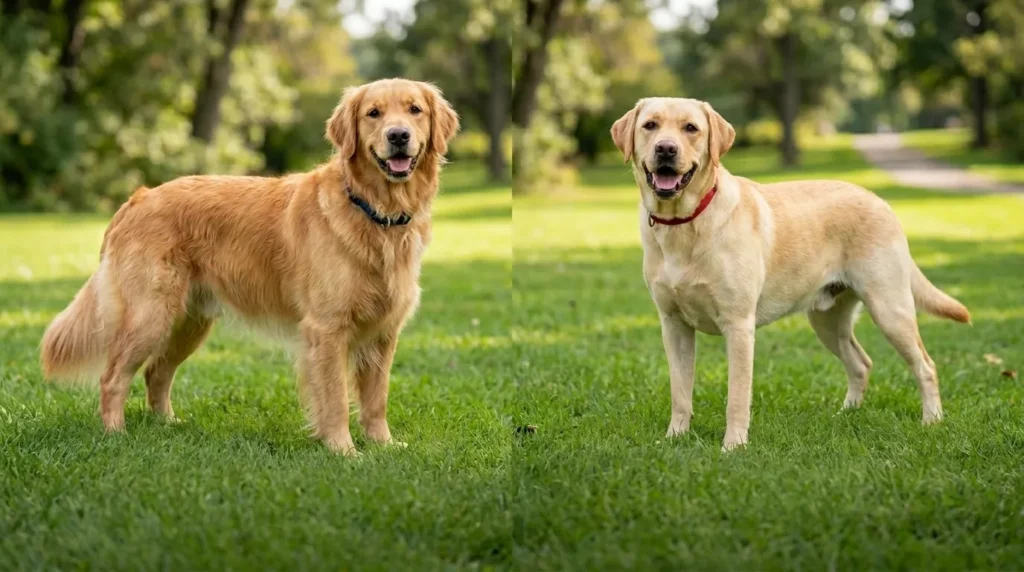
Golden retrievers and Labrador retrievers exhibit an even temperament, are quick to bond, and have a lower tendency toward reactivity or aggression. They can read a room well and adjust their energy to their owner’s, not the other way around.
The trade-off with Goldens and Labs is space and exercise requirements. Neither breed does well in small spaces with little to no activity, so they are better suited to a house or a routine that enables an active lifestyle.
German Shepherds
German Shepherds are less commonly recommended for ESA work, but are particularly well suited to someone dealing with anxiety tied to safety concerns or PTSD. When properly socialised, they are extremely loyal, highly trainable, and naturally protective without being aggressive.
Their protective instinct offers therapeutic value as well. Some people manage anxiety more effectively with a dog that visibly watches their environment.
They do require more structure than a golden or a Lab. Without consistent training and mental stimulation, their intelligence and drive can turn into destructive boredom instead of calm alertness.
Beagles
Beagles are food-motivated, which makes training and connection almost effortless. They bond quickly to their owners and are sturdy and adaptable. Beagles do not require the same space commitment as larger breeds, making them a solid option for someone who wants a smaller dog.
The only limitation is their strong tendency to follow scents. A beagle left unattended outdoors tends to wander after a scent trail, so recall training matters more here than with most breeds.
Bichon Frises
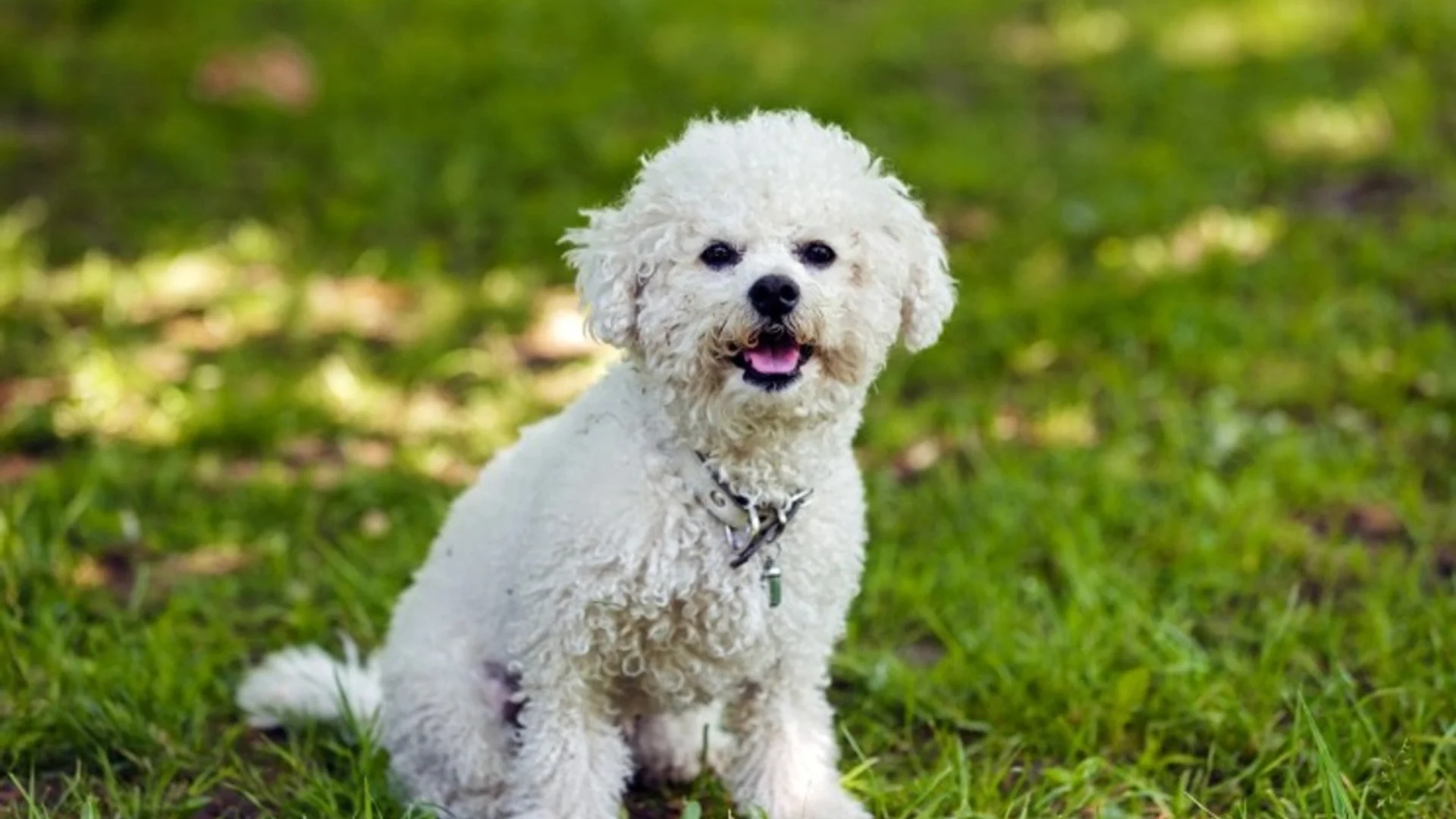
The bichon frise is an underrated pick for emotional support specifically. They are cheerful, low-shedding, and they long for close physical affection; they’re a breed that wants to be near you, not just in the same room. Their small size makes them portable and manageable in almost any living situation, apartments included.
They also tend to be resilient with routine changes, which matters if your schedule or mood fluctuates in ways that would stress a more routine-dependent breed.
Pomeranians and Chihuahuas
Both Pomeranians and Chihuahuas bond intensely with one person, sometimes to the exclusion of everyone else, which is exactly what some people are looking for in an emotional support animal: a dog that’s unmistakably, specifically yours.
They’re small enough to travel easily and require minimal exercise, making them practical for smaller living spaces or owners with reduced mobility.
The intensity of that single-person bond can be a downside in a multi-person household, since these breeds sometimes show possessiveness or anxiety when their one person isn’t around.
Boston Terriers
Boston terriers are a balanced option because they are people-oriented without being needy and adaptable to apartment living. They are also low-maintenance when it comes to grooming.
They read as more independent than a golden, which suits someone who wants companionship without a dog that requires constant reassurance or attention.
Best Dogs for Emotional Support: Matching Temperament to Your Life
Breed traits are a starting point, but not a guarantee. An individual dog’s temperament varies within every breed, so meeting the specific animal, whether through a breeder, shelter, or rescue, tells you more than any general reputation.
Be practical when matching the breed’s needs to your daily routine. Ensure you can provide appropriate exercise, space, and time alone for your dog.
If you’re exploring whether a legitimate ESA letter is the right next step, US Service Animals walks through what a real evaluation involves and what to expect from the process.
Best Dogs for Emotional Support: The Best Emotional Support Dog for You
Golden retrievers and Labs remain the safest, most broadly reliable picks. German shepherds suit anxiety tied to safety needs. Beagles and Boston terriers work well for moderate space and moderate independence. Bichons, Pomeranians, and Chihuahuas fit smaller spaces and closer, single-person bonds.
The right choice depends on your specific living situation, the kind of support you require, and, most importantly, the temperament of the dog you are considering.