 Get Guardian on Google
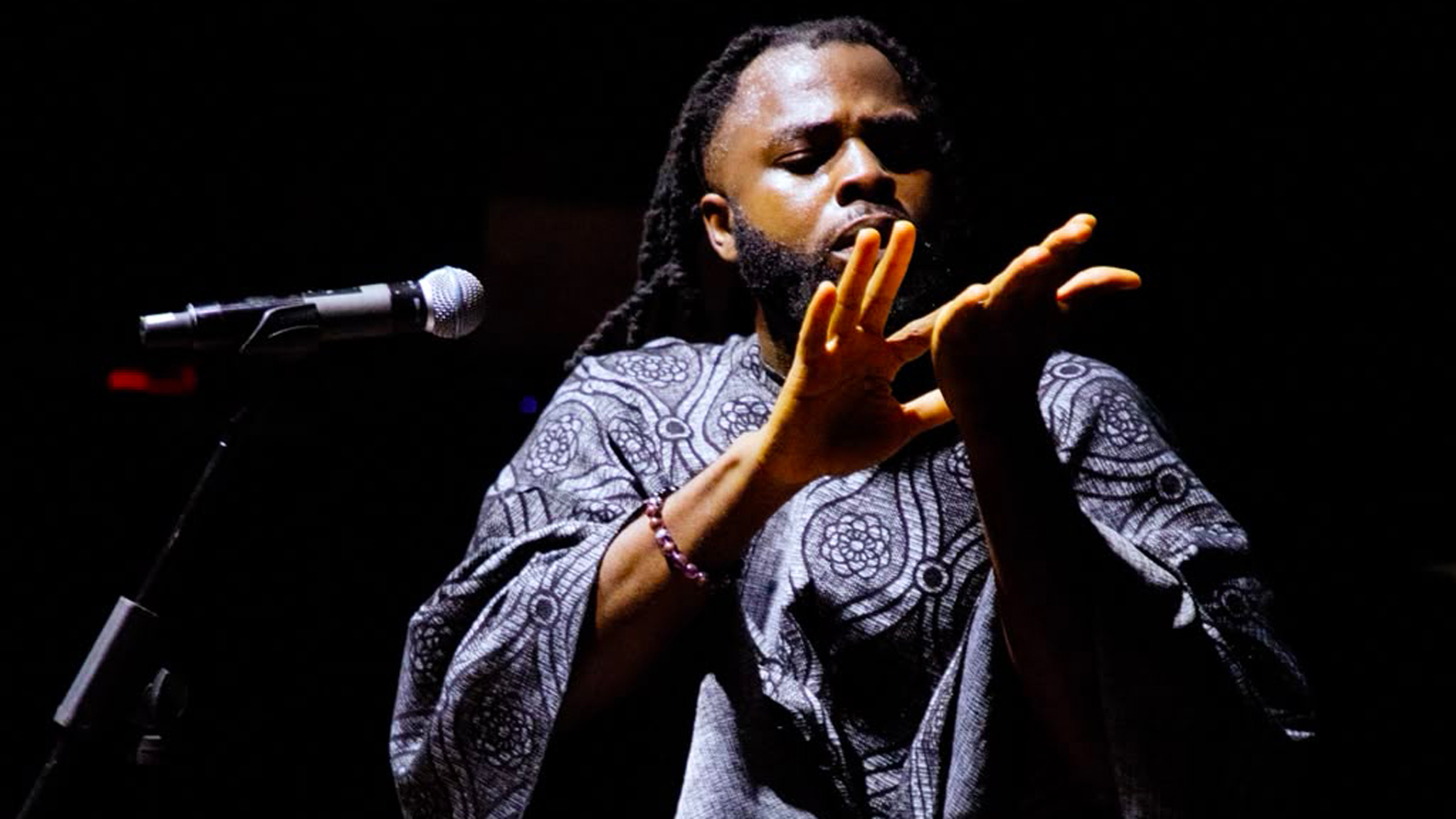
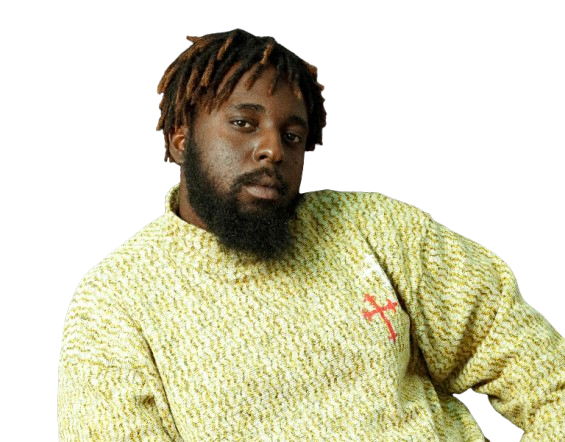
For Nigerian jazz musician The Salako, the future of African jazz lies in creating more opportunities for musicians to thrive, both within the continent and internationally. As an artist whose musical identity is rooted in African storytelling, improvisation and cultural heritage, Salako has continued to explore the possibilities of jazz as a medium for preserving traditions, expressing contemporary realities and connecting cultures.
Beyond his own musical pursuits, The Salako is also contributing to the development of Nigeria’s jazz ecosystem through his involvement as artistic director of the Abuja International Afrojazz Festival. This year’s edition introduces the Abuja Afrojazz Professional Music Market, an initiative designed to connect African musicians with festival directors, booking agents and other industry professionals. In this interview with Guardian Music, he discusses his journey, the state of Nigerian jazz, his creative process, upcoming music and his ambitions for the future of African jazz.
You’re one of the prominent voices representing this year’s Abuja International Afrojazz Festival. What does this responsibility mean to you personally, and how does it connect with your own journey as an African jazz musician?
For me, it’s both a privilege and a responsibility, and one that is personal. My journey as an African jazz musician has always been about finding my own voice while staying connected to my African roots. I’ve always believed that our music has so much to offer the world, not just in terms of its rhythms and sounds, but also the stories, experiences and identities behind it.
The Abuja International Afrojazz Festival is really an extension of that belief. Over the years, I’ve come to understand that making good music is one thing, but creating the right platforms for that music to be heard, appreciated and given opportunities to grow is equally important.
So, being part of this year’s festival, both as an artist and as someone helping to build the platform, means a lot to me. It’s an opportunity to contribute to something bigger than my own music, to connect cultures, open doors for other artists and show that African jazz deserves a strong place in the global music conversation.
Your music draws heavily from African jazz, improvisation and storytelling. How did your relationship with jazz begin, and what experiences have shaped your musical identity over the years?
My relationship with jazz has been a journey of discovery and growth. I’ve always been drawn to music that allows freedom of expression, and jazz gives me that space to explore, experiment and tell stories through sound.
Storytelling is an integral part of traditional African music, so for me, it comes naturally. It’s not just about creating a musical narrative that projects my culture, but also about continuing a tradition I grew up knowing. Our music has always been a way of sharing experiences, preserving memories and passing on knowledge, and I see myself as part of that continuing story.
I also find a very interesting connection between jazz and life itself. Life is improvised. None of us knows exactly what will happen in the next ten minutes or how things will unfold, yet we constantly respond, adjust and find our way as we go along. Jazz is very much the same.
We improvise within and sometimes outside the confines of musical structure, listening, responding and creating something in the moment.
That’s one of the things I love most about it.
Over the years, performing and collaborating with musicians from different backgrounds has helped shape my musical identity. These experiences have taught me to be open to new sounds and ideas while remaining grounded in my African roots.
Today, I see my music as a conversation between my heritage, my experiences and the world around me. I don’t believe I have to choose between being African and being a jazz musician. For me, both identities complement each other beautifully, and that is where I continue to find my voice.
Jazz has a fascinating history in Nigeria, from its early pioneers and experimental instrumentalists to today’s emerging generation. How would you describe the current state of Nigerian jazz, particularly its relationship with younger audiences?
When it comes to younger audiences, I don’t necessarily think there is a lack of interest in jazz. I think there’s a gap in exposure and accessibility. Many young Nigerians already enjoy music that contains elements of jazz, even if they don’t recognise it as such. You hear these influences in alternative music, neo-soul and other contemporary sounds.
For me, the question is how we introduce jazz to younger audiences in ways they can connect with, without necessarily watering down its identity. We need more live performances, collaborations across genres, educational opportunities and spaces where young people can experience the music firsthand.
The Abuja International Afrojazz Festival brings together musicians, cultural enthusiasts and industry professionals. What makes this year’s edition particularly significant, and what should audiences expect from your involvement?
This year’s edition is particularly special because we’re taking a major step beyond just presenting great music. For the first time, we’re introducing the Abuja Afrojazz Professional Music Market, bringing together festival directors, booking agents, promoters and other music industry professionals from across Africa and Europe.
For me, this is a significant development because I’ve always believed that while it’s important to create platforms for musicians to perform, it’s equally important to create opportunities for their music to travel beyond those platforms.
We’re also welcoming an exciting mix of artists from different countries, bringing their unique musical identities and influences to Abuja. Beyond the concerts, there will be industry conversations, workshops, showcases and opportunities for artists to build meaningful professional relationships. It’s really about creating an experience that goes beyond the three days of the festival.
As for my own involvement, I’ll be wearing two hats, as a musician and as the festival’s artistic director. Both roles are very personal to me. I’m excited about sharing my music with the audience, but I’m equally excited about the connections and opportunities we hope to create for other artists.
Ultimately, I want people to leave this year’s festival not only with memories of great performances, but also with a greater appreciation of the richness of African music and the possibilities that exist when we connect our cultures through music.
Improvisation is central to your artistic identity. When you’re performing, how much of your music is planned, and how much happens spontaneously? Can you recall a performance where improvisation completely changed the direction of the music?
Most of my performances are planned, but I always leave some room for the unexpected, depending on the kind of event and the musicians I’m playing with. There are songs I’ve written with a particular structure, and we love playing them just the way they were composed. Then there are songs like Dagunro, where I deliberately leave the door open for a little musical adventure. That’s usually where the fun begins!
For me, improvisation is about having a conversation through music. One musician throws in an idea, another responds, and before you know it, everyone is heading somewhere nobody planned to go. Sometimes I even find myself thinking, “Okay, where are we going with this?” But that’s part of the excitement. You must trust the musicians around you and enjoy the journey.
I remember performing at Alliance Française in Lagos in May 2025, and also during my West African tour with Peemai from France. We had some beautiful moments where a musician’s improvisation completely changed the direction of the music, and the rest of us just followed along, adding our own ideas as we went.
Those moments are special because you’re creating something together that may never happen the same way again.
It could also be tricky at times. If you’re not listening to one another, things can go south very quickly. Improvisation requires discipline, sensitivity and knowing when to step forward or simply give someone else the space to shine. It’s not always about how much you can play; sometimes knowing when not to play is just as important.
And I think that’s what I love about jazz. We may know where the music starts, but we don’t always know where it will take us.
Your music also explores storytelling and African cultural identity. How do you translate personal experiences, heritage and contemporary African realities into your compositions? Are there particular stories you’re currently interested in telling through music?
I’ve always loved stories, especially the ones that people don’t talk about enough. I think there are so many experiences around us that deserve to be heard, and sometimes music gives us a way to start conversations that we might otherwise avoid.
Storytelling has always been an important part of African culture. Growing up, stories weren’t just told for entertainment; they carried lessons, wisdom, warnings and sometimes a little humour. So when I compose, I naturally find myself drawing from that tradition.
I like to take everyday experiences, things I’ve witnessed, conversations I’ve had or even stories from our history, and find a way to express them through music.
Take my new song, Ile Wa Dun, which I’m about to release, for example. It explores the realities of being a man, particularly the struggles, pressures and responsibilities that many men carry but rarely talk about.
Society often expects men to have everything figured out, to be strong and to keep moving regardless of what they’re going through. But who checks on the man who is expected to check on everyone else? That’s one of the conversations I want the song to open up.
Then there’s Wande, where I explore deceit, lies and the consequences of our actions, drawing inspiration from the biblical story of Cain and Abel. It’s an old story, but the emotions and human behaviour behind it are still very relevant today. I find that fascinating, how a story told thousands of years ago can still reflect the realities of our lives.
For me, the challenge is finding the right musical language for each story. Sometimes it’s in the lyrics, sometimes it’s in the rhythm or melody, and sometimes the instruments themselves say things that words cannot quite express.
I’m particularly interested in telling stories about the everyday African experience, our struggles, contradictions, relationships, hopes and even the things we would rather keep quiet about.
I don’t think every song has to provide an answer. Sometimes, if the music gets someone to listen, reflect or ask a question they hadn’t considered before, then I’ve achieved something meaningful.
Beyond the performances, the festival features workshops and professional networking opportunities. How important are platforms like this for developing Nigeria’s jazz ecosystem, and what opportunities do you think remain largely unexplored for African jazz musicians?
I think platforms like this are extremely important, and I say that not just as a festival director but as a musician who understands some of the challenges of trying to build a career in this part of the world.
We have incredibly talented musicians in Nigeria, but talent alone can only take you so far. There is a whole ecosystem that needs to exist around the music: promoters, booking agents, managers, venues, festivals and people who understand how to turn artistic potential into sustainable careers. Unfortunately, many of these structures are either still developing or not sufficiently connected.
One thing I’ve come to appreciate through my participation in international music gatherings like jazzahead! in Germany and Jazz à Vienne in France is that sometimes the difference between an artist who gets heard internationally and one who doesn’t is simply access to the right people and opportunities.
You could be making fantastic music, but if nobody outside your immediate circle knows you exist, how far can that music really travel?
That’s part of what we’re trying to address with the Abuja Afrojazz Professional Music Market. We want to bring some of those conversations and connections closer to home, so that Nigerian artists don’t always have to travel thousands of kilometres just to meet a festival director, understand how international bookings work or learn about opportunities beyond our borders.
As for unexplored opportunities, I think there’s enormous potential in building stronger touring circuits within Africa itself.
We often talk about taking African jazz to Europe and America, which is important, but what about creating more opportunities for a Nigerian artist to tour Senegal, Benin, Togo, Ghana or South Africa? We have so much musical diversity on this continent, yet we still don’t collaborate and exchange nearly as much as we could.
I’m also excited about the possibilities of artistic residencies, cross-border collaborations and bringing traditional African instruments and musical expressions into new jazz conversations.
Ultimately, I would love to see a time when African jazz musicians don’t have to look outside the continent for every opportunity to grow. We should be able to build a thriving ecosystem here, while remaining connected to the rest of the world. And I believe platforms like ours can help make that happen, one meaningful connection at a time.
Looking beyond the festival, what are your biggest ambitions for your music? Are there new projects, collaborations or sonic directions you’re exploring, and what kind of legacy would you like The Salako to leave within African jazz?
My biggest ambition is to keep pushing the boundaries of my music without losing the essence of who I am. I’m fascinated by the possibilities that exist when African musical traditions meet jazz and other sounds from around the world. I want to explore those possibilities through new collaborations, compositions and stories that challenge how we experience African music.
But beyond making great music, I’m interested in making a difference. I want my journey to open doors for other African musicians and inspire them to see their heritage not as a limitation, but as an endless source of creative possibilities.
If there’s a legacy I’d like The Salako to leave, it’s not just a catalogue of beautiful music, but a reminder that we can take our roots anywhere in the world without losing ourselves.
I want to leave behind more than music. I want to leave behind possibilities.