
 Get Guardian on Google
Scholars have argued that foreign solutions alone cannot secure Nigeria and Africa at large, stressing that the continent’s indigenous knowledge, community wisdom and traditional systems remain vital to achieving lasting peace and sustainable governance.
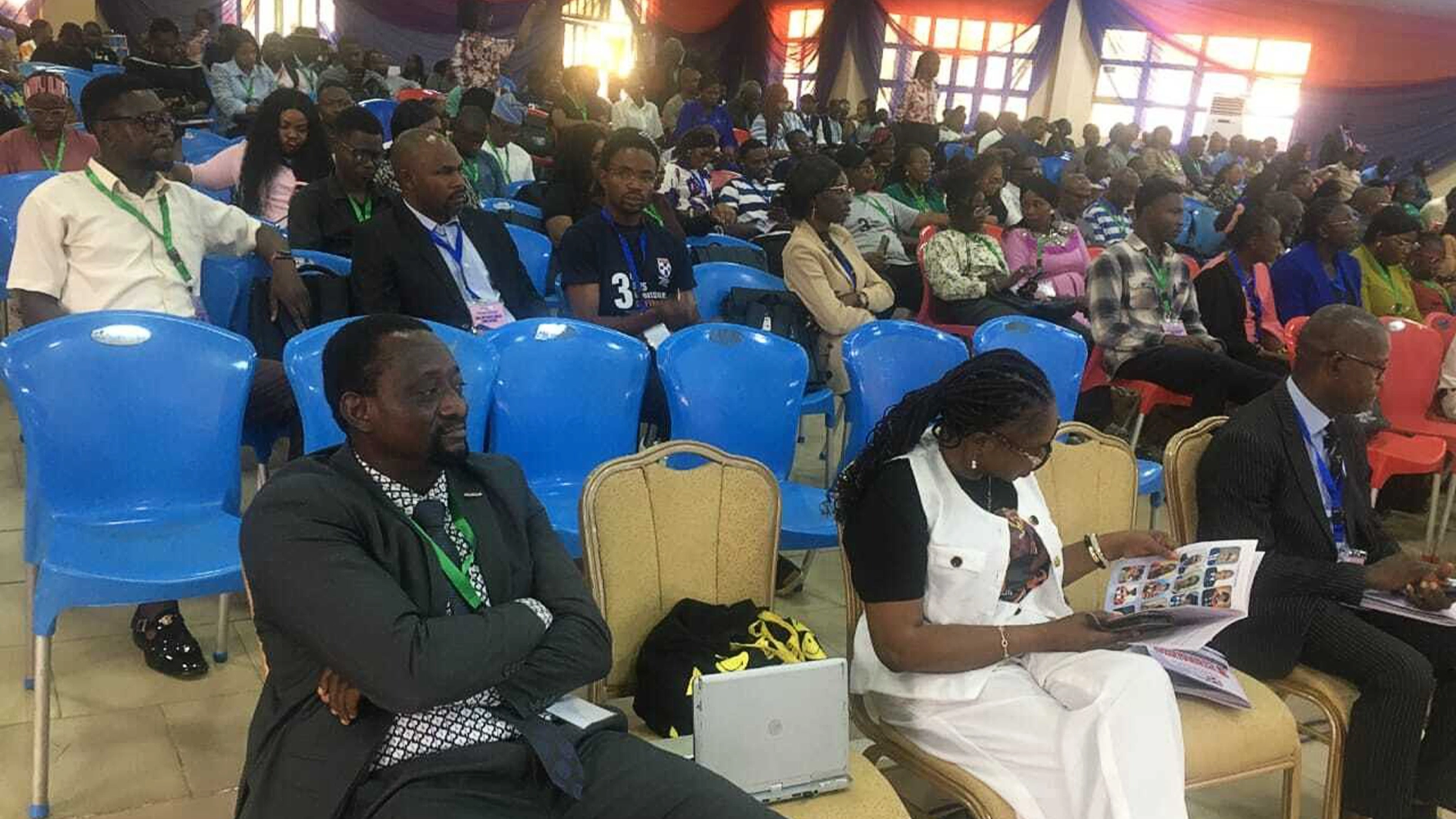
The argument dominated discussions at the third International Conference of the College of Social and Management Sciences (CSMS), Afe Babalola University, Ado-Ekiti (ABUAD), where academics from Nigeria, Africa and other western countries converged to re-examine Africa’s development direction.
The conference brought together more than 400 participants and showcased 214 papers, under the theme: “Indigenous Praxes of Development, Intra-African (Im)mobility, Human (In)security and Financing for Sustainable Governance in Africa”.
Declaring the event open, the Vice-Chancellor of ABUAD, Prof. Smaranda Olarinde, said Africa’s future must be shaped by the knowledge and lived experiences of its own people.
According to her, indigenous knowledge, cultural institutions and community practices are not outdated, but remain powerful tools that can be strengthened and combined with modern technology to solve present-day problems including insecurity.
She added that discussions on insecurity, migration and public finance must move beyond theories in lecture halls and speak to real realities, graduates searching for jobs, families displaced by violence, business owners struggling for capital, and communities demanding a voice in decisions that affect them.
“Our theme, “Indigenous Praxes of Development, Intra-African (Im) mobility, Human (In)security and Financing for Sustainable Governance in Africa,” invites us to address questions that touch the everyday lives of our people: How can communities build on their own knowledge? How can Africans move safely, find opportunities and live with dignity? How can our institutions mobilise and manage resources for the common good?
“Africa’s development must draw strength from the people whose lives it seeks to improve. Our Indigenous knowledge, cultural institutions and community practices offer valuable foundations for progress. We must examine them thoughtfully, strengthen what works and connect them with new knowledge and technology.
“Behind every discussion of migration, insecurity or public finance are human stories: a young graduate searching for opportunity, a family displaced from its home, an entrepreneur seeking capital, and a community asking to be heard. Their hopes and struggles must remain at the centre of our scholarship”.
Earlier, Chairman of the Local Organising Committee, Prof. Oluyinka Oluwagbade, said the conference was deliberately designed to connect research with the urgent needs of African societies.
He noted that issues of development, mobility, insecurity and financing affect not just governments, but individuals, families and businesses, and called for greater respect for indigenous knowledge systems that have sustained African communities for generations.
“Behind these subjects are human stories: young people searching for opportunities, families seeking safety, businesses struggling to access finance, and communities whose knowledge deserves recognition. Their aspirations must remain at the heart of our deliberations.
“The strength of this gathering lies in bringing the Management Sciences, Social Sciences and Humanities into conversation. Together, our disciplines can offer a fuller understanding of complex problems and develop practical responses that serve Africa and the wider world.
“Our focus on indigenous praxes also reminds us that African communities possess knowledge and experience that can enrich development thinking. We must examine these resources thoughtfully and explore their relevance to contemporary challenges”.
Also speaking, the Provost of the College of Social and Management Sciences, Prof. Adeyemi Johnson Ademowo, said insecurity must be understood beyond borders and soldiers.
Human security, he explained, is about the dignity, safety and wellbeing of ordinary people in their daily lives such as food, shelter, jobs and freedom to move safely within Africa in search of opportunities.
The scholars agreed that if Africa will secure itself, it must first trust its own knowledge, protect its people, and manage its resources for the common good.