
 Get Guardian on Google
By Muhammad Maitela
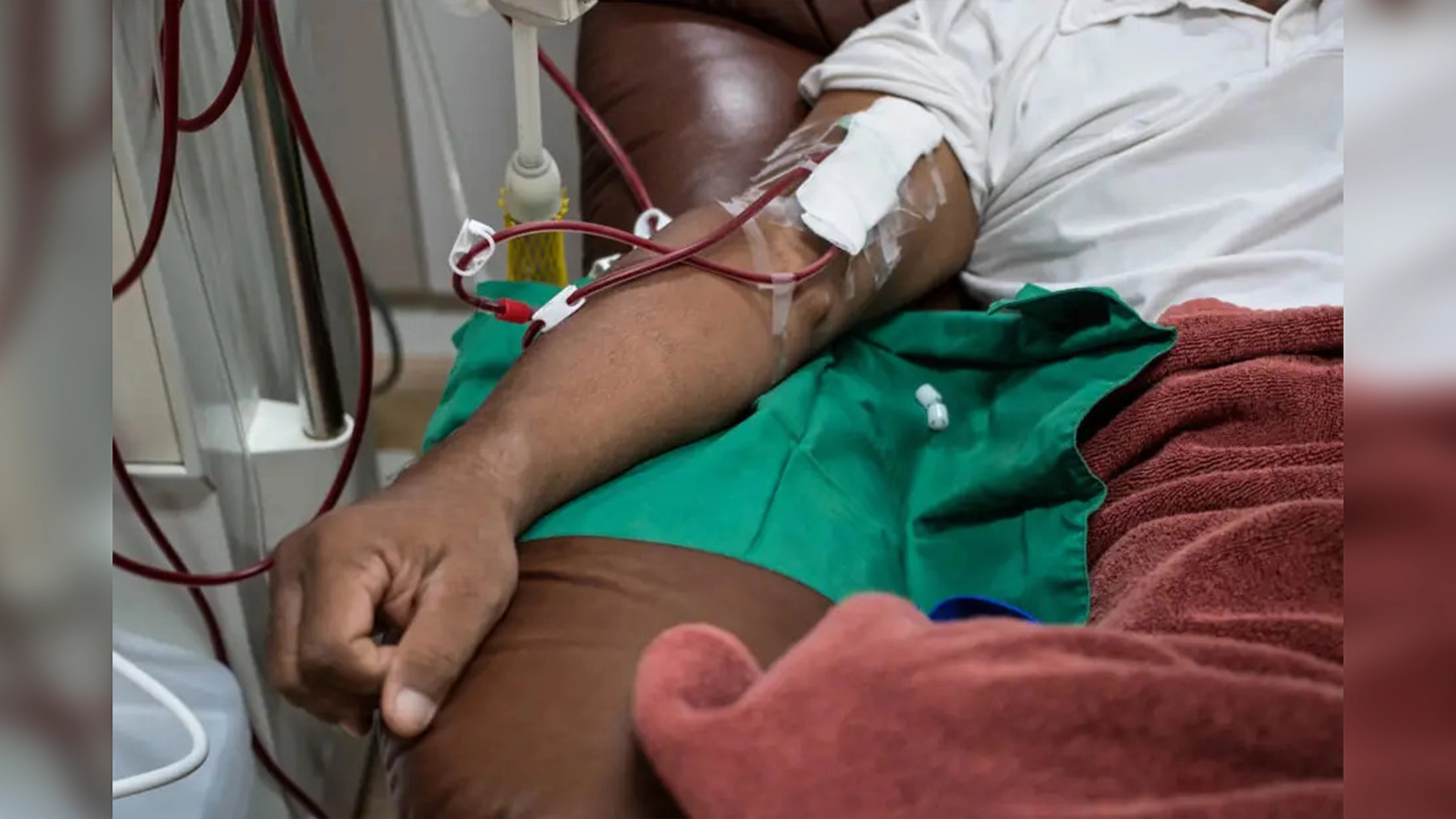
Concern is growing among residents over the reported cases of chronic kidney disease (CKD) in Yobe State even as uncertainty persists about its prevalence, possible causes and associated risk factors.
The Guardian learnt that kidney disease remains a significant public health concern in parts of the state, particularly in communities around Gashu’a and along the Yobe River.
This is worsened by anxiety among residents, healthcare workers and researchers about the actual scale of the disease and the factors contributing to its prevalence.
The absence of comprehensive epidemiological studies and reliable public information has further complicated efforts to determine the extent of the problem, identify vulnerable populations and develop effective preventive measures.
Preliminary findings by the government-backed Biomedical Science Research and Training Centre (BioRTC) at Yobe State University, involving Nigerian and international researchers, have revealed the presence of heavy metals, including cadmium, lead and arsenic, in some water samples collected in Gashu’a.
According to the Director of BioRTC and Special Adviser to Governor Mai Mala Buni on Science, Research and Innovation, Prof. Mahmoud Maina, the team has collected over 3,000 human and environmental samples.
He added that preliminary findings have raised questions about the safety of water sources used by residents, particularly households that depend on rivers and public boreholes for drinking and other domestic activities.
However, researchers have called for further scientific investigation before any direct connection can be established between the detected substances and kidney disease in the affected communities.
Also, an Islamic cleric in the community, Sheikh Isa Gashua, has called on the government to broaden the scope of its investigation into the infection, arguing that greater attention should be given to possible risk factors beyond drinking water.
A resident of Gashu’a in Bade Local Council Area of the state, Sani El-Gash, said almost every household had been affected, either directly or through relatives, friends or neighbours.
He appealed to the federal and the Yobe governments to urgently support comprehensive and independent scientific investigations into the possible causes of the reported cases.
Meanwhile, some residents have also raised concerns over how healthcare workers communicate suspected kidney disease diagnoses to patients.
Several patients in Gashua told The Guardian that some healthcare workers are sometimes insensitive and too blunt when communicating medical findings, without providing adequate explanation, counselling or reassurance.
Among them was Muhammad Gashu’a, who said he experienced severe psychological distress following the manner in which his suspected kidney condition was communicated to him.