
 Get Guardian on Google
The increase in recorded start-up funding is real, but it does not describe every founder’s realistic financing options. The next advance will come from matching viable businesses with investors whose mandates, currencies and timescales actually fit, writes Dr. Ulf Brackmann
Sixty-one meetings took place in Lagos on 27 October that deserve attention alongside Nigeria’s large funding announcements. According to Nairametrics, Magna Collective brought founders and venture investors together for pre-arranged discussions, matching businesses with investors whose preferred sectors, stages and cheque sizes were relevant to them.
No one should confuse a meeting with an investment. But the design addressed a problem that a country funding total cannot describe: whether the right business can find someone equipped to assess it.
The total is encouraging. Africa: The Big Deal records $635 million for start-ups it classifies as headquartered in Nigeria during the first nine months of 2026, more than double the comparable amount a year earlier. That is a rebound, and it would be perverse to pretend otherwise.
It is also concentrated. Moove, Flutterwave, Jumia and Yellow Card account for $440 million of the recorded funding. By my calculation, that is about 69 per cent of the Nigerian total, leaving $195 million for the other recorded recipients. The tracker counts companies raising at least $100,000; it is not a census of every small financing in the country.
These figures do not establish that venture capital is failing. Large businesses can need large rounds, particularly when vehicles, equipment or other physical assets are involved. A handful of substantial financings may produce useful services, employment and supplier demand. The question is whether a healthy route is also developing for businesses that are not yet large enough to attract those cheques.
Tracker classifications and $100,000-plus coverage apply. Four named financings total $440m; the residual is $195m. This is not a census of all finance.
That route cannot be built simply by dividing the remaining money by the number of companies and calling the result a typical deal. An average conceals the different stages, sectors and financing instruments involved. More importantly, it says little about the firms that sought suitable investment and did not receive it.
The practical difficulty is often a mismatch in what each side can offer. A founder may need patient money to test demand; the fund may be designed to invest only after demand has been demonstrated. A company may need a modest amount to reach the next commercial milestone; the investor’s economics may require a much larger ticket. Neither side is necessarily behaving irrationally. They may simply be discussing the wrong transaction.
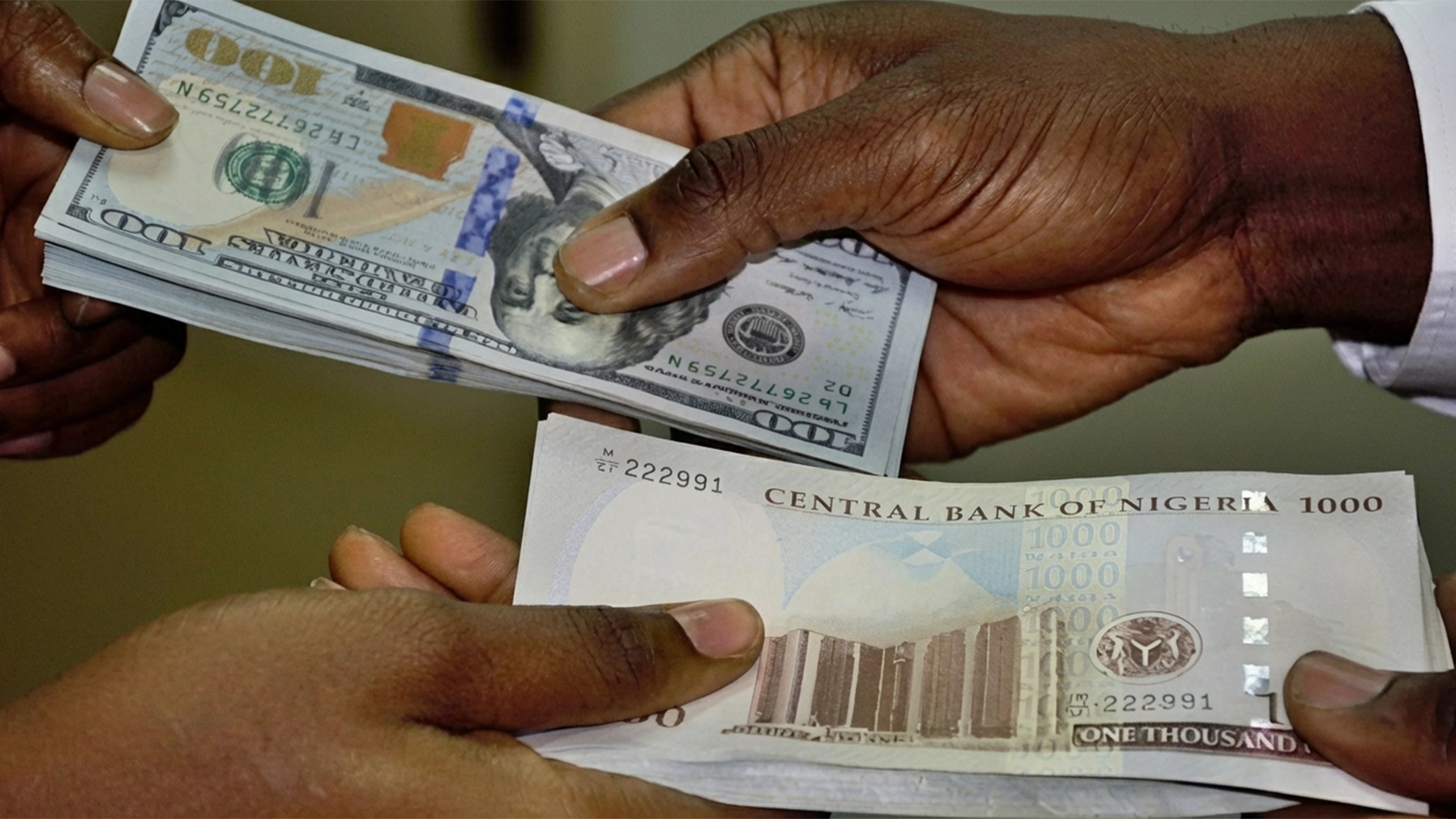
Currency creates another mismatch. A business selling mainly in naira can be commercially successful while disappointing an investor who measures returns in dollars. Pretending that the exchange-rate exposure is merely a matter of founder ambition does not remove it. It must be considered in the financing structure and the return expected from the business.
So must the purpose of the money. Equipment with an identifiable useful life and dependable customers raises a different financing question from software still searching for a market. Debt may suit one part of a business and be dangerous for another. Equity can absorb uncertainty, but selling ownership to meet every short-term operating need can become an expensive habit.
This is why I would put more emphasis on matching and preparation than on another national fundraising target. Investors should make their mandates usable: the stages they fund, the sectors they understand, the currency in which they judge returns and the evidence required before they will commit. A website saying that a fund backs exceptional founders is not enough information to plan a financing round.
Founders have reciprocal obligations. A persuasive presentation should lead to accounts, a clear ownership structure and an explanation of what the next tranche of money will achieve. Investors need to understand how a customer is acquired, what serving that customer costs and whether growth improves the business or merely increases its losses. The file is not a substitute for the idea. It is how the idea becomes assessable.
Preparation alone will not make every venture investable, and it should not. Early-stage investment involves real failures. A programme that promises finance to everyone with complete documents is selling the wrong assurance. The objective is to make a fair decision possible, not to make refusal impossible.
There is a role for public and development capital where the commercial gap is specific. It might support the costly work of assessing smaller transactions or invest through managers able to take early risk. But the terms, selection process and performance should be visible. Patient capital still needs a purpose, a competent manager and a point at which the business must demonstrate progress.
The Lagos organisers said they would monitor the discussions that followed their introductions. That is the useful test. Count not just meetings or expressions of interest, but credible offers, completed investments and what those investments enabled businesses to do. A smaller programme that closes appropriate transactions can be more valuable than a large event that produces only photographs.
Nigeria’s funding headline is worth celebrating. Broadening the market means doing the quieter work beneath it: finding the next viable business, identifying the risk it needs someone to take and agreeing terms that both sides can live with.
Disclosure: iKapital and the author’s affiliated organisations, RELEVATE and DREPS, work on energy, education and investment projects in Africa and may have interests in sectors discussed.