
 Get Guardian on Google
The Chartered Institute of Taxation of Nigeria (CITN) has urged the Federal Government to address emerging gaps in the implementation of its tax reforms ahead of the 2027 Finance Act, warning that failure to make necessary adjustments could undermine the objectives of the new tax regime.
The institute said the success of the reforms would depend on the government’s willingness to address concerns raised by businesses and taxpayers, as well as the competence and integrity of professionals responsible for translating the new laws into effective tax administration.
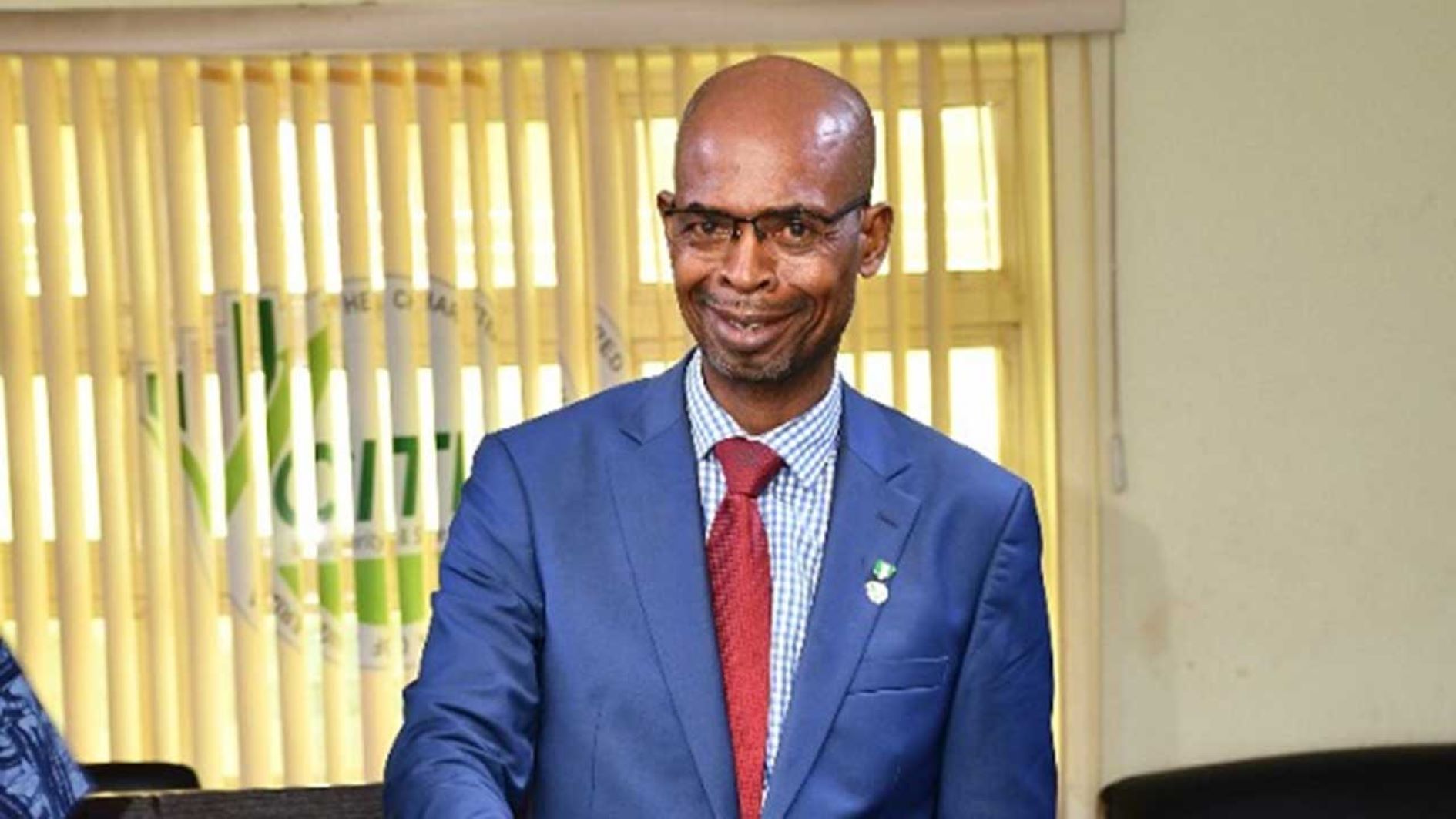
Its President, Innocent Ohagwa, made the point at the institute’s 55th induction ceremony in Lagos. He acknowledged concerns among businesses, tax professionals and other stakeholders over the implementation of the reforms, which he described as a fundamental restructuring of Nigeria’s legal, policy and administrative frameworks for taxation.
He, however, argued that the emerging challenges should not be interpreted as evidence of failure but as part of the process of building a more effective tax system.
“Lasting systems are built by testing the law against reality, and correcting it where necessary,” he said.
Ohagwa commended the Federal Government for responding to stakeholders’ concerns through the inauguration of the Technical Sub-Committee of the Presidential Fiscal Policy and Tax Reforms Committee by the Minister of Finance and Coordinating Minister of the Economy, Taiwo Oyedele.
He disclosed that CITN was represented on the sub-committee, which was working to harmonise stakeholders’ concerns ahead of the 2027 Finance Act.
The committee is also reviewing the 2024 Withholding Tax Regulations, the 2020 Significant Economic Presence Order and the Value Added Tax threshold to ensure that the provisions better achieve the objectives of the reforms.
Ohagwa urged the government to sustain consultations and remain open to policy adjustments, stressing that reforms of such magnitude required continuous evaluation against economic and administrative realities.
He also called on businesses, tax professionals and other stakeholders to remain constructive and support the implementation process rather than allow emerging difficulties to derail the broader reform agenda.
On the capacity required to drive the new tax framework, the institute’s Chairman, Membership and Professional Conduct Committee, Dr Yemi Sanni, said the reforms, which moved into full implementation in January 2026, had created significant demand for competent and ethical professionals.
He said the new tax regime required practitioners capable of guiding taxpayers, helping businesses comply with the law, supporting revenue authorities and ensuring fair tax administration.
According to him, the reforms would not implement themselves, as their success depended on professionals who could correctly interpret the laws and promote compliance.
He urged practitioners to develop the technological skills required to operate effectively in the evolving tax environment while maintaining high ethical standards.