
 Get Guardian on Google
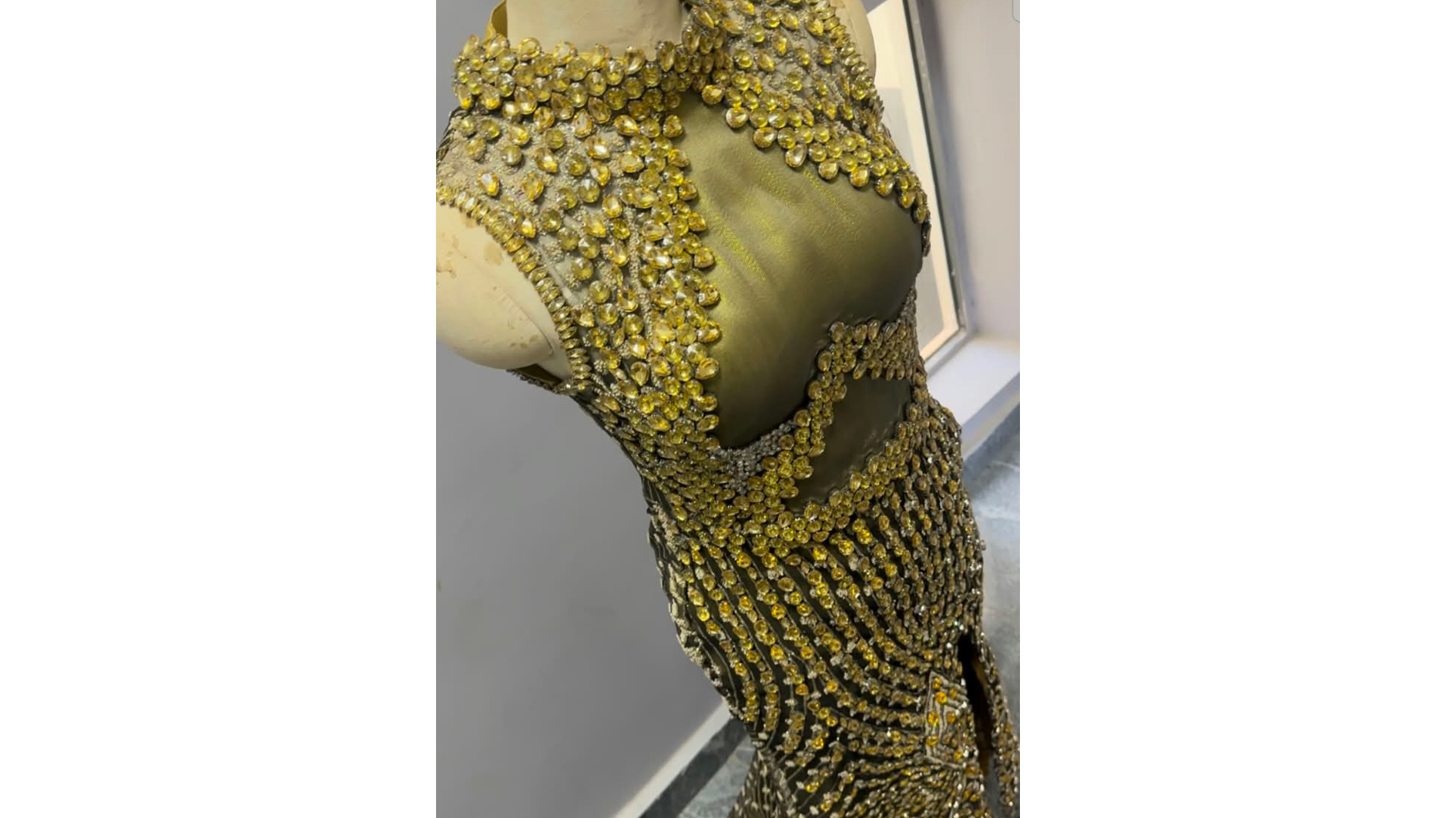
The first phase of a nationwide vocational empowerment initiative has resulted in the production of luxury haute couture pieces, drawing attention to the commercial possibilities of specialised fashion training in Nigeria.
The garments were produced during the inaugural phase of the Nationwide Free Skills Acquisition Empowerment Programme established by lawyer and entrepreneur, Dr. Princess Ezinne Agwu.
The initiative provides free training across several vocational and creative disciplines, including fashion design, professional makeup, filmmaking and event decorations.
Within the fashion component, participants were exposed to aspects of garment construction, embellishment, finishing and other techniques associated with luxury clothing production.
The resulting pieces include elaborate couture designs whose production methods and craftsmanship place them within a specialised segment of the fashion industry.
Although the garments have been developed as luxury commercial pieces, their final market valuations and sales outcomes have not yet been independently established.
The development raises questions about how vocational training initiatives can move beyond introductory skills acquisition to equip participants for higher-value segments of the economy.
Nigeria’s fashion industry encompasses a broad range of activities, from everyday garment production to specialised couture, costume design and bespoke luxury clothing.
However, participation in the higher-value segment often requires access to technical training, appropriate equipment, materials and opportunities to demonstrate craftsmanship.
Agwu said the fashion training component was designed to expose participants to standards of production that could improve their commercial prospects.
“Skills acquisition should not end with learning how to make a product. Attention must also be given to quality, finishing and the commercial relevance of what is produced,” she said.
The programme is associated with PEA Group, whose business interests include fashion, media production, luxury events decorations and other creative enterprises.
The organisers are considering opportunities to exhibit selected pieces from the first training phase, providing a platform for assessment of the work produced.
The initiative illustrates one approach to linking vocational education with creative enterprise development, although its longer-term economic impact will depend on participants’ ability to translate their training into sustained income-generating activities.