
 Get Guardian on Google
Recently, artists at the 2026 Festival of Creativity and Technology organised by the Creative Art and Visual Imagery Centre (CAVIC) in Abuja used interactive installations and digital expression to confront social issues, including menstrual stigma and mental health.
This year’s festival focused on mental and menstrual health, using creative expression and technology to encourage conversations around subjects frequently neglected or misunderstood.
The festival’s wider programme also included a five-day capacity-building workshop that brought together artists and technology practitioners to explore new ways of creating and communicating.
Supported by the Spanish Agency for International Development Cooperation, the workshop was facilitated by resource persons, Marta Verde, from Spain and David Ugochukwu Ogbuehi, a tech resource from the UK, with three groups subsequently developing projects for exhibition.
Convener and founder of CAVIC, Philip Agbese Jnr, said the initiative was intended to demonstrate that art and technology could work together to address issues beyond the traditional boundaries of galleries and exhibition spaces.
He said bringing people from different professional backgrounds together could expand the possibilities of creative expression and give artists new tools to communicate their ideas.
Cultural Attaché of the Spanish Embassy, Eva Barta Martin, said the workshop had provided Nigerian creatives with an opportunity to learn, experiment and exchange ideas.
She described the collaboration as a platform for growth, adding that the interaction between technology and creativity could encourage dialogue and togetherness.
One of the 2026 festival’s partners, GEANCO Foundation, said its involvement was informed by the alignment between the festival’s themes and its interventions for vulnerable girls.
Representing the foundation, Okike Offia, said the organisation worked with girls from insurgency-affected communities and internally displaced persons’ camps, providing support that extends beyond education to their overall wellbeing.
Offia explained that artistic platforms could help people express themselves, encounter different cultures and acquire knowledge. He urged government to create opportunities for organisations such as CAVIC to reach wider audiences.
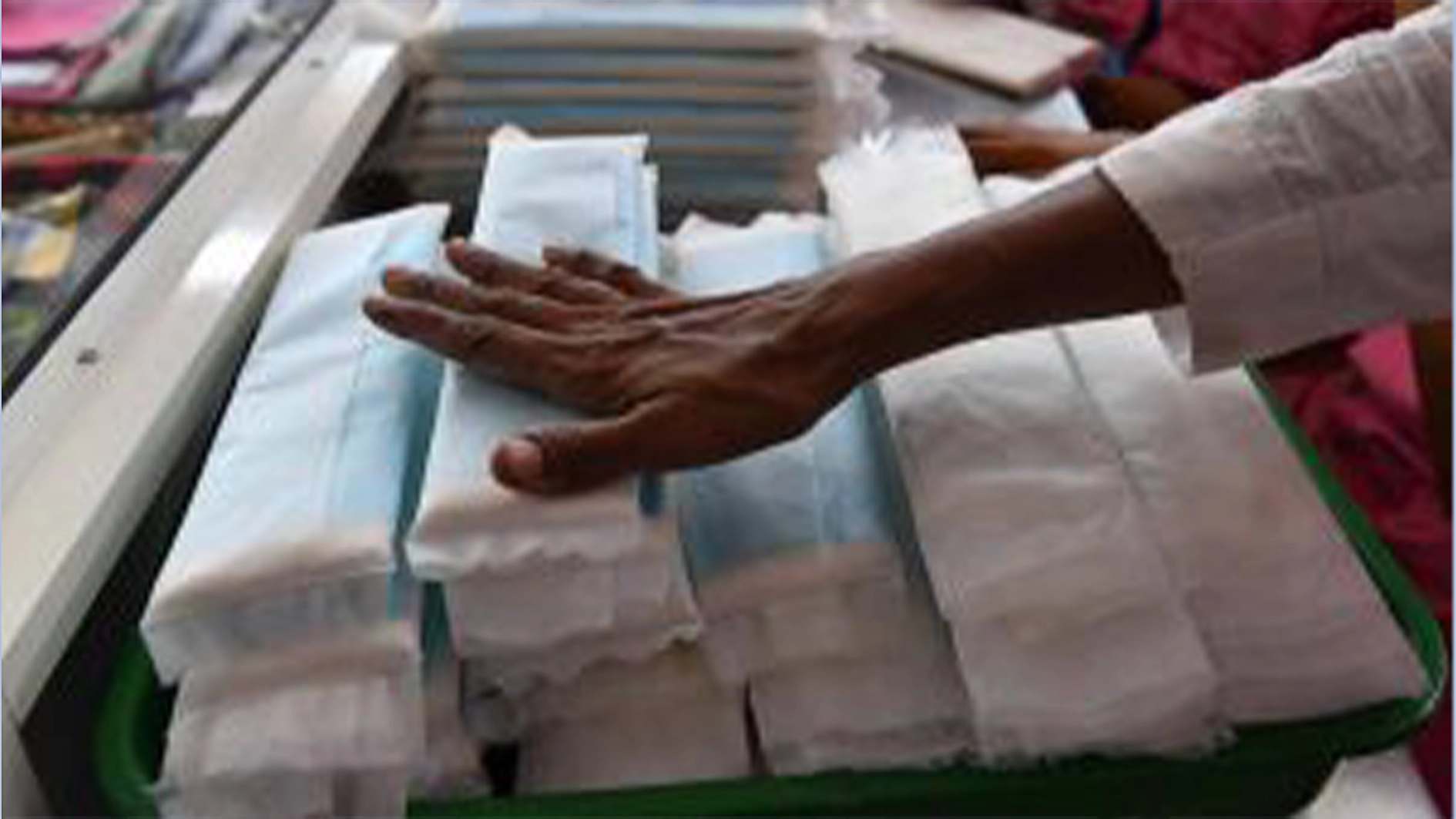
Also partnering with the festival, Pad Up Africa used the occasion to draw attention to menstrual health education and access to affordable menstrual products.
Its founder, Ashley Lori, said the need to break the silence around menstruation informed her interest in the exhibition.
She recalled that many girls, upon experiencing their first menstruation, were often told to keep the experience private rather than being properly educated about their bodies.
“The first word you hear from your parent would be, ‘Don’t allow any boy touch you.’ But that’s not supposed to be it,” she said.
According to Lori, such responses can reinforce stigma and discourage girls from speaking openly about their bodies, abuse and other troubling experiences.
She also raised concerns about the affordability of sanitary products, advocating greater access to reusable alternatives, including reusable pads and menstrual cups.
Lori disclosed that Pad Up Africa had worked with a technical group under the Ministry of Women Affairs on a menstrual health policy initiative that she said was progressing towards implementation.
She said the interventions were important to ensuring that menstruation did not become an obstacle to girls’ education.
For Lori, menstrual health education must begin early and move beyond warnings and secrecy.
“Girls should understand what is happening to their bodies. They should be able to talk about it without feeling ashamed,” she said.
Attendee Vivian Amos said she was impressed by the interactive nature of the installations, describing the combination of technology and visual art as both engaging and thought-provoking.
Another attendee, Jude Adama, commended CAVIC for encouraging artists to improve their craft and embrace technological developments rather than remain restricted to conventional methods.
At the centre of the exhibition was The Red Room, an installation by a team of young creatives ,Sofia Turaki, Ahmeed Balogun and visual artist, Vyvvan Basil, which explored menstrual dignity and challenges the culture of silence surrounding menstruation.
The work asked how stories about menstrual experiences could be transformed from private realities into subjects people can see, hear and engage with.
Basil said technology offered artists an opportunity to communicate such experiences beyond conventional visual art.
“When people get to see and hear things, they feel it more than just looking at a still picture. So I feel technology has a huge role in passing this information properly,” she said.
The installation formed part of the opening of the CAVIC Festival of Creativity and Technology, themed Infinite Realms: Beyond Imagination, which ran from November 5 to 7 at the CAVIC Centre, Wuse, Abuja.