
 Get Guardian on Google
President of GLOBE Legislators International, Rt. Hon. Sam Onuigbo, has called for stronger legislative backing to ensure that international climate agreements translate into enforceable national laws and tangible results.
Onuigbo, a former member of the House of Representatives and sponsor of Nigeria’s Climate Change Act 2021, said political will and effective parliamentary action were critical to bridging the gap between international climate negotiations and implementation at the national level.
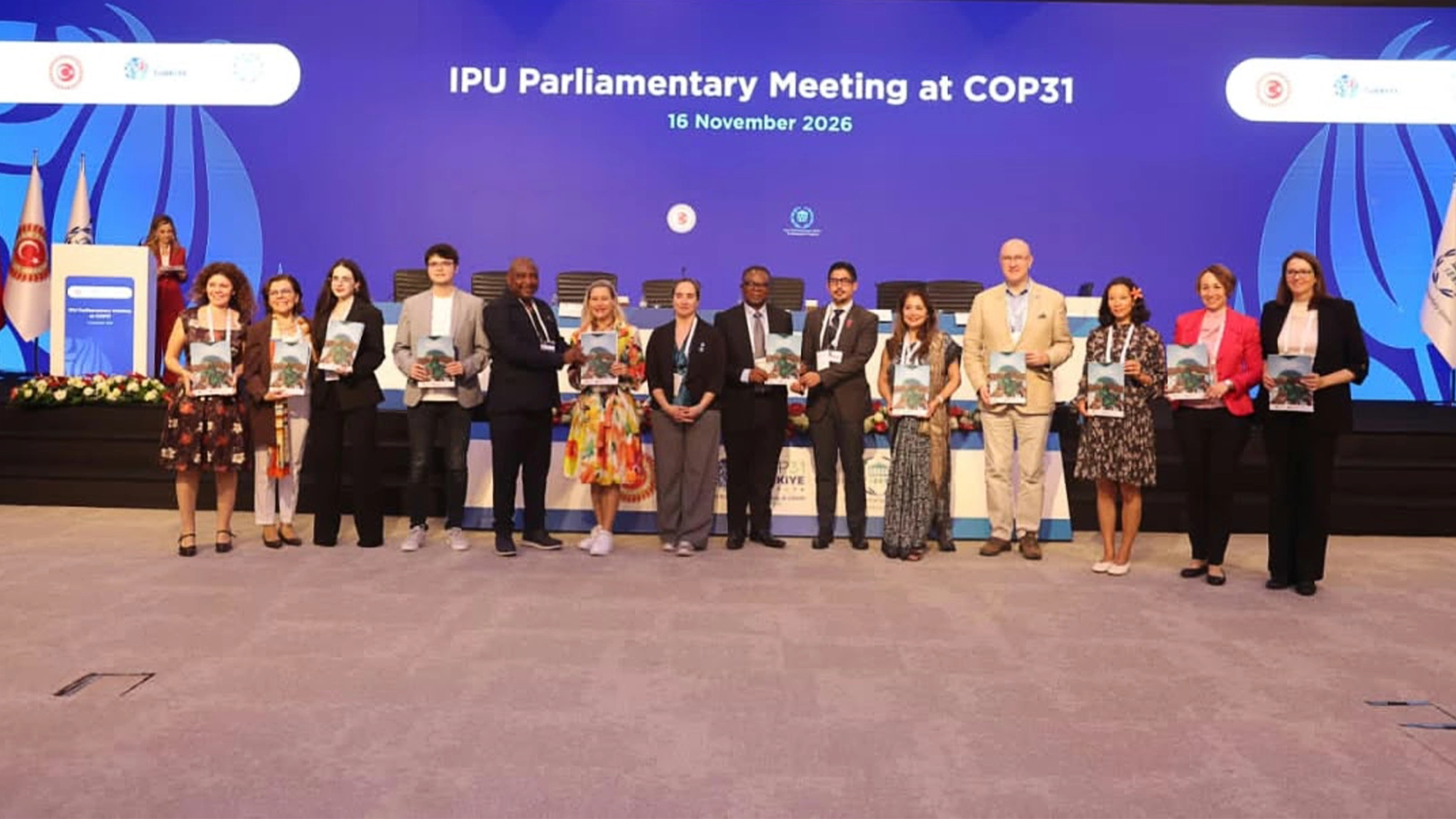
He made the remarks at the Inter-Parliamentary Union (IPU) COP31 Parliamentary Meeting in Antalya, Türkiye, where he underscored the indispensable role of parliamentarians in ensuring that commitments reached at the United Nations Framework Convention on Climate Change (UNFCCC) Conferences of the Parties (COPs) produce measurable outcomes.
He commended President Bola Tinubu for what he described as admirable leadership in keeping Nigeria’s climate journey steady, purposeful and successful.
According to him, the establishment of Nigeria’s National Council on Climate Change under Dr Majekodunmi represents an important milestone in the country’s climate change trajectory.
Onuigbo also spoke at the launch of the Host Country Approval Criteria for Carbon Market Activities in Nigeria, where he expressed confidence in the country’s climate policy direction.
He said lawmakers must deploy their constitutional powers of lawmaking, budgetary appropriation and oversight to ensure that governments implement international climate commitments rather than allow them to remain declarations and conference resolutions.
Reflecting on his participation in the GLOBE COP21 Legislators Summit in Paris, which influenced his decision to sponsor the Climate Change Act, Onuigbo said international climate negotiations would achieve little without the necessary legislative framework to support implementation.
“After all the contributions here, if they are not brought down into laws for implementation, it becomes an exercise in futility. Parliamentary action is central to bridging the gap between international climate negotiations and domestic implementation,” he said.
He added that legislators must ensure that agreements reached at COP meetings were reflected in national laws, funding decisions and effective government oversight.
Describing the deliberations at the Antalya meeting as detailed and incisive, Onuigbo said the real value of the discussions would ultimately be determined by the ability of parliamentarians to translate them into actionable legislation.
He maintained that national parliaments occupy a strategic position in the climate governance architecture because they possess the constitutional authority to enact laws, approve public expenditure and exercise oversight over government institutions responsible for implementing climate policies.