
 Get Guardian on Google
The Federal Government is reviewing the Child Rights Act 2003 to address emerging gaps in child protection, with a draft amendment bill scheduled for stakeholder validation on November 24.
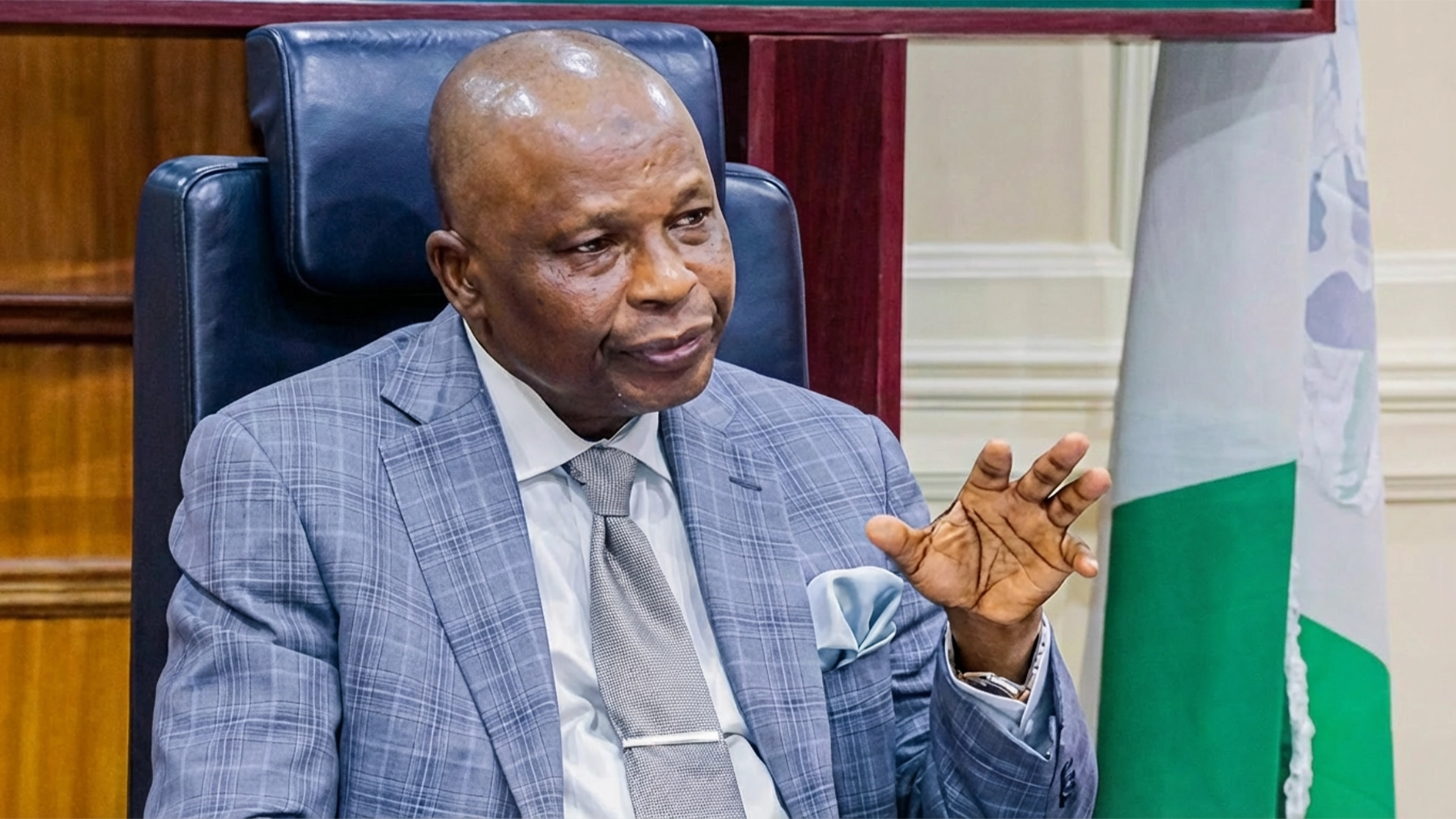
The Attorney-General of the Federation ( AGF) and Minister of Justice, Lateef Fagbemi, SAN, disclosed this in Abuja at the inaugural conference of the Nigerian Association of Family Court Judicial Officers, Magistrates and Other Practitioners (NAFCJOMP), held at the weekend to mark the 2026 United Nations World Children’s Day.
Fagbemi said the review was part of efforts to strengthen Nigeria’s child justice system and close the gap between existing legal safeguards and their implementation.
He said the challenge was no longer the absence of laws, but the failure to translate them into everyday safety and dignity for children.
“Across the country, too many children still face realities that threaten their safety and stifle their potential,” the minister said, adding that sustained political will and coordinated institutional action were required to address the problem.
The conference, with the theme, “My Day. My Rights. My Future,” brought together judicial officers, legal practitioners, policymakers, child protection professionals and children to examine the state of child protection and access to justice in Nigeria.
Fagbemi said the Federal Ministry of Justice had supported the development of Legal Aid Guidelines and Prosecutors’ Guidelines for Handling Cases of Children in Contact with the Law, aimed at ensuring quality legal representation and child-sensitive prosecution.
He also called for stronger family and children’s courts, faster resolution of cases, and greater use of diversion, restorative justice and non-custodial measures for children in conflict with the law.
According to him, a child’s encounter with law enforcement or the courts must not deepen trauma or undermine dignity, stressing that justice for children should focus on rehabilitation and reintegration rather than punishment alone.
The minister further identified online threats, including cyberbullying, digital exploitation, harmful content and privacy violations, as emerging concerns requiring updated legal safeguards and stronger collaboration among government, parents, schools, civil society and technology providers.
Earlier, the Chief Justice of Nigeria, Justice Kudirat Kekere-Ekun, represented by Supreme Court Justice Jummai Sanke, said legislation alone could not protect children from abuse, exploitation and violence without consistent enforcement.
She said the Child Rights Act had provided an important legal foundation, but its effectiveness depended on implementation across the country.
Kekere-Ekun identified child abuse, neglect, trafficking, child labour, early and forced marriage, abandonment and denial of education and healthcare as persistent threats to children’s welfare.
She urged courts to adopt child-friendly procedures that protect children’s privacy, encourage their participation and take account of their age, maturity and emotional circumstances.
The CJN also stressed that children in conflict with the law should, where appropriate, be rehabilitated and reintegrated rather than subjected to measures that could permanently damage their prospects.
In her welcome address, NAFCJOMP President, Justice Eberechi Nyesom-Wike, said the association would continue to promote compliance with child protection laws and strengthen family court practice.
She said the association was committed to advancing the implementation of the Child Rights Act and corresponding state laws, while promoting professional development and collaboration among family justice and child protection practitioners.
Wike added that the association, in collaboration with its partners, was facilitating access to counselling, legal aid and medical support through referral systems.
The First Lady, Senator Oluremi Tinubu, represented by Dr Adedayo Benjamin-Laniyi, also addressed the conference.
Children, including the Speaker of the Children’s Parliament, Miss Progress Umoh, made presentations on their rights and aspirations, while students from secondary schools across the Federal Capital Territory participated in the event.
The conference provided a platform for dialogue on strengthening child protection, improving access to justice, and ensuring that children’s views are considered in decisions affecting them