
 Get Guardian on Google
Predictive maintenance has moved from research papers into planning meetings on offshore rigs. The question for operators is no longer whether artificial intelligence can flag a fault, but whether the flag leads to the right action.
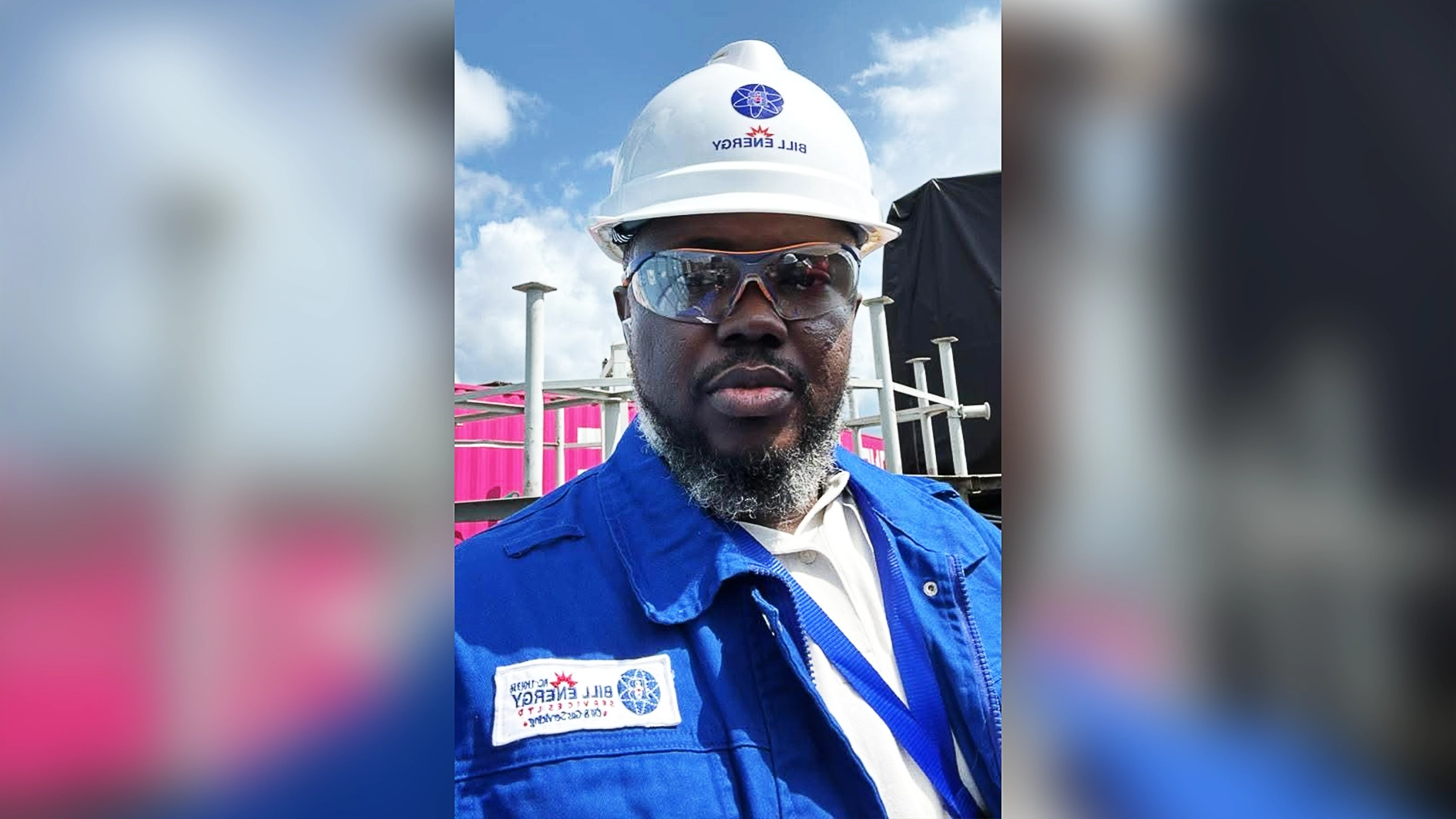
Engr Obinna Joshua Ochulor has supervised complex drilling operations and published research on offshore maintenance logistics, AI-enhanced subsea maintenance, and equipment management. He studied at the Federal University of Technology Owerri and Robert Gordon University in Aberdeen. He spoke about how research informs operational decisions, where automation falls short, and what intelligent drilling systems will need in order to succeed.
You have published research on artificial intelligence and predictive maintenance in the oil and gas industry. Why are these subjects important?
Equipment reliability directly influences drilling safety, operational efficiency, and project expenditure. When critical equipment fails unexpectedly, the consequences extend beyond maintenance costs. They affect personnel, contractors, vessel schedules, and overall project delivery. Artificial intelligence offers ways to examine operating data, identify abnormal equipment behavior, and support earlier maintenance decisions. The objective is to improve engineering judgment through reliable information. Predictive maintenance is valuable when operators combine analytical models with equipment knowledge, maintenance records, and appropriate human oversight.
Do you believe artificial intelligence will replace experienced drilling engineers?
No. I see artificial intelligence as a decision-support technology rather than a replacement for professional engineering responsibility. An analytical system might flag an unusual pressure trend or a change in equipment performance, but an experienced engineer must still evaluate it against well conditions, equipment limitations, operating procedures, and safety requirements. The most effective approach combines data analysis with experienced human judgment. Teams must also understand the limits of their models, particularly when data are incomplete or unreliable.
What must an operator establish before deploying predictive maintenance models?
The first requirement is a clear operational problem. A model should support a specific decision, such as when to inspect a pump, replace a component, or investigate an unusual vibration pattern. Next comes data quality. Sensors must be calibrated, timestamps synchronized, operating states understood, and maintenance histories reliable enough for analysis. I would begin with a limited pilot, compare predictions with observed outcomes, and examine both false alarms and missed events. A false alarm can generate unnecessary maintenance, while a missed warning can expose the operation to unplanned downtime or safety risk. The model also needs a named owner, a documented response procedure, and a method for reviewing performance as equipment ages or conditions change.
Which drilling data streams offer useful insights for engineering teams?
Different streams answer different questions. Hook load, torque, rotary speed, standpipe pressure, flow, rate of penetration, and mud properties help engineers understand drilling conditions when read together. Equipment temperature, vibration, electrical load, and maintenance records help assess machinery condition. The key is context. A change in torque might reflect a formation change, a parameter adjustment, or a developing mechanical issue. I favor integrating data with the operational timeline and recording where each value came from, how often it was sampled, and whether gaps exist.
How does subsea equipment reliability differ from maintenance on land?
Subsea systems operate where access is difficult, interventions are expensive, and a minor component issue can affect a larger production system. Engineers should evaluate inspection opportunities, redundancy, monitoring capability, and intervention strategies during design, commissioning, and operations. The offshore logistics chain matters as well, since a replacement may require specialized vessels, personnel, weather windows, and coordination with other activities. A prediction must be reliable enough to justify action. Research should consider the complete decision, including access costs, spare-part availability, and safety exposure. A technically impressive model with no feasible response plan does not solve the maintenance problem.
How should researchers evaluate claims of AI-driven efficiency gains?
I would begin by asking what outcome was measured and what baseline was used. A reduction in downtime, for example, must be separated from changes caused by maintenance schedules, operating conditions, equipment age, or staffing. Researchers should report false-positive and false-negative rates alongside headline accuracy, and examine implementation costs, data preparation effort, and the workload created by alerts. Independent validation and clear limitations make research more credible. I prefer modest findings supported by sound methods to large claims without a defensible comparison.
Why should cybersecurity be considered in connected drilling systems?
Modern equipment exchanges information across sensors, controllers, monitoring platforms, and remote support systems. That connectivity brings operational benefits but also requires careful protection. An interruption to a data service or an unauthorized configuration change could compromise the information the team relies on. Cybersecurity therefore belongs within the broader engineering risk assessment, with clear access controls, controlled software changes, network separation, and plans for operating safely when connectivity is degraded. Engineers need not become security specialists, but they should understand the operational consequences of connected-system failures.
Should Nigeria regulate AI tools used in safety-critical energy operations, and if so, how?
The focus should be on accountable use rather than a blanket claim that AI is either safe or unsafe. Operators should document system purpose, data sources, validation, human oversight, change control, cybersecurity, and incident reporting. Requirements should reflect the risk of the application. A model suggesting maintenance priorities differs from a system influencing a well-control decision. Regulators and industry bodies can work toward consistent assurance expectations while keeping responsibility with the licensed operator and qualified engineering team.
Any framework should align with existing petroleum safety obligations and applicable data-protection rules.