 Get Guardian on Google
The Conference of Speakers and Presidents of African Legislatures (COSPAL) Speaker of the House of Representative and Youth Hub Africa has called for increased investment in education and greater youth participation in Nigeria’s budgetary process to improve access to quality education.
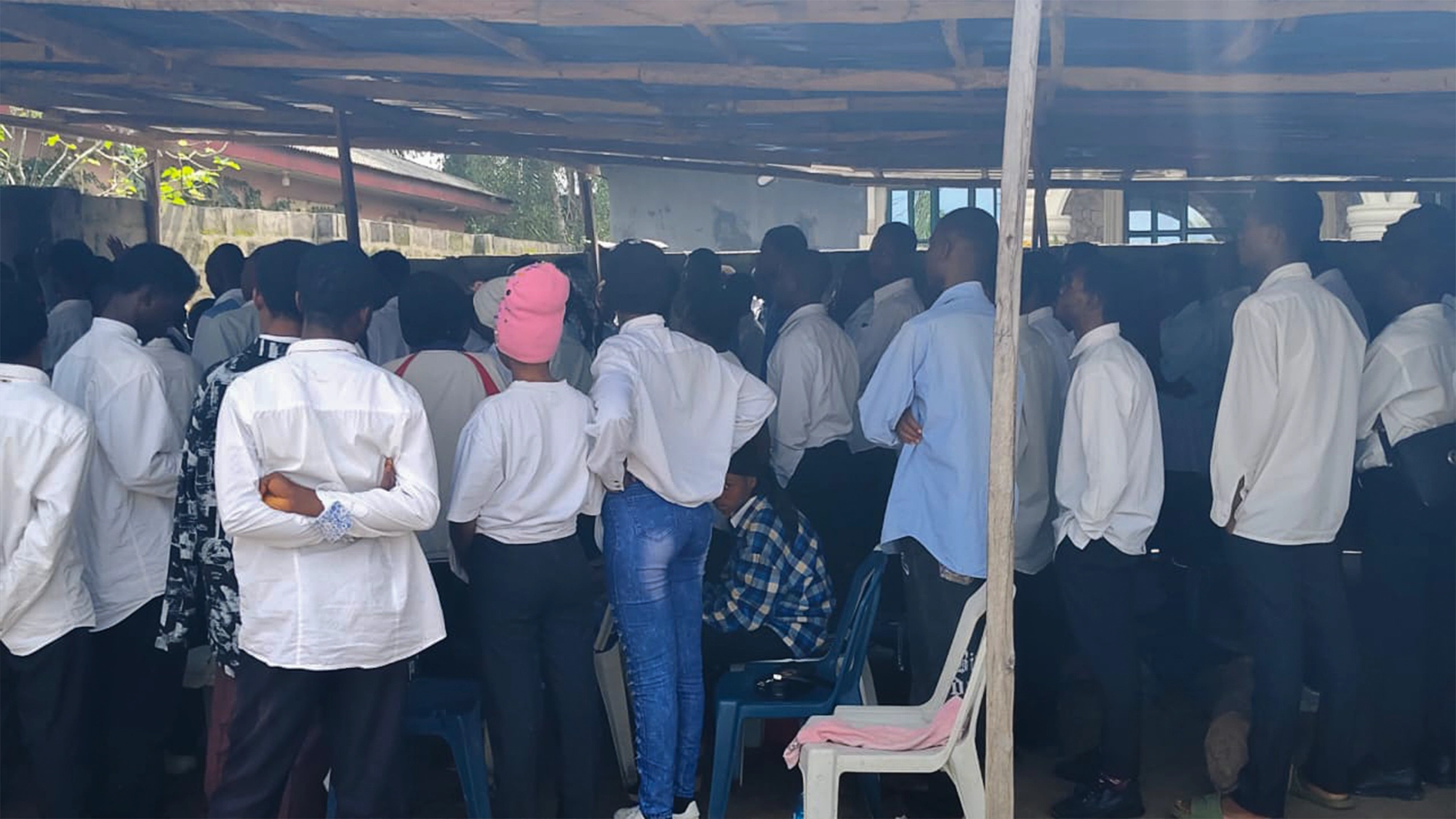
The stakeholders made the call yesterday at a youth engagement on education budgeting in Nigeria forum held at the National Assembly to strengthen participation of young people in decisions around education financing, particularly as the country prepares for the 2027 budget cycle.
The representative of COSPAL, Mrs Solape Sonuga, who represented the Secretary-General and Ambassador of COSPAL, Dr Dapo Oyebole stressed that investment in education should go beyond political promises, Nigeria’s human capital and harness its demographic potential.
According to her, discussions on education funding should not be limited to budgetary figures and percentages but should consider the impact of allocations on children, teachers and learning facilities.
She noted that inadequate classrooms, shortage of teachers and poor sanitary facilities continued to prevent some children, particularly girls, from accessing quality education.
Sonuga said Nigeria must move beyond commitments to universal basic education to ensure that budgetary processes were inclusive, responsive and accountable.
She stressed that the legislature had a critical role in translating citizens’ aspirations into policies and development outcomes, adding that budget approval alone did not guarantee the construction of classrooms or improved learning outcomes.
“An approved budget does not build a classroom. A released budget does not automatically guarantee that children are learning,” she said.
She urged lawmakers to strengthen oversight and ensure that funds allocated to education were properly implemented to achieve measurable results.
In her remarks, the Special Assistant to the Speaker on International Cooperation and Education Engagement, Arocha Abisoye, commended Youth of Africa and COSPAL for providing a platform for young people to participate in discussions on education financing and policy decisions.
She said stakeholders must pay attention not only to education budget allocations but also to the release and utilisation of funds and their impact on students and learning institutions.
According to her, education financing should address critical needs, including infrastructure, teacher development, digital learning and equal access to quality education.
She called on young people to engage actively in the budget process by asking informed questions, examining spending priorities, proposing practical solutions and holding public institutions accountable through evidence-based advocacy.
The monitoring and evaluation research and learning officer at Youth Hub Africa Nkpoikana-Abasi Aniefiok said the engagement is one of many things they are doing to expand youth inclusion in budget cycles, legislative oversight in education budget and the overall goals of this is one, increasing education budget.
She said their aim is to ensure increase in education budget from the current 6.1percent to 15-20percent which is the international benchmark adding that their second objective is to ensure that education budget gender responsive.
She pointed out that a closer look at the appropriation bill, will reveal that gender targeted are lumped inside a budget line that has other things, making it to be easily lost or not easy to track for accountability.
One of the participants Tijani Khadija pointed out that although Nigeria has lot of catchy policies but there are no clear implementation and monitoring method, stressing the need to put in place a tracking and monitoring method to track budget implementation
Bemoaning the allocation of 1 percent of the budget to enhancing gender balance in the education sector, she stressed that investment in the sector should be targeted at providing safety facilities like good toilets, provision of menstrual hygiene products in schools especially for girls.