
 Get Guardian on Google
Reps decry bureaucracy, high lending rates stifling small businesses, accuse govts
Nigeria’s economy recorded further improvements in the second quarter of 2026, but the developments have yet to translate into sufficient relief for households and businesses.
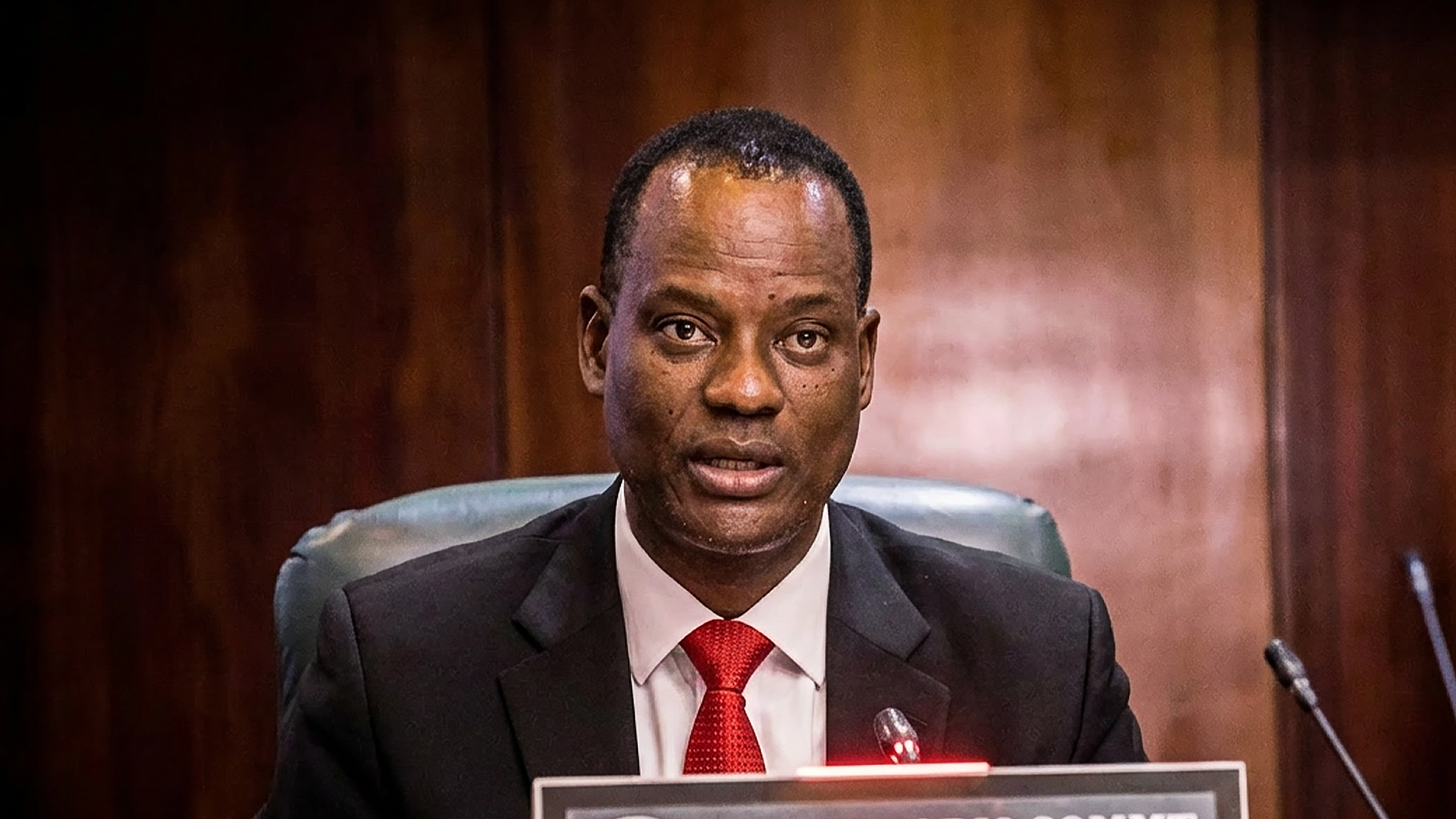
The Minister of Finance and Coordinating Minister of the Economy, Taiwo Oyedele, presented the economic update at yesterday’s 162nd National Economic Council (NEC) meeting.
Relatedly, the House of Representatives decried the bureaucratic bottlenecks and high lending rates that are stifling the growth of Micro, Small, and Medium Enterprises (MSMEs) in the country.
The lawmakers also accused state and local governments of failing to support small businesses adequately despite increased federal allocations.
Senior Special Assistant to the President on Media and Communications, Office of the Vice President, Stanley Nkwocha, disclosed the NEC meeting’s proceedings in a statement yesterday.
At the meeting, Oyedele reportedly said Nigeria’s economic indicators continue to improve, with real Gross Domestic Product (GDP) growing by 4.43 per cent in the second quarter of 2026, compared with 4.23 per cent in the corresponding period of 2025.
He also noted that headline inflation declined for the fifth consecutive month to 14.06 per cent in October 2026, its lowest since September 2020.
Additionally, The Guardian gathered that Nigeria’s external reserves stood at $54.87 billion as of November 12.
According to the minister, Nigeria’s trade surplus increased from N10.2 trillion in the first half of 2025 to N20.1 trillion in the corresponding period of 2026.
He added that net revenue distributed through the Federation Account Allocation Committee (FAAC) rose by 44 per cent, from N15.2 trillion in 2024 to N21.9 trillion in 2025.
“Oyedele, however, observed that the improving economic indicators had yet to translate sufficiently into relief for households and businesses, particularly in the areas of food prices, electricity costs, access to affordable credit and employment,” the statement noted.
Earlier, in his opening remarks, Chairman of the Council, Vice President Kashim Shettima, said Nigeria’s economic future and the lasting success of President Bola Tinubu’s reforms depended on building strong institutions.
Speaker of the House, Tajudeen Abbas, observed the bottlenecks yesterday through the Majority Leader, Julius Ihonvbere, at a stakeholders’ engagement organised by the House Committee on Small and Medium Enterprises in Abuja.
The engagement, with the theme, ‘Unlocking the Potential of Nigerian MSMEs Through Legislative Reform, Access to Finance, Market Linkages and Strategic Partnership’, brought together government agencies, financial institutions and business stakeholders.
Abbas said despite the establishment of many intervention agencies and the injection of funds into the sector, many small businesses continued to struggle.
He lamented that businesses which managed to survive did so largely through their own resilience rather than government support.
“Those that are surviving are surviving not because of government and agencies, but despite government and agencies,” he said.
The Speaker attributed the situation in part to policymakers’ failure to understand the difficulties entrepreneurs face. He said many government officials remained disconnected from the realities of struggling businesses.
He also faulted cumbersome procedures for accessing intervention funds, warning that excessive bureaucracy had discouraged entrepreneurs from seeking government-backed loans.
“I’m a systems man, but I know this system is not working. It will not work when you bureaucratise a procedure. A lot of red tapes,” he said.
The Speaker warned entrepreneurs against borrowing at double-digit interest rates, saying such loans could undermine their businesses before they gained stability.
Beyond federal interventions, Abbas challenged state governors to establish dedicated funds for MSMEs, suggesting monthly contributions of at least N1 billion.
In his contribution, consultant and former member of the Anambra State House of Assembly, Charles Ezeani, said cumbersome lending procedures deny rural entrepreneurs access to government intervention funds.
He pointed out, however, that many applicants lacked the technical capacity to meet the requirements imposed by commercial banks, even after securing preliminary approvals from development finance institutions.