
 Get Guardian on Google
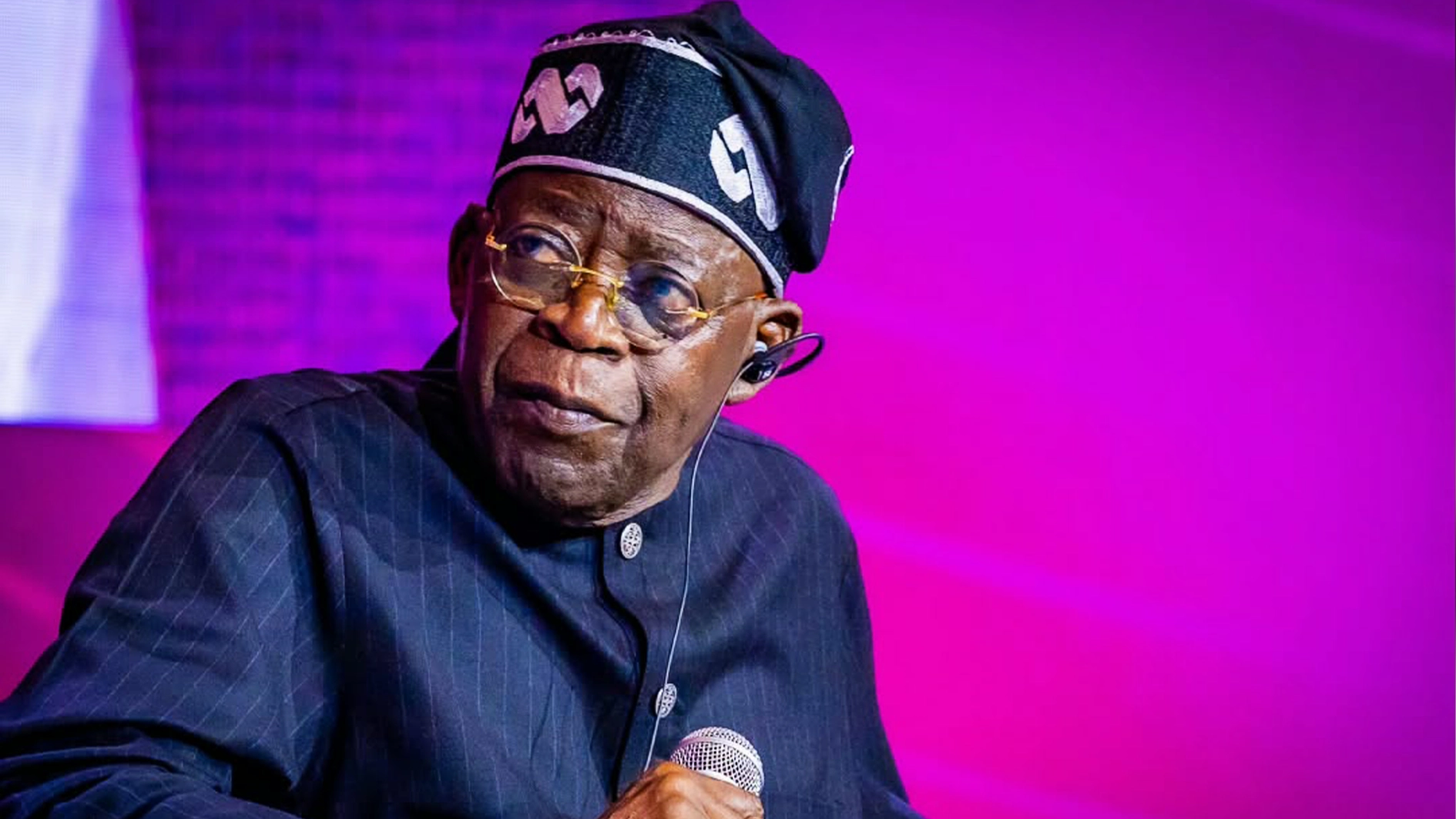
President Bola Tinubu has transmitted a bill to the House of Representatives seeking to reduce the 2026 national budget from N68.323 trillion to N65.176 trillion while retaining the N31.457 trillion fiscal deficit.
The proposed amendment represents a reduction of N3.147 trillion in the overall expenditure but leaves the government’s deficit and borrowing plans unchanged.
Under the revised proposal, the Federal Government projects revenue of N33.720 trillion, including earnings from Government-Owned Enterprises, while capital expenditure stands at N26.232 trillion.
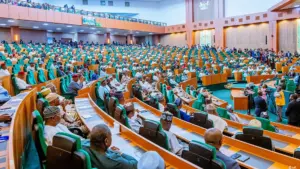
Tinubu conveyed the request in a letter dated November 20, 2026, addressed to the Speaker of the House, Tajudeen Abbas, who read it during Tuesday’s plenary.
The President also submitted a revised 2026 Federal Government Fiscal Framework, explaining that the adjustments would align government spending with available resources and existing financial obligations.
According to the letter, the proposed changes would accommodate some expenditures incurred by the Nigerian National Petroleum Company Limited (NNPCL) on behalf of the Federation.
The revision would also address underprovided debt-service obligations, recognise issued capital warrants and supplementation commitments, and provide refunds to Ministries, Departments and Agencies (MDAs) and special accounts.
Tinubu explained that most capital allocations for MDAs covered amounts the government had already warranted. However, he introduced additional capital and overhead provisions for selected national priorities.
He said the new allocations would support the completion of critical road projects, protect agricultural production and reduce production costs. They would also improve farm yields, enhance market access and address water vulnerability.
Despite the reduction in the budget size, the President retained the fiscal deficit at N31.457 trillion, representing 5.64 per cent of the Gross Domestic Product (GDP).
He also maintained the proposed new borrowing of N29.218 trillion, comprising N18.428 trillion in domestic borrowing and N10.790 trillion in foreign loans.
On external borrowing, Tinubu said the proposed $7.7 billion loan, estimated at N10.368 trillion using an exchange rate of N1,346.50 to the dollar, would finance the existing foreign borrowing provision without increasing the borrowing envelope.
In the letter, the President said the adjustments would strengthen budget implementation by prioritising existing commitments and improving the credibility of capital expenditure.
“The proposal aligns the 2026 Budget with existing obligations and available resources. It regularises some NNPCL expenditures incurred on behalf of the Federation, addresses underprovided debt-service obligations, recognises issued capital warrants and supplementation commitments, and provides for refunds to Ministries, Departments and Agencies (MDAs) and Special Accounts,” he stated.
Tinubu further explained that the additional provisions would address priority national interventions, particularly in infrastructure and agriculture.
“MDA capital provision consists mainly of amounts already warranted. A few new MDA capital and overhead provisions were included as priority national interventions, particularly to complete critical road projects, protect agricultural production, reduce production costs, improve farm yields, and enhance market access, while addressing water vulnerability,” he said.
The President maintained that the revised framework would improve the execution of the capital budget while ensuring fiscal restraint.
He consequently sought the cooperation of lawmakers for the speedy consideration and passage of the bill, saying its approval would facilitate orderly budget implementation and the settlement of outstanding obligations.
The bill will now undergo legislative consideration before the proposed changes to the 2026 Appropriation Act can take effect.