 Get Guardian on Google
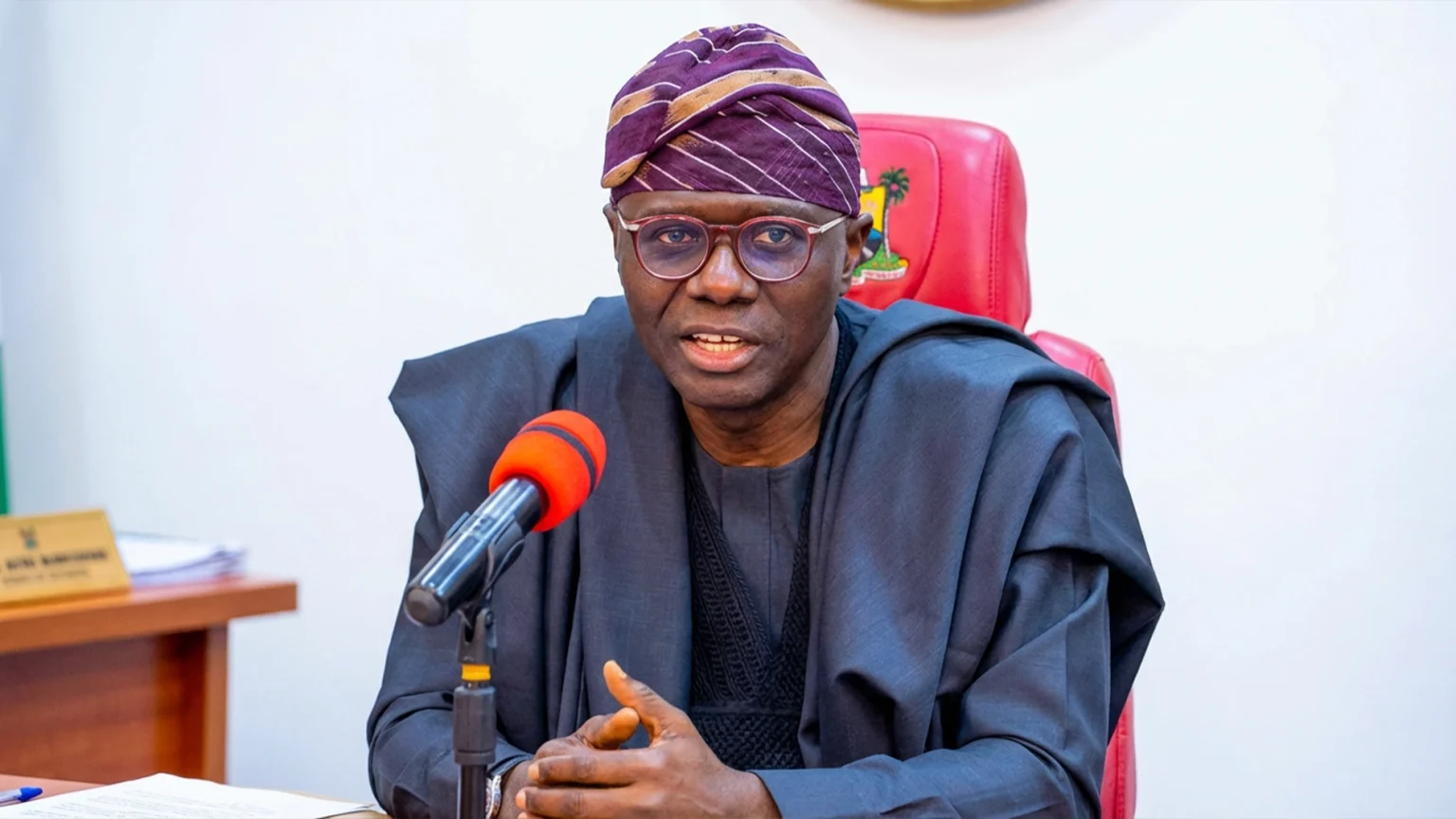
Lagos State Governor, Babajide Sanwo-Olu, has said that sustained development of the state depends on deliberate planning, strong institutions and policy consistency, citing the contributions of successive administrations to its growth.
He said the demands of the state’s growing population required governments to make deliberate investments in transportation, healthcare, education, housing, food security and employment, while ensuring that development policies were sustained beyond individual administrations.
Sanwo-Olu spoke yesterday during the presentation of a book, “Lagos: The Making of Africa’s Megacity – Urban Leadership, Infrastructure and Governance under Babajide Sanwo-Olu,” held at the Eko Hotels and Suites, Lagos.
The governor said his administration adopted the T.H.E.M.E.S. development agenda to address the state’s development needs, adding that interventions had been made across critical sectors.
He, however, acknowledged the contributions of past governors to the state’s development, particularly President Bola Tinubu, whose administration as governor, he said, laid foundations for subsequent governments.
Sanwo-Olu, therefore, called on Nigerians to support Tinubu’s re-election bid, saying that the President deserved another opportunity to continue his policies.
In her review of the book, Prof. Maryam Quadri of the University of Lagos (UNILAG) said Lagos must look beyond infrastructure expansion to achieve inclusive development and strengthen its position as a globally competitive megacity.
Quadri said that the state’s rapid population growth and the pressures it places on housing, transportation, employment, sanitation, healthcare and education require stronger institutions and policies that translate economic growth into improved living conditions.
She identified technology, innovation, cultural industries, investment promotion, climate resilience and Diaspora engagement as important drivers of Lagos’ future development.
Earlier, the Founder of ENS and Convener of the Nigeria Diaspora Development and Investment Summit (NDDIS) and Africa Diaspora Development and Investment Summit (ADDIS), Bimbo Roberts Folayan, said the book was designed to document the leadership, infrastructure and governance decisions that had shaped Lagos State.
Folayan said ENS, established in 1993, had focused on documenting Nigerian and African leaders and their contributions to development.
He disclosed that the organisation’s committee had independently inspected selected projects undertaken by the Sanwo-Olu administration, including the Tolu Schools Complex in Ajegunle, the 300-bed Ojo General Hospital, the Blue Line rail project, housing schemes in Igando and Ikorodu, and food hubs in Mushin and Agege, among others.
Folayan, however, announced plans to establish the Sanwo-Olu Legacy Initiative for Development (SOLID), a platform expected to begin pilot activities in 2027 across the state’s 20 local councils and 37 Local Council Development Areas (LCDAs).
He said the initiative would focus on youth skills development, employability, entrepreneurship, small and medium-scale enterprise growth, innovation, investment partnerships and job creation.