
 Get Guardian on Google
High conversion costs and inadequate refuelling infrastructure have limited the benefits of gas-powered transportation in Nigeria. However, the expansion of refuelling facilities, particularly across university communities, is raising expectations of lower transport costs, improved business margins and wider adoption of compressed natural gas, ABIGAIL IKHAGHU reports.
For students and commercial transport operators, the commissioning of four compressed natural gas (CNG) stations at Nigerian universities could represent more than an expansion of the country’s gas infrastructure. It could provide access to a cheaper transportation fuel, reduce operating expenses and create opportunities for businesses seeking alternatives to increasingly expensive petrol.
The facilities, commissioned at the University of Lagos (UNILAG), University of Ibadan (UI), Federal University of Technology, Akure (FUTA), and Federal University Oye-Ekiti (FUOYE), are part of the Federal Government’s Special Palliative Relief on University Transportation (Project SPROUT).
By bringing refuelling infrastructure closer to university communities, the initiative seeks to address one of the major constraints to CNG adoption: the difficulty of accessing filling stations. For transport operators, particularly those running campus shuttle services, easier access to gas could reduce the time and additional costs associated with travelling long distances to refuel.
The potential economic implications are significant, particularly for operators whose businesses depend on daily fuel purchases. With rising petrol prices putting pressure on transport businesses, switching to CNG could improve operating margins and potentially create room for lower fares.
The Presidential Initiative on Compressed Natural Gas and Electric Vehicles (Pi-CNG & EV) estimates that motorists who switch from petrol to CNG can save between 40 and 60 per cent on fuel costs, depending on vehicle type and driving patterns. For commercial bus operators covering about 200 kilometres daily, the initiative estimates monthly savings of between N15,000 and N25,000 or more.
The potential savings are also reflected in a techno-economic study published in the Journal of Energy Research and Reviews in April 2025. The research, conducted by academics from the Department of Mechanical Engineering at Obafemi Awolowo University, Ile-Ife, estimated that adopting CNG could reduce fuel expenditure by more than N5,518 for every 100 kilometres compared with petrol.
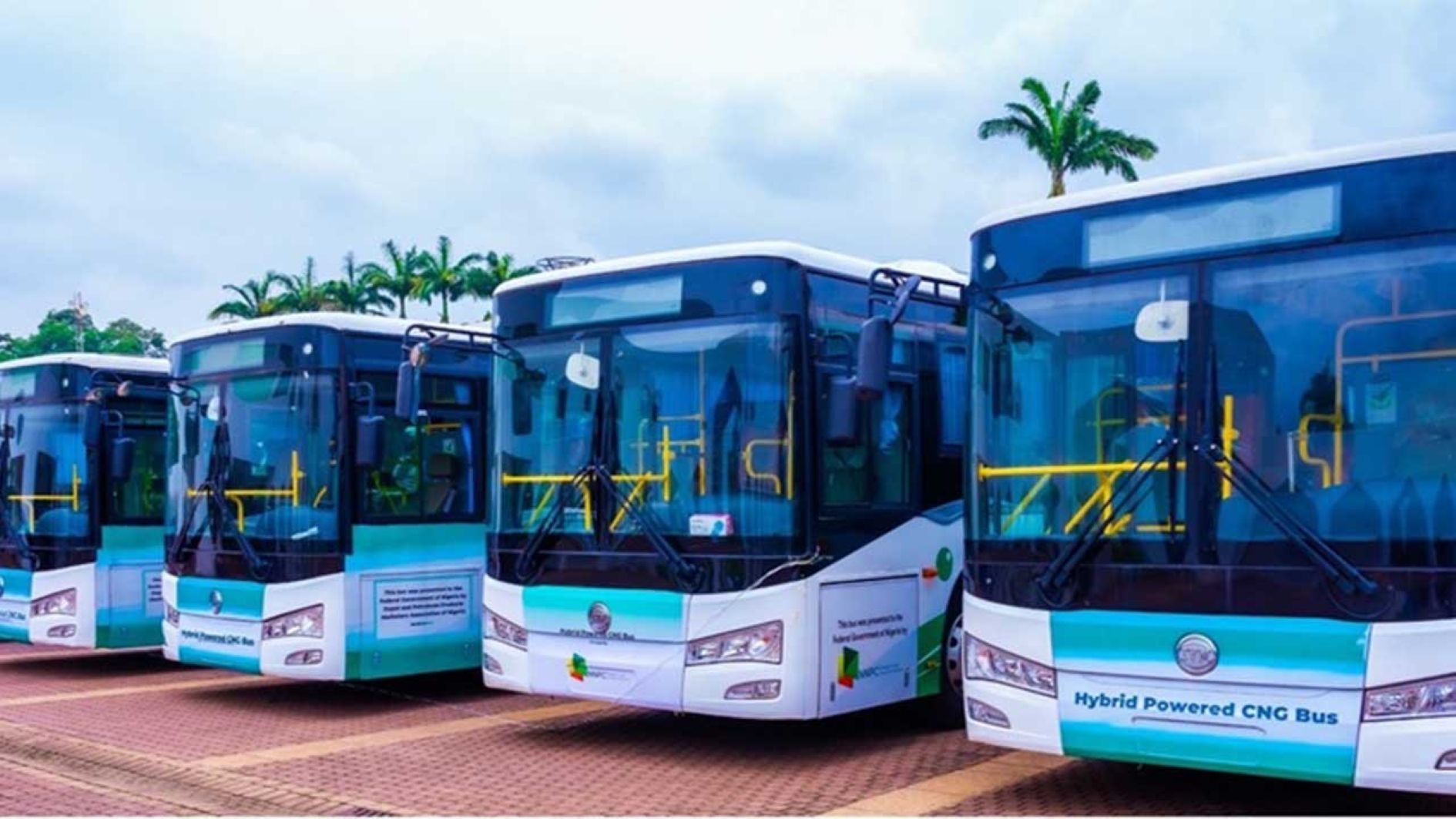
For transport businesses operating several vehicles, such savings could improve profitability, particularly where fuel accounts for a substantial share of daily operating expenses. The availability of refuelling facilities within university communities could also make it easier for shuttle operators to incorporate CNG-powered vehicles into their fleets.
However, the extent to which the newly commissioned stations will translate into lower transport costs will depend on their capacity, regularity of gas supply, operating hours and the number of vehicles they can serve.
Minister of Education, Dr Tunji Alausa, acknowledged the transportation burden facing students, saying the initiative was designed to address one of the major concerns they regularly raise with his ministry.
“Through the Special Palliative Relief on University Transportation, known as Project SPROUT, we are addressing one major concern students raise with us directly: the cost of getting to class,” he said.
He said even small savings on individual trips could make a difference to students who commute several times daily. He also urged university authorities and transport operators to ensure that lower operating costs associated with CNG translate into cheaper fares.
“I therefore urge university management and transport operators to work together so that students share in those savings through affordable fares and dependable shuttle services,” Alausa said.
The National Association of Nigerian Students (NANS) also identified transportation as a major financial burden. Its National President, Comrade Akinteye Babatunde Afeez, said transportation remained one of students’ major daily expenses, sometimes forcing them to spend less on other basic needs.
He said the initiative could ease the burden but stressed that its success should be measured by the affordability and quality of transport services available to students.
For students, the economic value of the infrastructure will ultimately be determined by how much they spend on daily movement between their accommodation, lecture halls and other parts of their campuses.
Without a reduction in shuttle fares, the benefits of cheaper fuel could remain largely with transport operators.
The university programme is also expected to expand beyond the four recently commissioned facilities. The initiative is being implemented in partnership with FEMADEC Energy Limited, which is responsible for developing the campus facilities.
The company’s Chief Executive Officer, Fola Akinnola, said the rollout had reached 11 tertiary institutions, with more facilities being prepared for commissioning.
The initial plan targets 20 federal universities, although Alausa said the programme could be extended to 40 more public universities, potentially bringing 60 institutions under the initiative.
Such an expansion could create a wider market for CNG-powered transportation by providing more organised refuelling points for university shuttle operators and other commercial vehicle owners. It could also encourage investment in vehicle conversion, maintenance and related services around participating institutions.
Beyond the university programme, the expansion is part of a broader effort to address infrastructure gaps limiting the adoption of natural gas as an alternative transportation fuel.
The Executive Director of the Midstream and Downstream Gas Infrastructure Fund (MDGIF), Oluwole Adama, said the fund had supported the establishment of 25 fully operational CNG stations across the country within two years. Its portfolio, he added, included 31 projects and 205 infrastructure assets nationwide.
The figures point to growing investment in the infrastructure required to support Nigeria’s transition to gas-powered transportation. However, the economic significance of the expansion will depend on how effectively the facilities connect gas supply with actual demand from vehicle owners and commercial transport businesses.
For businesses, a wider network of refuelling stations could reduce the logistical challenges associated with operating CNG-powered fleets. Operators would have more opportunities to plan routes around accessible refuelling points rather than incur additional costs travelling to distant facilities.
This could be particularly important for commercial transportation businesses, where vehicle downtime and additional fuel-related journeys affect productivity and profitability.
However, the initial investment required to convert vehicles remains a major obstacle, particularly for operators running small transport businesses with limited access to capital.
According to Pi-CNG & EV, conversion costs vary according to vehicle type and equipment specifications.
Converting passenger cars costs between N350,000 and N600,000, while commercial buses and vans require between N450,000 and N800,000. Tricycle conversions are estimated at between N180,000 and N280,000. The initiative says subsidised conversion arrangements are also available to eligible commercial transport operators.
The initiative estimates that regular users can recover their conversion costs within six to 12 months, depending on vehicle type and usage. However, the payback period will vary with daily mileage, refuelling frequency, conversion expenses and prevailing fuel prices.
For transport operators, therefore, the availability of refuelling infrastructure addresses only one part of the adoption challenge. Access to affordable conversion services and financing will also determine how quickly businesses can take advantage of the expanding network.
The wider economic benefits could extend beyond transportation savings. Increasing domestic consumption of natural gas could stimulate investment in gas distribution, vehicle conversion, equipment maintenance and other supporting services.
The expansion could also create employment opportunities for engineers, technicians, station attendants and other professionals required to operate and maintain the facilities.
Adama urged students to see the facilities as more than refuelling points, noting that their operations would create opportunities in several technical and professional fields.
“Behind every CNG station are engineering, digital systems, safety, maintenance, research and enterprise. These are fields where your ideas and skills belong,” he said.
Alausa also encouraged universities to work with operators to give engineering students and others in relevant fields supervised exposure to vehicle conversion, equipment maintenance and station operations.
Such collaboration could help develop the technical skills needed to support the growing gas transportation market while giving students practical experience in an emerging area of the energy industry.
However, the expansion of infrastructure must be matched by reliable operations and adequate safety standards. Alausa stressed the need for regular staff training, equipment maintenance and clear emergency procedures, adding that commercial operations should begin only after the necessary regulatory approvals had been obtained.
Akinnola said FEMADEC’s priority remained maintaining operational standards, ensuring uninterrupted gas supply and upholding safety across its facilities.
These requirements will become increasingly important as CNG adoption spreads beyond universities to commercial transport fleets and other sectors of the economy. Operators must have confidence that they can access fuel consistently, while conversion and maintenance costs must remain economically viable.
For Nigeria, the economic case for CNG goes beyond the availability of an alternative fuel. Lower fuel expenditure could help transport operators protect business margins, reduce pressure on fares and potentially lower the cost of moving people and goods.
However, these outcomes are not automatic. Lower operating costs do not necessarily translate into lower prices for consumers, as transport operators must also contend with vehicle maintenance, spare parts, financing and other business expenses.
The four university stations and the wider network being developed therefore represent an important step towards expanding access to gas-powered transportation. But the real test will be whether the infrastructure can sustain reliable fuel supply, attract sufficient vehicle conversions and deliver measurable reductions in transportation costs.
Until those outcomes become evident, the promise of cheaper mobility will remain tied to the pace at which infrastructure investment translates into affordable and dependable services.