
 Get Guardian on Google
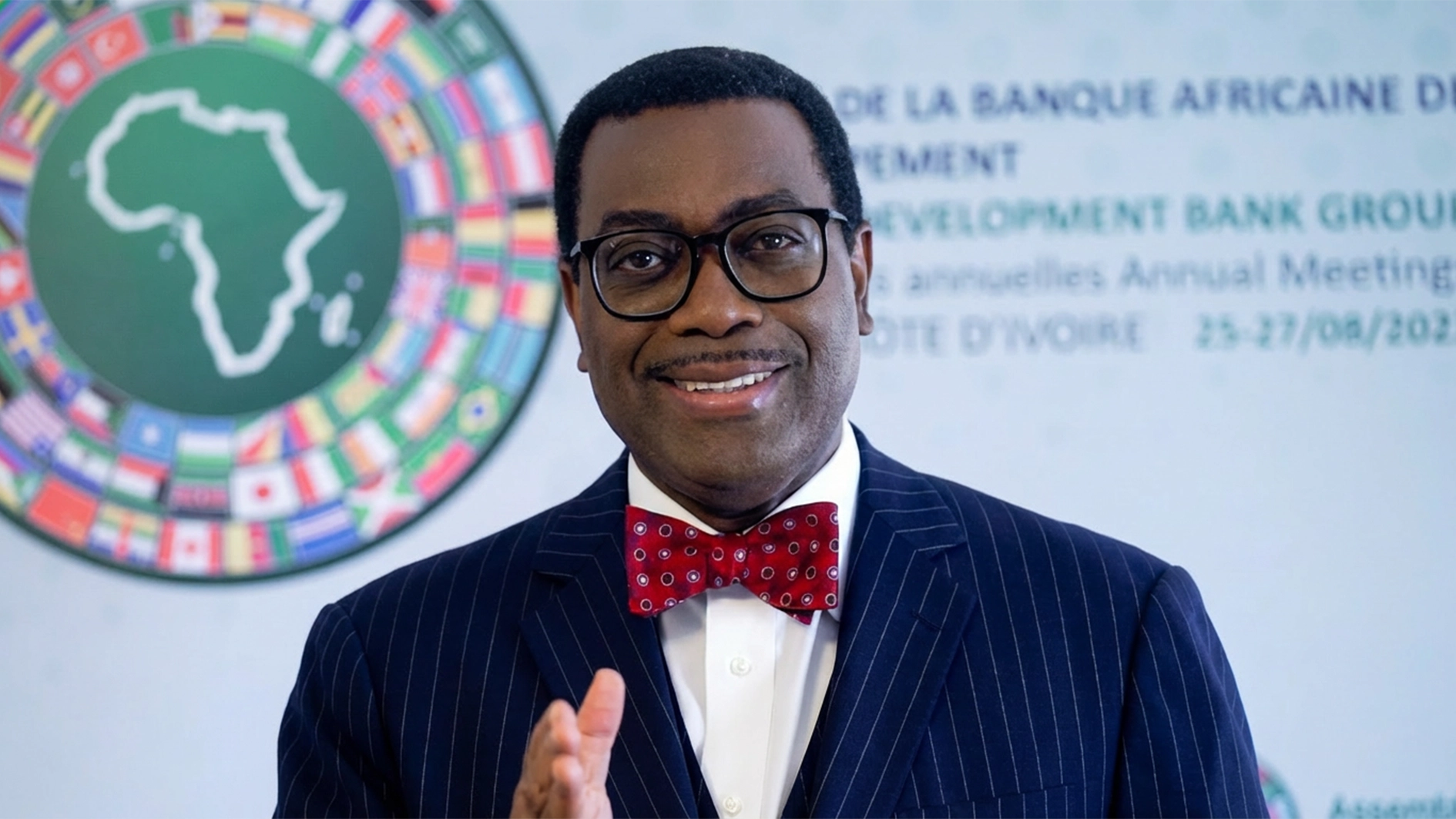
Former President of the African Development Bank (AfDB), Dr Akinwumi Adesina, has called on President Bola Tinubu to lead a continental initiative to mobilise $50 billion for the development of Africa’s space economy.
Adesina also called on Presidents Paul Kagame of Rwanda and Abdel Fattah el-Sisi of Egypt to provide political leadership for the proposed initiative.
He made the call while delivering a keynote address titled, “Financing Africa’s Space Future: Mobilising Capital for Space Science, Innovation and Technology,” at the Africa Space Economy, Innovation and Communication Conference in Abuja.
The conference was organised by the Nigerian Space Research and Development Agency (NASRDA).
Adesina, who is Chairman of the Global Africa Investment Summit, said Africa’s commercial space industry was emerging, with 321 active commercial space companies across 36 countries generating approximately $373 million in revenue in 2024.
He, however, expressed concern that the continent’s investment in the sector remained inadequate compared with global space powers.
According to him, the United States’ National Aeronautics and Space Administration (NASA) received approximately $24.4 billion in funding in 2026, while Africa’s combined government allocation to space programmes stood at about $828 million.
He said the disparity highlighted the enormous investment gap confronting Africa and the need for coordinated efforts to build the infrastructure, research and technological capabilities required to compete in the global space economy.
Adesina proposed the establishment of a $50 billion Africa Space Future Fund, with an initial capitalisation target of $5 billion and a long-term ambition to mobilise the investment over 10 to 15 years.
He said the fund would attract investments from African governments, sovereign wealth funds, development finance institutions, pension funds, insurance companies, private investors, international partners and the African diaspora.
The proposed fund would focus on commercial space infrastructure, scientific research and innovation, including satellite communications, Earth observation, broadband connectivity, artificial intelligence, robotics and satellite component manufacturing.
Adesina said the initiative would also promote African ownership, technology transfer, intellectual property development and local manufacturing to ensure that the continent benefits from the economic opportunities in the global space industry.
He stressed that the fund must operate under independent governance, professional investment management and transparent accountability.
“This is not a request for charity. It is an investment proposition,” he said.
The former AfDB president commended Tinubu for approving four new Nigerian satellites, describing the decision as evidence of the administration’s recognition of science, technology and innovation as drivers of economic transformation.
“I particularly commend your commitment to Nigeria’s space programme. Your approval of four new Nigerian satellites sends a powerful message. It demonstrates your conviction that science, technology and innovation must drive our economic transformation,” he said.
He urged Tinubu, Kagame and el-Sisi to convene a Founding Presidential Summit on Financing Africa’s Space Future to secure political endorsement, mobilise initial investments and establish an institutional framework for the initiative.
He also proposed a high-level continental task force, working with the African Union and the African Space Agency, to develop the legal, institutional and financial framework for the fund and prepare a roadmap for raising the initial $5 billion.
Adesina further proposed Africa Link, a continental satellite connectivity programme, as the flagship initiative of the fund.
He said the programme would aggregate demand across African markets, develop shared ground infrastructure and establish partnerships with international satellite operators to expand affordable and reliable satellite connectivity.
He, however, warned against excessive dependence on foreign-owned satellite networks, stressing the need for technology transfer and greater African participation in satellite operations and management.
“We must move from renting the infrastructure of the digital future to owning a meaningful share of it,” he said.
Adesina said space technology offered significant opportunities in agriculture, food security, telecommunications, climate resilience, disaster management, infrastructure development and natural resource management.
Recalling his experience as Nigeria’s Minister of Agriculture in 2012, he explained how satellite imagery, remote sensing and vegetation data helped the government assess the impact of devastating floods and develop a dry-season agricultural programme to avert a predicted food crisis.
He called for a transition from fragmented national space programmes to an integrated continental space economy, where African countries pool resources, develop complementary capabilities and share infrastructure.
He also urged African countries to invest in satellite manufacturing, communication equipment, sensors, artificial intelligence, robotics, software development and data analytics to build indigenous technological capabilities.
To finance the transformation, he advocated blended finance, African Space Bonds, public-private partnerships, venture capital and international development finance.
Adesina said public investment should be strategically deployed to attract private capital, while long-term contracts for agricultural monitoring, disaster management and connectivity could provide sustainable revenue for investors.
In a direct appeal to Tinubu, he urged the President to extend his ambition to building a $1 trillion Nigerian economy to Africa’s space development.
“Mr President, like John F. Kennedy, dare to dream big.
“Mr President, you conquered the Atlantic! With your vision and boldness, why stop there? Now, Mr President, conquer space!” he said.
Adesina expressed optimism that an African would one day walk on the Moon, adding that he hoped the historic achievement would be made by a Nigerian.
He said sustained investment in universities, scientific research institutions, young innovators and technological infrastructure was necessary to build a globally competitive African space industry.