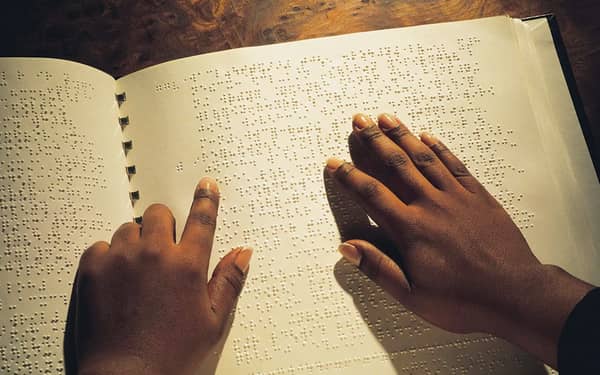
The Nigerian Copyright Commission (NCC) has renewed its commitment to a copyright system that is fair, balanced, and humane; one in which authors are protected, rights are respected, and learning materials are accessible to a growing number of blind and print-disabled persons.
Making this known was the Director-General of the commission, Dr. John Asein, on the occasion of the World Braille Day, which held on January 4, 2026.
He said, “it is in this same spirit of optimism, solidarity, and inclusion that the Commission joins the international community to commemorate World Braille Day 2026, a day dedicated to celebrating Braille as one of humanity’s most transformative innovations for literacy, independence, and dignity.”
While noting that braille has enabled blind and visually impaired persons to access knowledge, participate meaningfully in education, and live with dignity, Asein said this year’s focus on inclusion, the bridging of digital divides, and the advancement of accessibility in education resonates deeply with the Commission’s long-standing advocacy.
Under the banner ‘Let the Blind Read’, “we reaffirm our belief that the copyright system must serve not only creators and markets, but also learners, students, and readers with print disabilities. “As we have consistently emphasised, access to knowledge is a right, not a privilege,” Asein said, “the reality in Nigeria remains deeply troubling. Available studies indicate that less than one per cent of published materials in the country are available in accessible formats such as Braille, audio, or digital text compatible with screen-reading technologies.”
According to him, “this acute ‘book famine’ mirrors broader challenges across much of the developing world and exposes the systemic barriers confronting blind and visually impaired persons. The Commission is therefore again drawing attention to the fact that the cost of inaccessibility is not merely social exclusion, but long-term harm to education, employment prospects and the inclusion of the print disabled in the broader national development agenda.
“It is against this backdrop that the Copyright Act, 2022 assumes particular significance. The Act marks a decisive transition from charity-based access to a rights-based framework for inclusion. Through section 26, Nigeria has domesticated the Marrakesh Treaty, expressly permitting the reproduction, distribution, and cross-border exchange of works in accessible formats for persons with print disabilities. Importantly, the Act also establishes safe-harbour protections for Authorised Entities, recognising that access must be enabled lawfully, responsibly, and in a manner that builds trust throughout the book value chain.”
In furtherance of this statutory mandate, the Commission has issued new guidelines to strengthen the safe-harbour regime. These guidelines provide much-needed clarity, transparency, and safeguards for the production and dissemination of accessible-format copies. We are confident that they will encourage broader institutional participation, rebuild confidence among rights holders and intermediaries, and substantially increase the availability of books in Braille and other accessible formats. “This regulatory effort will be complemented by sustained advocacy, awareness-raising and capacity-building initiatives targeting publishers, libraries, educational institutions and other concerned stakeholders.”