

 Get Guardian on Google
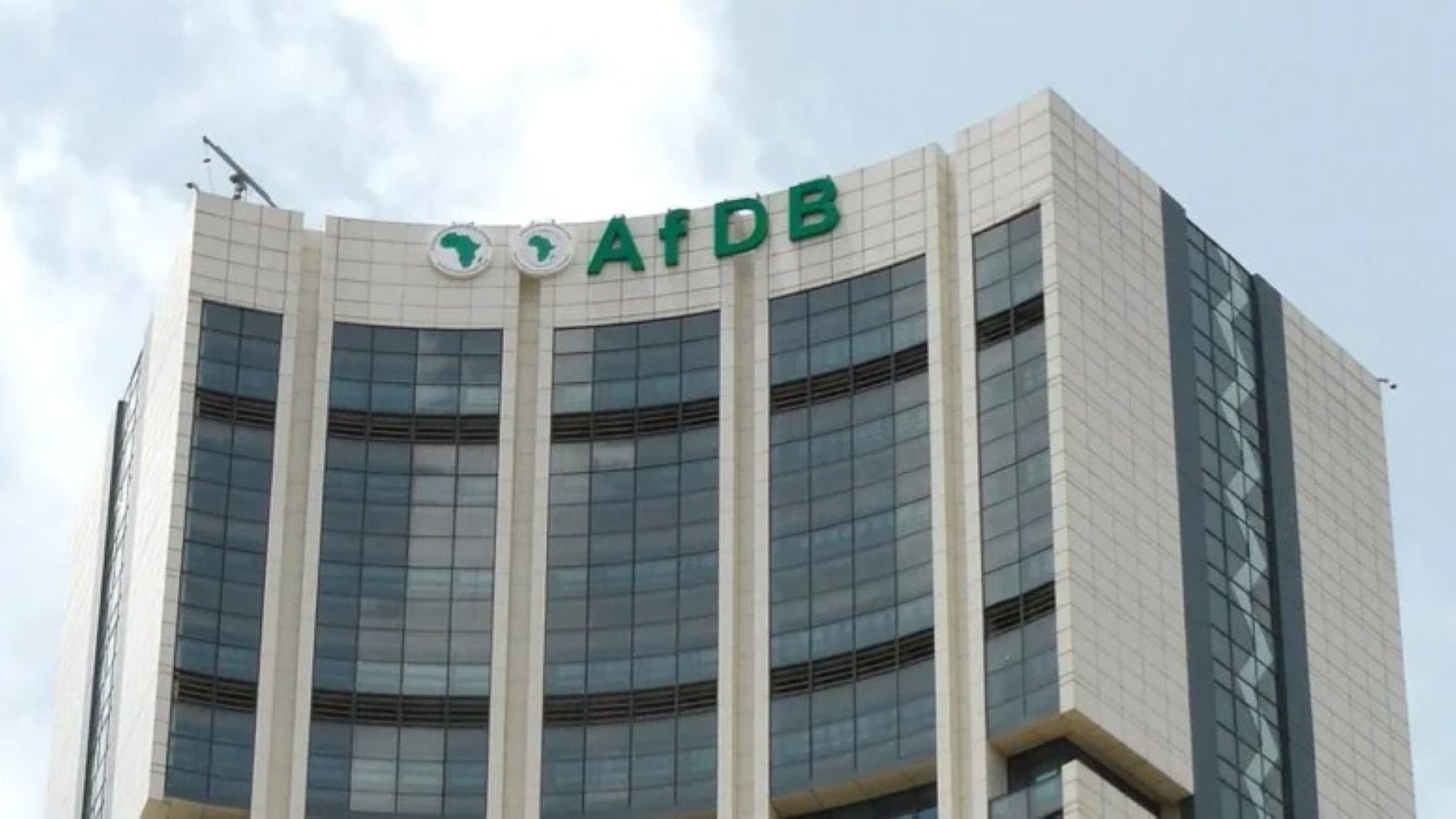
The African Development Bank (AfDB) and France’s development agency, Agence Française de Développement (AFD), have signed a five-year agreement to increase joint financing of infrastructure projects across Africa, with a focus on energy, transport, water and industrial development.
The memorandum of understanding (MoU), covering 2026 to 2031, was signed on November 10 on the sidelines of the Paris Peace Forum, according to a statement by the AfDB.
The agreement builds on an existing partnership under which the two institutions have co-financed 17 projects in 14 African countries since 2021, with the energy sector accounting for nearly half of the funding.
AFD has also committed €1 billion to Mission 300, a joint initiative of the AfDB and World Bank aimed at connecting 300 million additional people in sub-Saharan Africa to electricity by 2030.
Under the new agreement, both institutions will jointly identify and assess projects, while combining financing with technical assistance, project preparation and policy support to increase the number of projects ready for investment.
They will also explore blended finance, guarantees and carbon finance to attract additional public and private investment into infrastructure development.
The priority sectors include energy, transport, water, regional connectivity, agriculture, industry, critical minerals and digital infrastructure, with particular attention to creating jobs for women and young people.
AfDB President, Dr Sidi Ould Tah, said the partnership would help channel more capital into infrastructure, strengthen African value chains and create employment opportunities for young people.
AFD Chief Executive Officer, Christophe Lecourtier, said the agreement would support strategic projects in energy and transport, as well as industrial development across the continent.
Existing joint investments include Qair solar plants in Chad, with a combined capacity of 30 megawatts peak, and the 88-megawatt Kakono hydropower project in Tanzania.
The institutions are also providing complementary financing for three regional transport corridors: Abidjan-Lagos, Abidjan-Ouagadougou and Lobito.
In Nigeria, the two development finance institutions are co-financing the Investment in Digital and Creative Enterprises programme, which supports businesses in the country’s digital and creative sectors.
The AfDB has also extended significant financing to Nigerian institutions and the Federal Government. In May, it approved $200 million for the Bank of Industry and $61 million for the Development Bank of Nigeria. In November 2025, it approved a $500 million loan to the Federal Government.







