 Follow Us on Google News


 Follow Us on Google Discover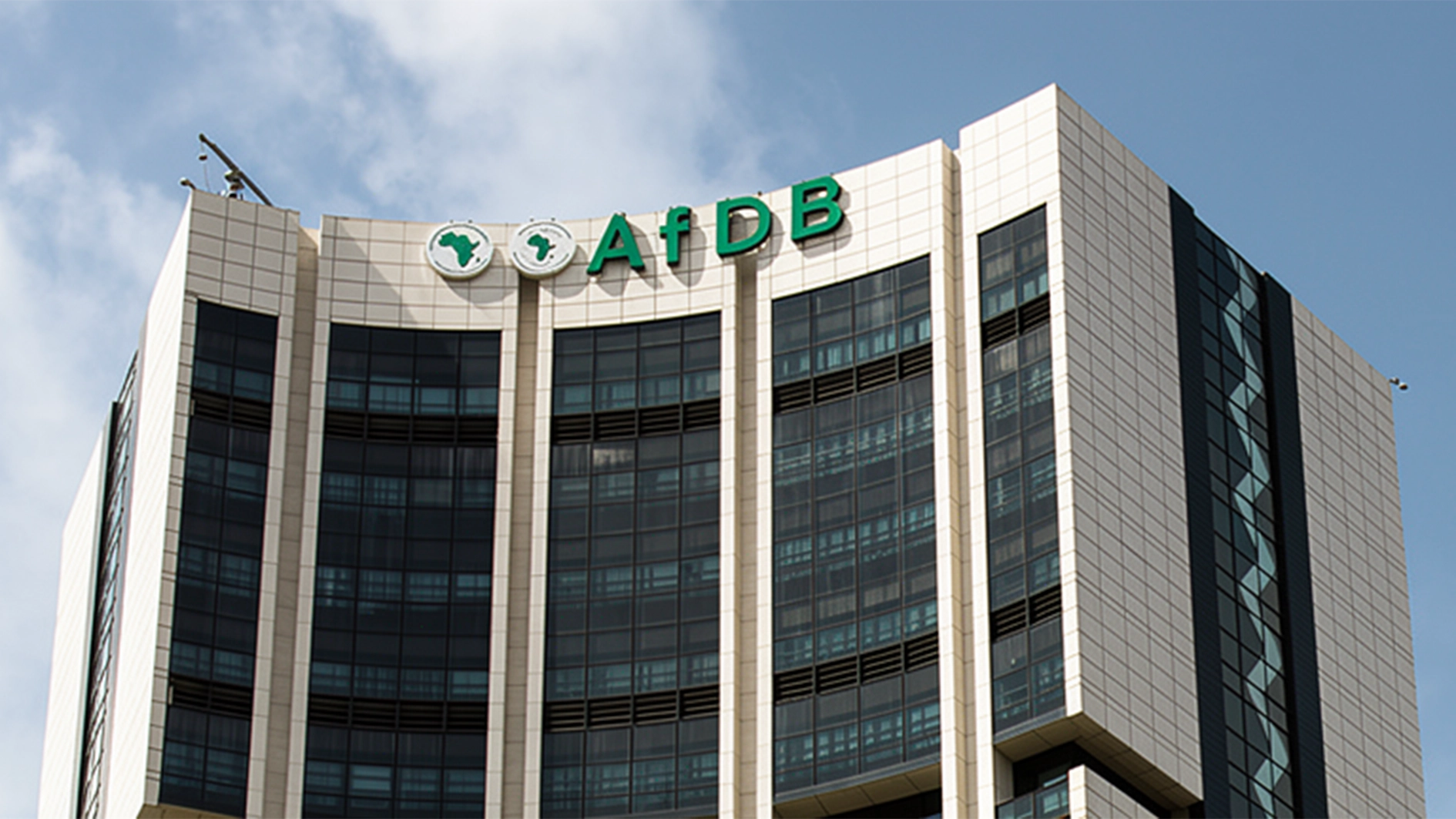
Nigeria and the African Development Bank (AfDB), on Sunday, called for stronger African ownership of the continent’s vast mineral resources and advocated greater data sovereignty, regional collaboration and strategic financing to ensure Africa derives more economic value from its natural assets.
They spoke at the Ministerial Forum on Critical Minerals, Value Chain and Beneficiation: Pathways for African Transformation, organised by the African Development Bank in Abidjan, Côte d’Ivoire.
Speaking at the forum, the Minister of Solid Minerals Development, Dr. Dele Alake, urged countries to embrace data sovereignty, regional collaboration and strategic financing to ensure mineral wealth translates into sustainable economic growth across Africa.
Alake urged ministers from Africa’s mineral-producing nations to pursue greater regional cooperation rather than isolated national strategies, arguing that coordinated action would enable the continent to derive greater value from its abundant mineral resources.
Alake said Africa must move beyond exporting raw minerals and adopt practical measures to secure full control of its natural assets through value addition and local processing.
He said: “While the mantra of value addition has ushered in an era of economic independence for mineral-producing nations, we need concrete actionable strategies to take charge and be in full control of our natural assets to ensure total economic freedom.”

The minister, who chairs the Africa Mineral Strategy Group (AMSG), said Nigeria had continued to champion a common continental agenda on mineral development through collaboration with more than 30 member countries focused on promoting value addition.
He also advocated greater African control over mineral resource data, describing the continent’s long-standing dependence on the Australia-based Joint Ore Reserves Committee (JORC) reporting standard as outdated.
Alake added, “For the overall interest of the continent, and to efficiently and effectively safeguard its resources, Africa should take charge of the coding mechanisms utilised to assess its mineral assets.”
He urged African countries to adopt the Pan African Resource Reporting Code (PARC), developed by the Africa Minerals Development Centre (AMDC), saying the framework would promote transparency, consistency and ethical reporting while reflecting Africa’s unique geological and environmental realities.
Alake further proposed the establishment of a West African minerals processing hub and corridor stretching from Lagos to Dakar, modelled after the Lobito Corridor, to reduce infrastructure costs, encourage collaborative investment and enable participating countries to specialise in processing specific minerals.
According to him, the regional model would lower financial burdens on individual countries while promoting shared risks, increased trade and stronger value chains.
He also lamented the low level of intra-African trade, which he said stands at about 16 per cent, compared to roughly 60 per cent in Asia and 70 per cent in Europe.
In his remarks, AfDB President Dr. Sidi Ould Tah, described Africa’s mineral sector as a paradox, noting that despite the continent’s vast mineral endowment, it has yet to achieve corresponding gains in Gross Domestic Product (GDP) or attract sufficient Foreign Direct Investment (FDI).
Tah said Africa must overcome the disconnect between its enormous natural wealth and its limited global economic influence by strengthening financing mechanisms and developing integrated mineral value chains.
The forum concluded with the adoption of the Abidjan Declaration, which commits African countries to coordinate policies on critical minerals, regional infrastructure development, value-chain expansion and capital mobilisation.
Under the declaration, the African Development Bank pledged to deploy its financing instruments, technical expertise and capital mobilisation capacity to support mineral-producing countries, reduce investment risks, finance strategic infrastructure and accelerate the development of competitive and sustainable mineral value chains.
A statement by the Special Assistant on Media to the Minister of Solid Minerals Development, Lara Owoeye-Wise, said the declaration also urged African countries to strengthen national and regional capacities capable of attracting investment, financing viable projects and creating quality jobs through local value addition.
The forum brought together more than 20 ministers responsible for mining, energy, industry, natural resources and the green economy, alongside representatives of the African Development Bank, the African Export-Import Bank (Afreximbank), the U.S. Export-Import Bank and mining companies from Germany, Canada and the United States.
Participants reaffirmed that stronger African cooperation, regional processing infrastructure, strategic financing and greater control over mineral resources remain essential to transforming the continent’s mineral wealth into broad-based and sustainable economic development.

