
 Get Guardian on Google
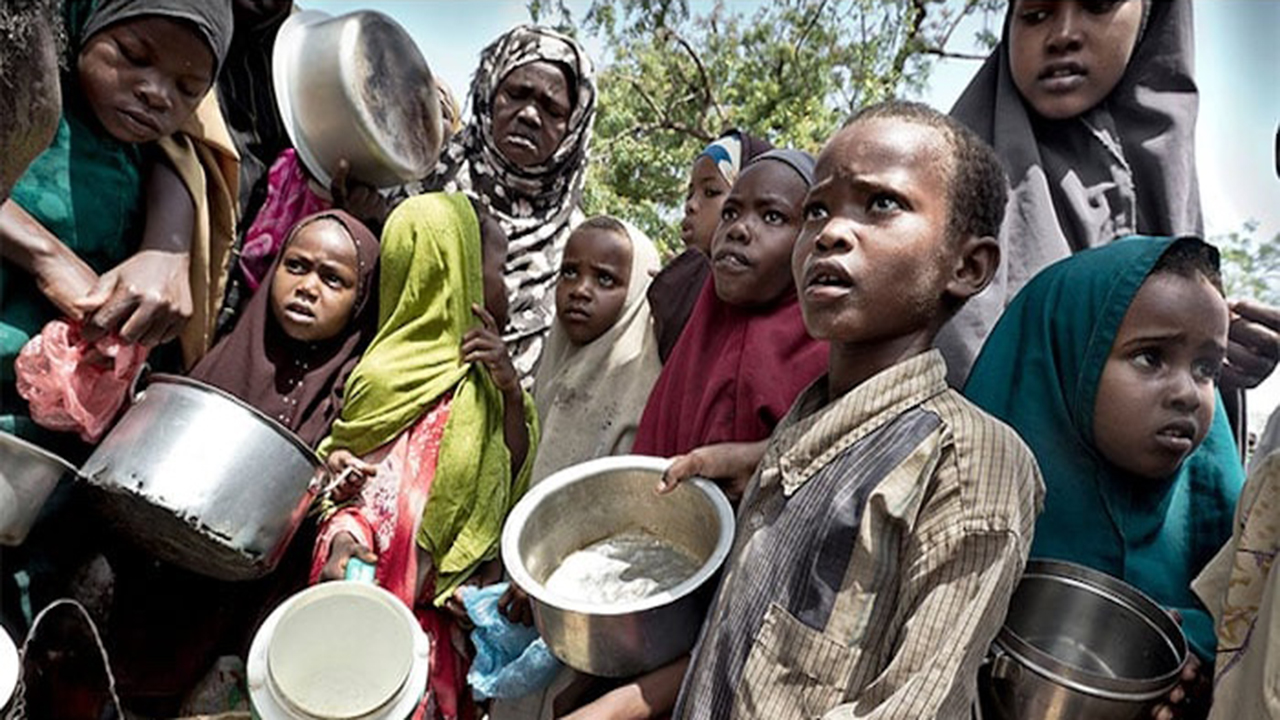
Nigeria’s food security challenge remains a major economic concern, with 36.29 million people facing crisis-level or worse food insecurity, even as prices of major staples such as maize and rice recorded declines in October, according to the latest Food Security Monitor of the Alliance for a Green Revolution in Africa (AGRA).
The October 2026 edition of the report showed that Nigeria continued to have the largest absolute number of people experiencing IPC/CH Phase 3 or worse food insecurity among the 17 African countries monitored. The figure represents about 16.65 per cent of the population covered by the assessment and remained unchanged from September.
For businesses operating across Nigeria’s agricultural value chain, the development highlights the gap between improvements in commodity availability and the ability of households to afford food.
AGRA’s latest data, however, showed some easing in commodity prices. Nigeria’s average maize price fell 7 per cent month-on-month in October to $247 per metric tonne, from $267 in September, while rice prices declined by 11 per cent to $336 per tonne, from $376.
The decline in rice and maize prices could provide some relief for consumers, food processors and traders, but AGRA’s assessment suggests that the improvement has yet to translate into a broad reduction in severe food insecurity.
The report said food security conditions across West Africa remain heavily influenced by conflict, insecurity, climatic shocks and high food prices, with Emergency conditions persisting in parts of northeastern Nigeria. Crisis conditions are also expected to continue through early 2027 in insecure areas of northern Nigeria.
For Nigeria’s agribusiness sector, the situation presents both a risk and an investment opportunity.
Persistent food insecurity is likely to sustain demand for investments that can raise agricultural productivity, improve storage and processing, and reduce the cost of moving food from farms to consumers.
The challenge is particularly significant for businesses dependent on predictable agricultural supplies. Disruptions caused by insecurity can prevent farmers from accessing farmland, interrupt commodity flows and increase the cost of aggregation and distribution.
AGRA also highlighted continuing concerns over fertiliser affordability. Although fertiliser markets in West Africa were relatively more stable than those in some other parts of Africa, elevated input costs remain a threat to farmers’ production decisions and future yields.
A prolonged period of high input costs could encourage farmers to reduce fertiliser application or move towards less input-intensive crops, potentially weakening productivity and food supplies over time.
For Nigeria, this places greater importance on investment in fertiliser supply, irrigation, mechanisation, improved seeds, storage, processing and logistics as businesses seek to build more resilient food value chains.
The country’s large consumer market also creates opportunities for companies capable of connecting farmers with processors, retailers and export markets.
The report also identified developments in Nigeria’s trade infrastructure that could improve opportunities for agricultural businesses.
Nigeria has reduced the processing time for AfCFTA Certificates of Origin from more than five days to 24 hours through digitisation and automation of registration, verification and certification procedures.
The country has also resolved eight non-tariff barrier cases and advanced initiatives aimed at improving participation in the African Continental Free Trade Area.
The faster certification process could reduce administrative delays for Nigerian companies seeking preferential access to African markets, particularly businesses trading processed foods, agricultural commodities and other products that meet AfCFTA rules of origin.
This could become increasingly important as Nigerian agribusinesses look beyond the domestic market to diversify revenue and expand regional trade.
The report further noted that Afreximbank and the Africa Trading and Distribution Company signed a $500 million global credit facility in September to strengthen trade, logistics and distribution networks, with initial operations including Nigeria. The facility is expected to support aggregation, transportation, warehousing, market access and local value addition.
For Nigerian businesses, improved access to trade finance and logistics infrastructure could help address some of the structural constraints that have limited the competitiveness of agricultural products.
Food security still a business risk
The October figures also underline the scale of the market that Nigeria’s agricultural sector must serve.
Nigeria’s 36.29 million people facing Crisis-level or worse food insecurity are part of a wider challenge involving household purchasing power, food prices, production and market access. AGRA’s figures show that Nigeria’s absolute burden remains substantially higher than that of other monitored African countries.
Other indicators point to continued pressure. The Food and Agriculture Organisation has warned that elevated fuel and transportation costs, together with insecurity and localised weather disruptions, are affecting food production and market access in Nigeria.
The business implication is that simply increasing production may not be enough. Investment will also be required in the infrastructure linking farmers to markets, processors to raw materials and consumers to affordable food.
As Nigeria enters the next agricultural cycle, the combination of lower October staple prices and persistent mass food insecurity presents a mixed picture. The price declines provide an encouraging signal for consumers and food businesses, but the unchanged number of severely food-insecure Nigerians indicates that the underlying structural challenges remain unresolved.
For investors, therefore, Nigeria’s food market offers substantial commercial potential, but returns will increasingly depend on the ability to solve problems around productivity, security, financing, storage, transportation and regional market access.
The latest AGRA report effectively places food security at the centre of Nigeria’s wider economic agenda: strengthening agricultural value chains is not only a social imperative but also a major opportunity for private-sector investment and regional trade.