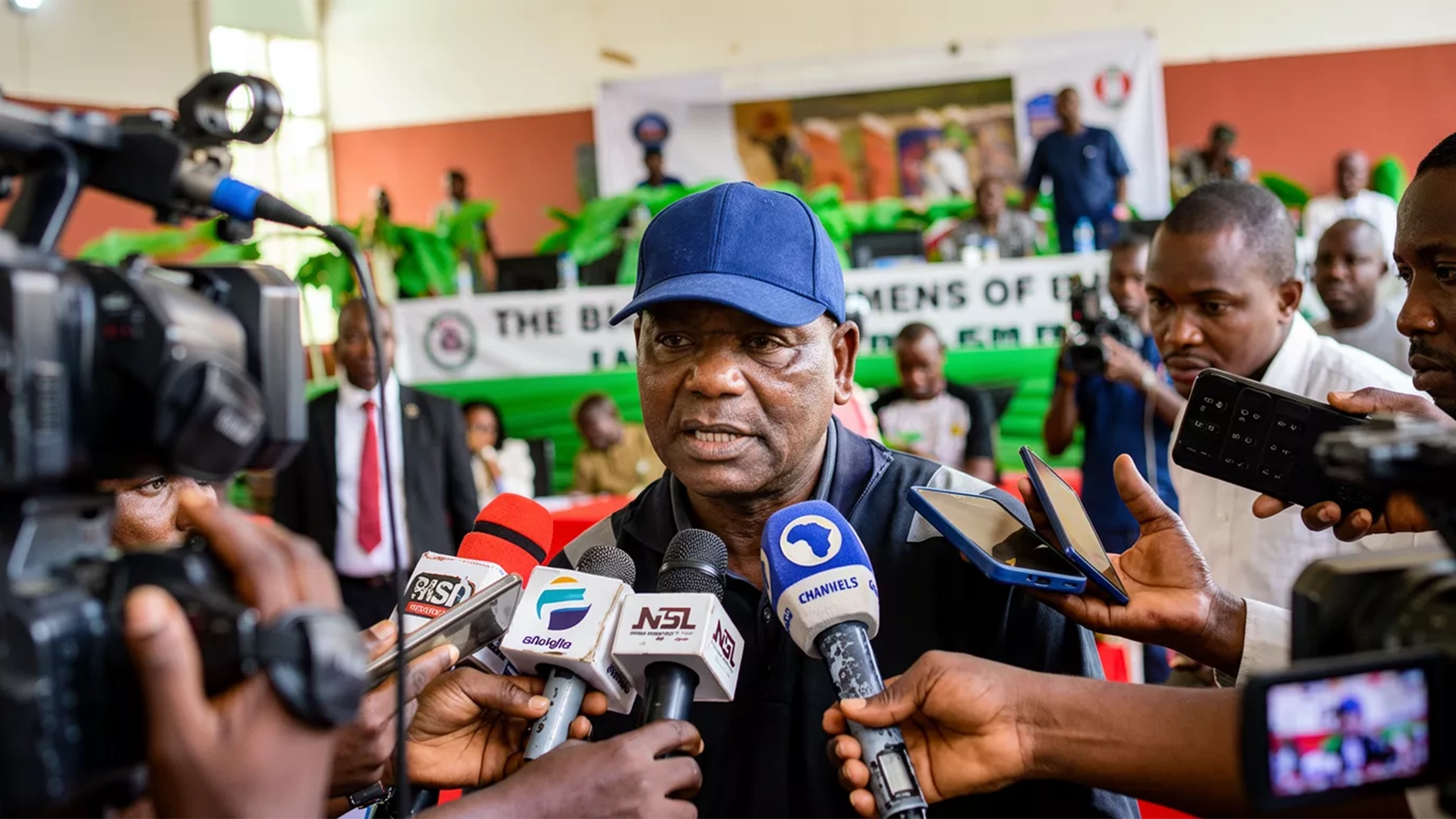
In a bid to address restrictive access to financial instruments, examine practical climate finance pathways and unlock climate adaptation funding for rural women farmers across Nigeria, the International Centre for Environmental Health and Development (ICEHD) has convened a high-level civil society organisations/non-governmental organisations (CSOs/NGOs) Climate Finance Workshop under the theme “Exploring Financial Resourcing for Women Farmers in Nigeria.”
The workshop, held in Lagos, brought together 52 key stakeholders from CSOs, NGOs government institutions, women farmers’ groups, financial actors and climate advocates.
Convened under ICEHD’s flagship project, “Grassroots-Driven Climate Action by Rural Women Farmers in Nigeria,” the gathering was designed to critically evaluate climate financing barriers faced by women farmers, identify accessible and context-appropriate financing mechanisms and propose actionable solutions for strengthening climate resilience and economic empowerment within farming communities.
Central to the discussions was how Nigeria can unlock accessible, inclusive and gender-responsive climate finance for rural women farmers.
The programme commenced with welcome remarks and participants introductions facilitated by Oloruntosin Taiwo, followed by a project overview outlining ICEHD’s work on strengthening women’s climate resilience.
Delivering the keynote address, Head, Climate Change and Environmental Planning Department, Lagos State Ministry of Environment and Water Resources, Michael Omoniyi Bankole, highlighted state-level climate priorities, policy directions and the urgent need to integrate gender-responsive financing into climate adaptation planning.
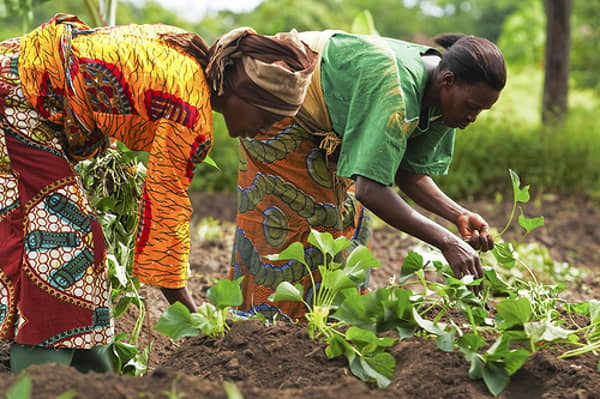
Programme Officer, ICEHD, Oluwadara Victor Adewoye, delivered a detailed presentation of findings from ICEHD’s direct engagement with rural women farmers. His presentation spotlighted the lived realities of women farmers, including climate shocks, drought-induced herder intrusion and conflicts, food insecurity, declining yields, shrinking profits, poor market access, financial exclusion, lack of documentation and the often-overlooked impact of gender-based violence (GBV) on livelihoods and well-being.
Key thematic areas explored during the workshop included gender, land ownership and control of productive resources; global best practices in accessing climate finance; domestic climate financing pathways for women farmers in Nigeria; market integration strategies to improve loan readiness and risk management tools, insurance-backed financing, blended finance models and concessional lending.
Others include the role of CSOs in proposal development, consortium building and policy advocacy, as well as how to transition from grassroots activism to strategic policy influence.
The participants engaged in plenary discussions and group sessions that examined existing climate finance mechanisms available to women farmers, documentation and land tenure challenges and strategies for improving financial literacy and access to funding.
Financing mechanisms discussed by the lead resource person for the Climate Finance session, Titilope Gbemisola Akosa, included the Global Environment Facility (GEF) Small Grants Programme, the Adaptation Fund and concessional lending windows from financial institutions such as Access Bank, FCMB and Bank of Industry (BoI). Insurance-backed risk pooling and blended finance models were also identified as promising tools for de-risking agricultural investments for women farmers.
The workshop further emphasised the importance of multi-sector collaboration across agriculture, finance, civil society, government and insurance sectors to scale climate finance and enhance the resilience of women farmers.
Major gaps identified included land ownership restrictions, low literacy in documentation, limited fundraising capacity and an inadequate understanding of climate finance mechanisms. Participants agreed on essential steps such as improving access to land documentation, strengthening business registration processes, enhancing collaborative proposal writing and building strong CSO-led consortiums.