 Follow Us on Google News



 Follow Us on Google Discover
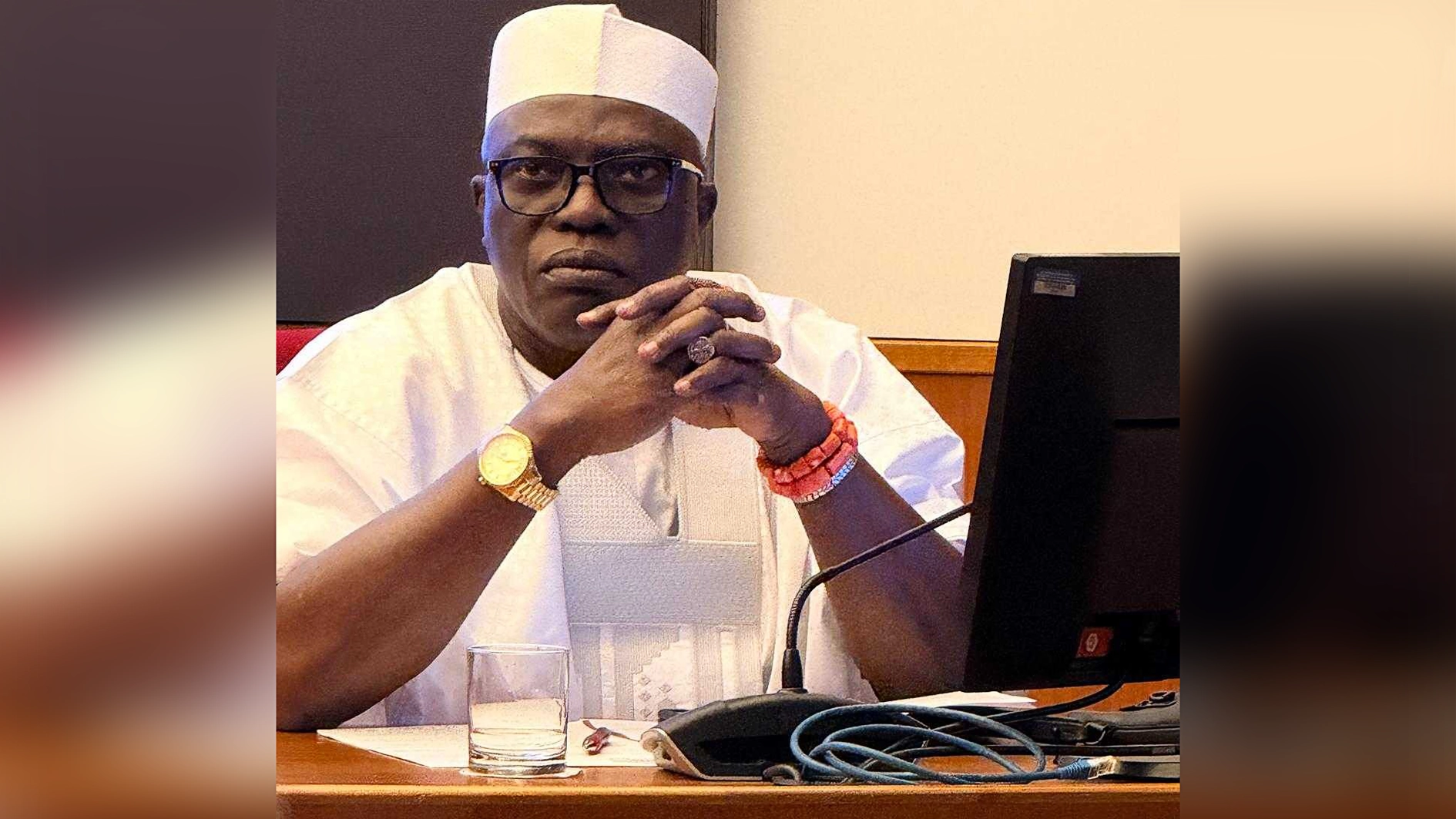
***Cites cocoa industry, demands local manufacturing, jobs, economic justice
Senator Neda Bernards Imasuen has challenged world leaders to confront inequalities in global trade, warning that resource-rich countries must not remain trapped in exporting raw materials while importing finished products at higher prices.
Imasuen, who represents Edo South Senatorial District, said international economic relations must be guided by fairness and human dignity, arguing that trade arrangements that deny producing nations a fair share of the value they create could worsen poverty, unemployment, illegal migration and human trafficking.
The senator made the call while addressing the Golden Rule Summit in Rome, Italy, held from October 19 to 22, 2026, where he urged world leaders to apply the principle of treating others as they would wish to be treated to international commerce and economic policymaking.
“Should that same principle not apply to how nations conduct business with one another?” he asked.
Using Nigeria’s cocoa industry to illustrate his argument, Imasuen questioned why the country exports cocoa beans to developed economies only to import finished products, including chocolate, at significantly higher prices.
He argued that expanding domestic processing and manufacturing would enable Nigeria to retain more of the value generated from its natural resources, create employment and improve the living conditions of its citizens.
“How would the benefits of this economic relationship be shared more equitably if a chocolate factory were established in Osun or Edo State?” he asked.
For Imasuen, the question goes beyond chocolate production. It touches on who benefits from global commerce, where jobs are created and whether resource-producing countries can translate their natural wealth into prosperity for their populations.
He linked the absence of sufficient local industrial opportunities to the wider challenges of unemployment, migration and human trafficking, arguing that stronger domestic production could help expand economic opportunities.
The senator, however, cautioned against using international trade imbalances to excuse failures of domestic leadership, stressing the need to examine both the responsibilities of national governments and the fairness of the wider global economic system.
He challenged developed economies to consider whether they would accept similar arrangements if their own countries were consistently exporting raw materials while importing more expensive finished goods.
Student Loans, Tax Reforms and Local Production
Turning to Nigeria’s domestic policies, Imasuen highlighted the student loan scheme and recent tax reforms as examples of measures intended to widen economic participation.
He said the student loan scheme provides eligible students with access to funding for education and upkeep, with repayment tied to graduation and gainful employment.
He also cited tax provisions offering relief to eligible businesses, particularly small and medium-sized enterprises, arguing that a supportive tax environment could strengthen local entrepreneurship and expand economic activity.
Imasuen further pointed to the Dangote Refinery as an example of large-scale domestic industrial investment, saying the expansion of local productive capacity was important to reducing economic dependence and retaining more value within Nigeria.
He called for stronger cooperation between government and the private sector to promote industrial development, generate employment and ensure that economic growth translates into tangible benefits for ordinary citizens.
The senator also emphasised the need for skills development and job creation as part of efforts to address illegal migration and human trafficking, noting that economic hardship and limited opportunities can leave people vulnerable to exploitation.

‘Human Dignity Must Guide Economic Decisions’
Beyond trade and industrial development, Imasuen urged governments to place human rights and human dignity at the centre of legislation and public policy.
Drawing on the Four-Way Test of Rotary International, of which he is a member, he urged individuals, governments and nations to assess their decisions against four questions: Is it the truth? Is it fair to all concerned? Will it build goodwill and better friendships? Will it be beneficial to all concerned?
He argued that applying these principles to relations between citizens and governments, as well as between countries, would give practical meaning to the Golden Rule.
Imasuen concluded by challenging world leaders to reconsider economic arrangements that perpetuate inequality and deny communities the full benefits of their resources and productive potential.
“If we would not accept inequality for our own communities, why should we accept it as an enduring feature of the global economic order?” he asked.
Imasuen chairs the Senate Committee on Ethics, Code of Conduct and Public Petitions.
His address at the Rome summit placed economic justice, domestic industrialisation and human dignity at the centre of his appeal for a fairer global trading system.

